Key Takeaways
- A dofollow link is informal SEO terminology for a standard hyperlink without nofollow, sponsored, or ugc relationship attributes.
- Standard links can support URL discovery, relationship understanding, anchor-text interpretation, and link analysis, benefiting internal linking and backlinks.
- Dofollow does not guarantee rankings or transfer a fixed amount of authority, and search engines determine how links contribute.
- Use standard links for relevant editorial, navigational, and internal purposes, while paid, user-generated, or unendorsed links need appropriate rel values.
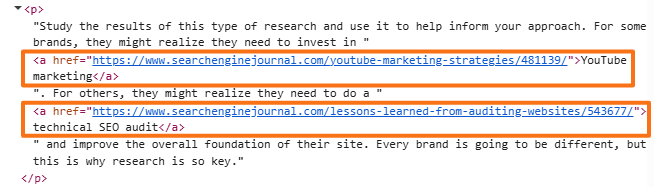
A dofollow link is informal SEO terminology for a standard hyperlink that search engines can normally crawl and consider when evaluating the relationship between the linking page and the destination page. It does not require a special dofollow HTML attribute.
A standard link can look like this:
<a href="https://www.example.com">Example</a>Because no nofollow, sponsored, or ugc relationship has been added, SEO professionals commonly describe this as a dofollow link.
Standard links can help search engines discover URLs, understand relationships between pages, interpret anchor-text context, and evaluate links through systems such as Google’s PageRank. They are therefore important for both internal linking and backlinks.
A dofollow link does not automatically transfer a fixed amount of “authority” or guarantee higher rankings. More importantly, not every hyperlink on the web is a standard “dofollow” link. Although a normal HTML link begins without these qualifying attributes, websites, social platforms, forums, and content management systems may add attributes such as nofollow, sponsored, or ugc by default for outbound links.
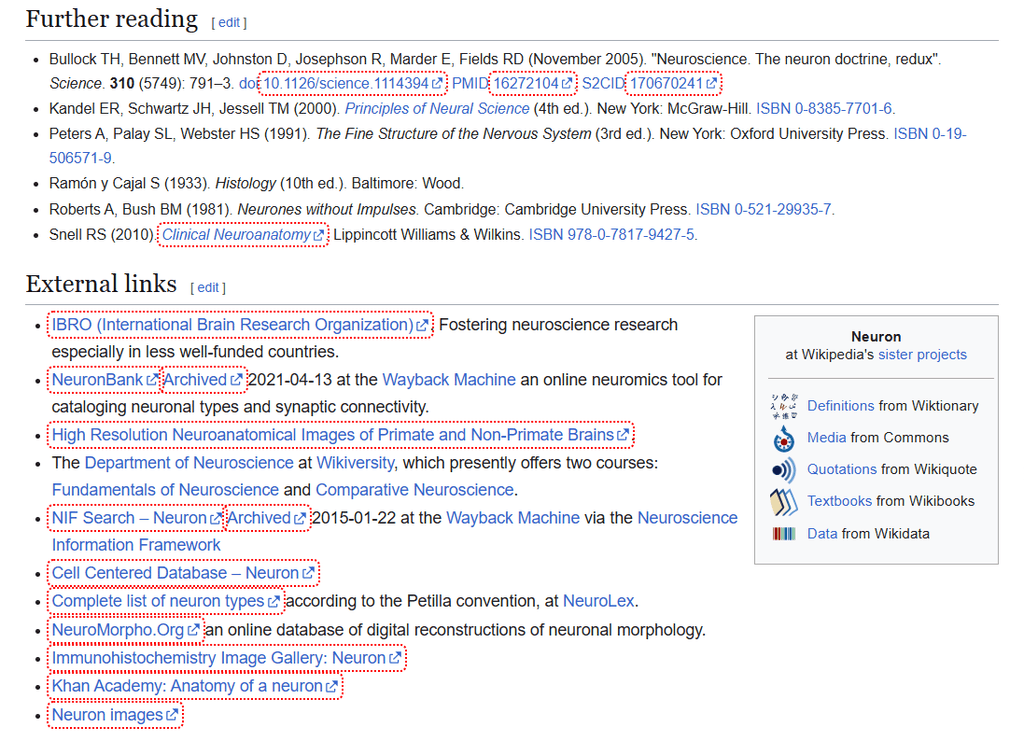
nofollow link attribute (Source: Wikipedia)Dofollow vs. Nofollow: Direct Comparison
The main difference between dofollow and nofollow links lies in how the publisher qualifies the relationship with the destination page.
dofollow attribute is required
rel="nofollow"
nofollow as a hint rather than an absolute ranking directive
The nofollow value is not part of a standard link by default. It can be added to an individual link by the publisher, CMS, platform, or plugin, or applied more broadly through page-level robots directives.
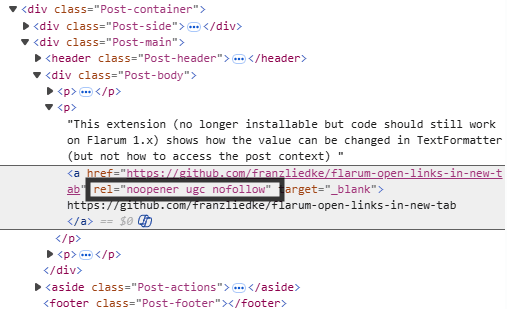
rel="noopener ugc nofollow"Nofollow, Sponsored, and UGC
rel="nofollow", rel="sponsored", and rel="ugc" are separate relationship values. Google recommends sponsored for paid or compensated links and ugc for links appearing in user-generated content such as user comments, forum discussions, and community posts.
nofollow can be used when the other values do not apply and the publisher does not want Google to associate the site normally with the linked page.
Google historically treated nofollow more strictly, but its treatment has since changed. Google now treats nofollow, sponsored, and ugc as hints for ranking purposes. Since March 2020, nofollow has also been treated as a hint for crawling and indexing.
Where to Use Dofollow, Nofollow, Sponsored, and UGC Links
Normal links are appropriate for most editorial and navigational purposes, while specific rel values should be used when the relationship between the websites requires additional qualification.
Where Standard Dofollow Links Are Appropriate
- Editorial Citations: A normal link can be used when citing a trustworthy study, report, organization, expert resource, or other source that genuinely supports the content.
- Internal Navigation: Important internal links should normally remain standard crawlable links. They help visitors and search engines move between related pages and understand website structure.
- Official Social Profiles: A company’s own links to legitimate social profiles do not normally need
nofollowsimply because they point to another platform. - Curated Resource Pages: Useful tools, websites, organizations, and reference materials selected because they benefit readers can normally receive standard links.
- Earned PR Mentions: A journalist or publication may choose to provide a standard backlink when citing a company, expert, study, or resource.
For incoming backlinks, the receiving website generally does not control whether another publisher makes the link followed, nofollow, sponsored, or UGC.
Where Qualified Links Are Appropriate
- Paid or Sponsored Content: Advertising, sponsorships, affiliate links, and other compensated placements should use
rel="sponsored". Google also acceptsnofollow, but recommends the more specificsponsoredvalue. Google’s guidance on paid links - User-Generated Content:
rel="ugc"is appropriate for many links added through blog comments, forums, community posts, and similar user-generated areas. - Untrusted or Unendorsed Destinations:
nofollowcan be appropriate when a link needs to be provided but the publisher does not want to associate normally with the destination.
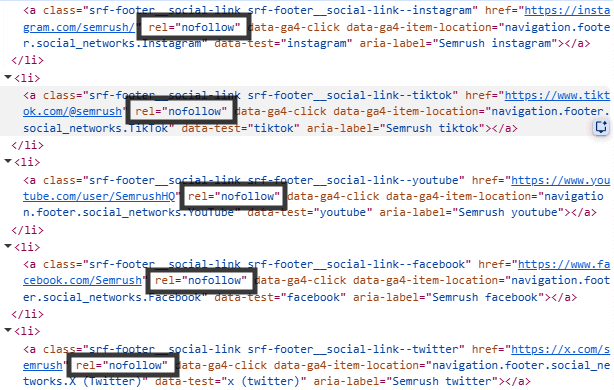
rel="nofollow" attributeHow Search Engines Treat Dofollow Links
Dofollow is not a search-engine directive. It is simply SEO terminology for a normal hyperlink. Individual search engines determine how links, anchor text, link attributes, and the broader link graph are used within their systems.
Discovery
Standard crawlable links give search engines pathways to discover other URLs.
For example, if Google already knows Page A and finds a standard link from Page A to a previously unknown Page B, that link can help Google discover Page B. Discovery does not guarantee that the destination will immediately be crawled or indexed.
PageRank and Link Analysis
Google can consider standard links through PageRank and other link-analysis systems. PageRank remains part of Google’s core ranking systems and evaluates relationships between webpages through links.
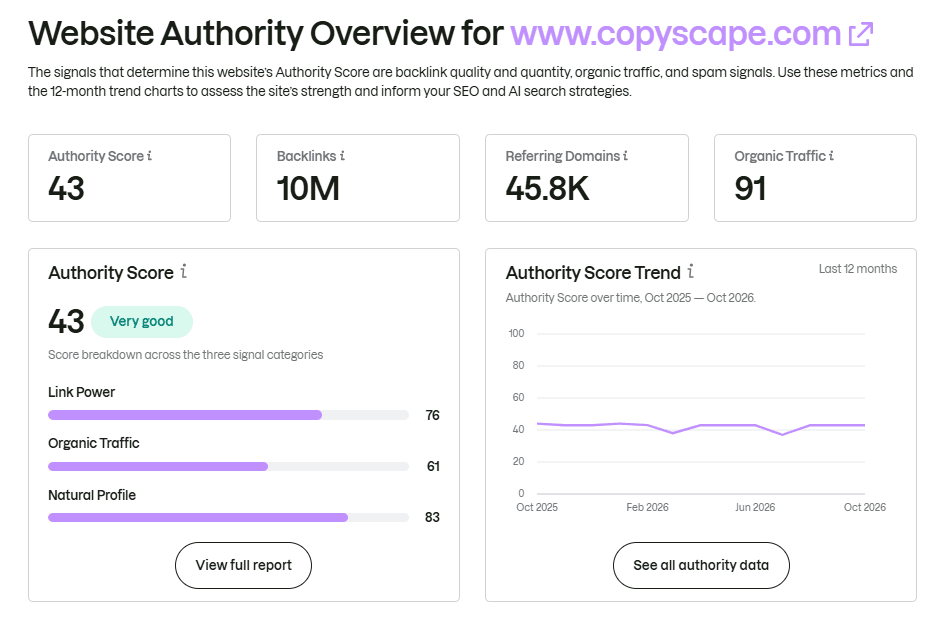
Ahrefs Domain Rating, Moz Domain Authority, and Semrush Authority Score are proprietary third-party metrics; they are not Google’s PageRank or Google ranking scores.
“Link Juice”
The common expression “link juice” is also informal SEO terminology. It broadly refers to ranking value associated with links, but Google does not publish a fixed amount of authority transferred by every dofollow link.
Anchor Text and Context
Search engines can use a link’s anchor text and surrounding content to understand the destination.
For example: <a href="/technical-seo/">technical SEO guide</a> provides more descriptive information about the destination than: <a href="/technical-seo/">click here</a>
Anchor text should remain descriptive and natural rather than repeatedly forcing exact-match keywords.
How to Check Dofollow Links and Best Practices
A link can usually be checked directly in the webpage’s HTML.
How to Check Whether a Link Is Dofollow
- Right-click the link and select Inspect or Inspect Element.
- Locate the highlighted
<a>element in the browser’s developer tools. - Examine its
hrefandrelattributes.
A normal link might appear as: <a href=”https://example.com”>Example</a>
This is commonly described as a dofollow link.

Note
Checking the individual <a> element is not always enough. A page can also use a robots directive such as <meta name="robots" content="nofollow">, which tells Google not to follow links on that page even when individual links do not contain rel="nofollow".
A link can also contain unrelated rel values and still remain a normal link for SEO purposes: <a href=”https://example.com” rel=”noopener”>Example</a>
This shows that the presence of a rel attribute alone does not make the link nofollow. A qualified link would explicitly contain a value such as: <a href=”https://example.com” rel=”nofollow”>Example</a>
or:
rel="sponsored"
rel="ugc"
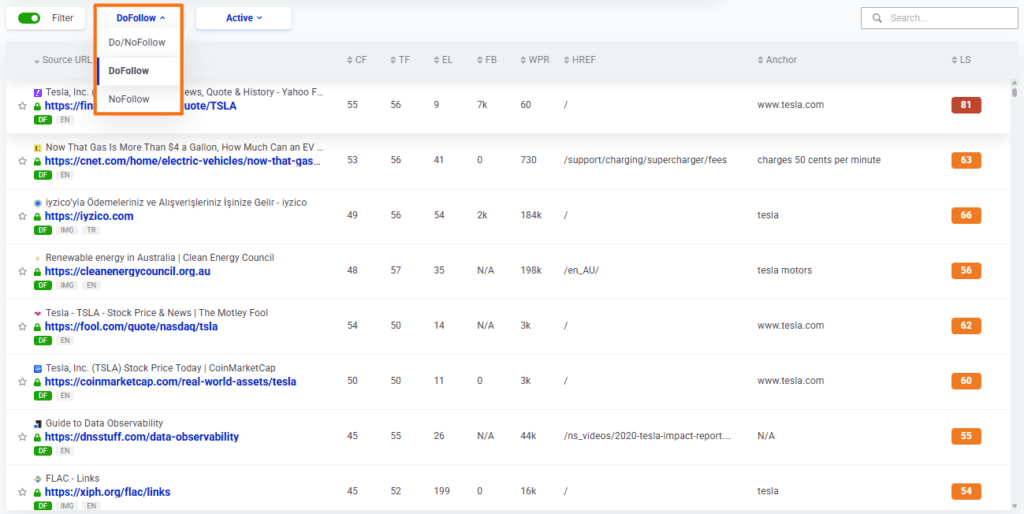
Browser extensions such as Detailed SEO Extension can also highlight nofollow links automatically, while backlink platforms such as Ahrefs, Semrush, and Mangools LinkMiner can report link attributes across larger backlink profiles.
In WordPress, SEO plugins such as Rank Math provide editor controls for adding nofollow or sponsored values to individual links. Wix also allows supported link attributes through its SEO settings, while Shopify implementations can depend on the theme, editor, or HTML being used.
Dofollow Link Best Practices
It is important to use standard links naturally, keeping them relevant and descriptive, and avoiding manipulative linking tactics that can create SEO risk.
- Prioritize Relevant Links: Links should make sense within the subject and surrounding content rather than being inserted simply to transfer ranking value.
- Use Descriptive Anchor Text: Anchor text should explain the destination naturally without repeatedly forcing the same exact-match keyword.
- Keep Important Internal Links Crawlable: Normal internal navigation should generally use standard links rather than
nofollow. - Avoid Buying Ranking Links: Bulk dofollow backlink packages, automated link schemes, and paid links intended to manipulate rankings can violate Google’s spam policies.
- Fix Broken Destinations: Update or remove important links that lead to obsolete or missing pages where an appropriate replacement exists.
- Evaluate the Linking Page: Relevance, legitimacy, editorial context, and audience value matter more than simply checking the domain’s DA, DR, or another third-party score.
- Provide Meaningful Context: Links should appear where they genuinely support the surrounding information rather than being placed solely for SEO.
Frequently Asked Questions
Do nofollow links have any value at all?
Yes. Nofollow links can still send referral traffic, increase brand exposure, help users discover resources, and create opportunities for additional mentions or links. Google also treats nofollow as a hint rather than an absolute instruction.
Does Google count links from social media as dofollow?
There is no universal rule because each social platform controls its own link markup. Platforms may use nofollow, redirects, restricted pages, or other mechanisms, but social links can still provide referral traffic, exposure, and discovery value.
Is it bad if my website has more nofollow links than dofollow links?
No. Google does not publish a required ratio of dofollow to nofollow backlinks. A natural backlink profile can contain many different types of links, and quality, relevance, context, and acquisition method matter more than maintaining an artificial percentage.
What happens to a dofollow link if I change the URL of the page it links to?
If the old destination no longer exists, the backlink may lead to a 404 error. When content has permanently moved to an equivalent replacement URL, an appropriate permanent redirect can send users and search engines to the new location.
Can image links function as standard dofollow links?
An image wrapped inside a normal crawlable <a href> element can function as a standard link. Because an image link may not contain conventional text anchor text, Google can use information such as the image’s alt text to understand the destination context.
Should affiliate links use dofollow or nofollow?
Google recommends marking affiliate and other compensated links with rel="sponsored". nofollow remains acceptable, but sponsored communicates the paid relationship more specifically.