
Key Takeaways
- Link spam uses links primarily to manipulate search rankings rather than provide genuine value, and intent matters more than link volume.
- Common forms include paid ranking links, private blog networks, link farms, automated directories, excessive exchanges, manipulative guest posts, and hidden links.
- Google may neutralize spammy links algorithmically or apply manual actions affecting specific pages, sections, or entire websites.
- Most unsolicited spam backlinks require no action; investigate unusual patterns, secure public platforms, and use disavow cautiously when manual-action risks exist.
Link spam is the practice of creating, obtaining, placing, or distributing links pointing to a website or placed on it mainly to influence search rankings instead of helping users.
It can involve backlinks pointing to a website, manipulative outgoing links from a website, or large-scale link schemes designed to influence how search engines evaluate pages. Common examples include paid ranking links, large-scale link exchanges, automated directory links, private blog networks, spammy forum comments, and links inserted into low-quality content solely for SEO.
The important point here is that link spam is defined by manipulative purpose rather than sheer volume. A single paid link meant to influence rankings can violate Google’s spam policies, while a large number of natural links from legitimate publishers may be completely acceptable.
Google explicitly lists practices such as buying or selling links for ranking purposes, excessive reciprocal linking, automated link creation, low-quality directories, and manipulative guest-post links as link spam.
It is also important not to assume that every strange or low-quality backlink pointing to a site is harmful. It is common for websites to naturally accumulate irrelevant and automated links over time. Google says most sites do not need to use the Disavow Links tool against ordinary unsolicited spam backlinks because it can usually assess which links to trust.
Common Types of Link Spam
Link spam can appear in several forms, from obvious automated schemes to more subtle attempts to influence ranking signals.
- Paid Links for Ranking Purposes: Buying or selling links, exchanging products or services for ranking links, or paying a publisher to insert a keyword-rich backlink into existing content can violate Google’s policies. Paid advertising itself is legitimate when the link is appropriately qualified with
rel="sponsored"ornofollow. - Comment and Forum Spam: Automated or repetitive comments may be posted across blogs, forums, or guestbooks purely to leave promotional backlinks. A typical example is: “Great post! Visit cheap-example-products.com.”
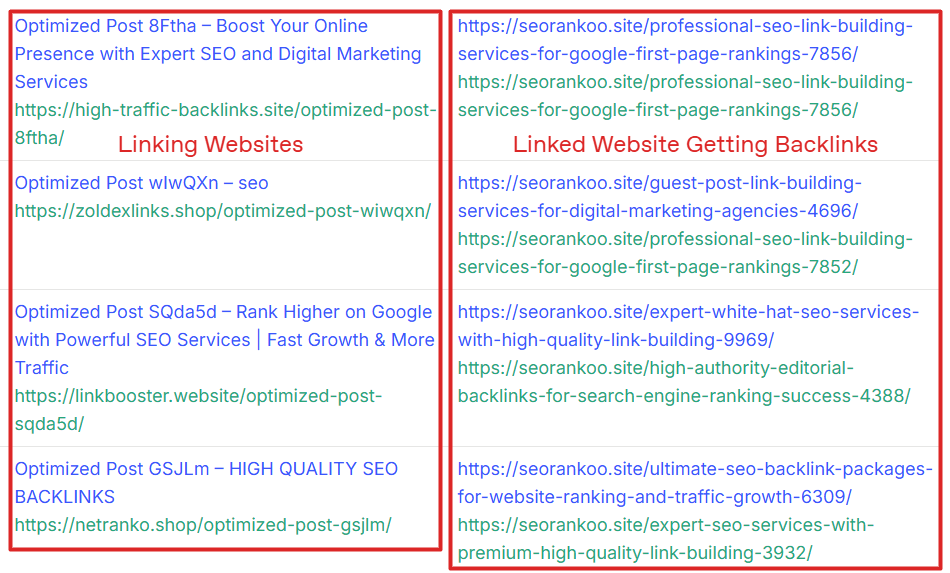
- Private Blog Networks: A private blog network (PBN) is a network of websites controlled primarily to create backlinks to selected sites. Some PBNs are built from expired domains with existing backlink histories, but using expired domains is not required for a network to function as a PBN.
- Link Farms: Link farms are websites or groups of websites created largely to exchange or distribute large numbers of links with little genuine editorial purpose.
- Automated Directory Links: Automated software can submit a website at scale to low-quality directories or bookmarking sites. Google specifically identifies low-quality directory and bookmark links as examples of link spam.
- Excessive Link Exchanges: Genuine businesses can naturally link to one another, but large-scale reciprocal linking arrangements can become manipulative when their main purpose is ranking improvement.
- Manipulative Guest Posts and Advertorials: Guest posting is not inherently spam. Problems arise when large numbers of articles are created mainly to insert optimized backlinks rather than provide useful editorial content.
- Widely Distributed Template Links: Keyword-rich links inserted across widgets, themes, footers, or templates on many websites can be treated as link spam when they are primarily designed to manipulate rankings.
- Low-Value Link-Placement Content: Articles or pages created mainly to host backlinks, rather than provide useful information, can also form part of a link-spam strategy.
What About Hidden Links?
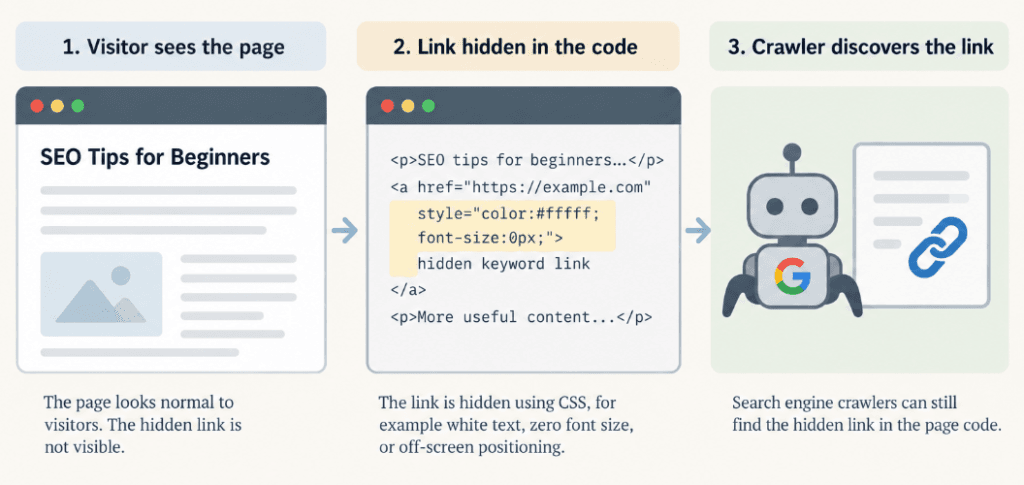
Hidden links overlap with manipulative link building but are treated by Google separately as hidden text and link abuse. Examples include links hidden through white text on a white background, zero-sized text, off-screen positioning, or tiny characters that users are unlikely to see. These techniques attempt to expose links to search engines while concealing them from ordinary visitors.
How Google Detects and Handles Link Spam
Google has developed both automated systems and human review processes to detect manipulative linking behavior.
Penguin
Google launched the Penguin update in 2012 to combat webspam involving manipulative link-building practices. In 2016, Penguin became part of Google’s core ranking systems and became more granular. Google explained that the system could devalue spam by adjusting ranking based on spam signals rather than necessarily reducing an entire site’s rankings. Google now lists Penguin as a retired system.
SpamBrain
Google introduced SpamBrain in 2018 as its AI-powered system for detecting and preventing spam. Google has continued expanding the system to identify different forms of search abuse.
The July 2021 link spam update expanded Google’s ability to identify and neutralize unnatural links across multiple languages. Google’s December 2022 link spam update further expanded SpamBrain so that it could identify websites purchasing links and websites used to pass unnatural outgoing links.
Neutralization of Spammy Links
Google’s automated systems can neutralize the ranking effect of spammy links. This means a manipulative link may stop passing the ranking benefit that the site owner expected. If a website had previously benefited from a large number of artificial links, rankings may fall when those links are devalued because the artificial advantage has been removed.
This is different from assuming that every spammy backlink pointing to a website results in a penalty.
Manual Actions
Google can also apply a manual action when a human reviewer determines that a website or some of its pages violate Google’s spam policies.
Two link-related manual actions are particularly important:
- Unnatural links to a site: Manipulative backlinks pointing toward the website.
- Unnatural links from a site: Manipulative outgoing links published by the website.
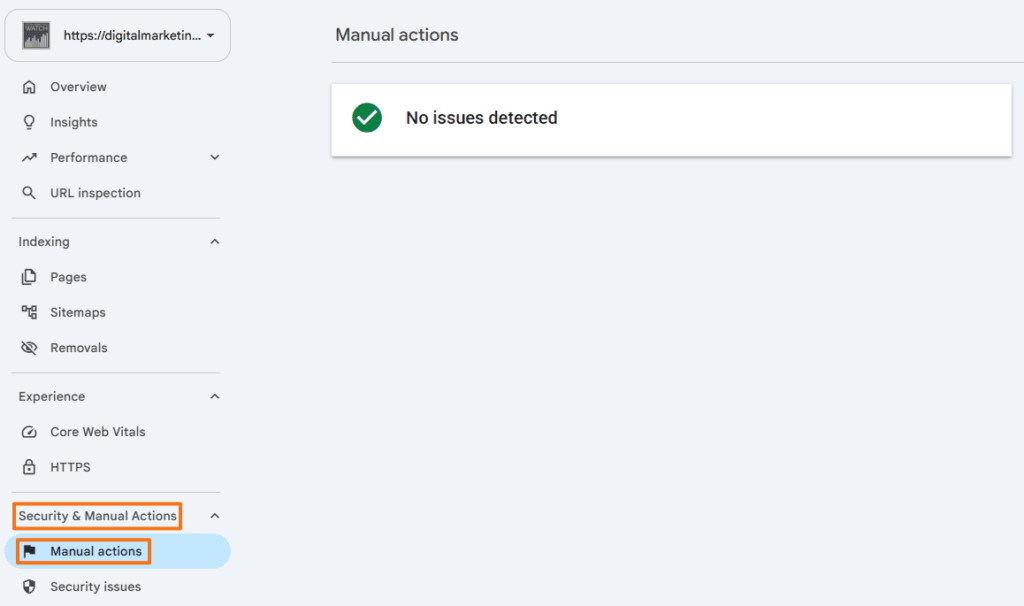
A manual action can affect specific pages, sections, or an entire site and may cause affected pages or sites to rank lower or be omitted from Google Search results. Manual actions are reported in Google Search Console → Security & Manual Actions → Manual actions.
How to Protect a Website From Link Spam
Website owners should focus on preventing their own platforms from being exploited and monitoring unusual activity without overreacting to every unfamiliar backlink.
Qualify User-Generated Links
Websites that allow comments, forum posts, profiles, or other user-generated contributions should qualify user-generated external links with rel="ugc" where appropriate; nofollow can also be used when the publisher does not want Google to associate with the destination. This reduces the incentive for spammers to use the website primarily as a source of ranking links.
Moderate Public Contributions
Comments, forum posts, and other public submissions should be protected through spam filters, CAPTCHA, rate limits, moderation rules, account controls, or human review where appropriate.
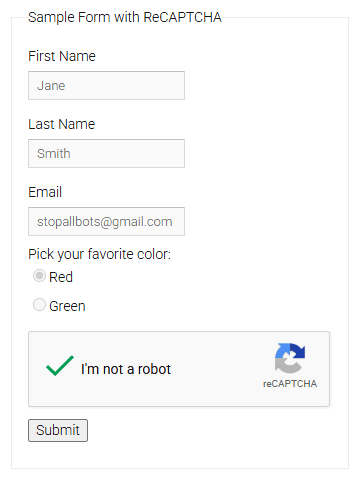
Automatically publishing every submitted link creates an easy target for comment and forum spam.
Keep the Website Secure
Compromised websites can be used to inject hidden links, spam pages, or redirects without the owner’s knowledge.
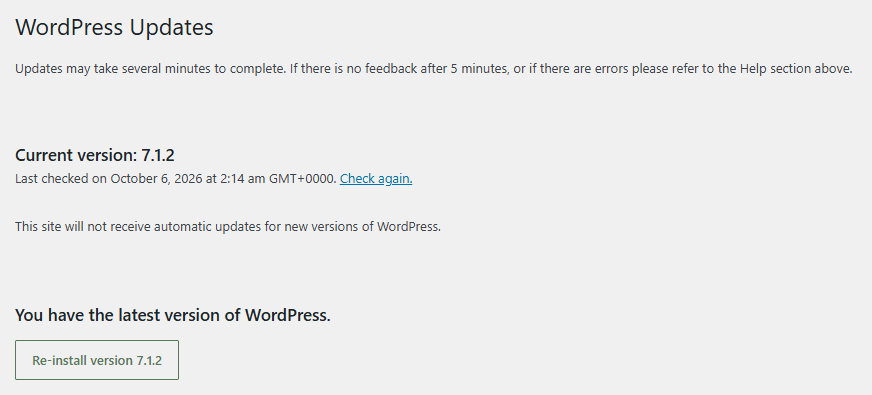
WordPress core, plugins, themes, and server software should be kept updated, while administrator accounts should use strong authentication and secure credentials. Google specifically documents hidden-link and content injection as techniques that can appear on hacked websites.
Monitor Unusual Backlink Activity
Sudden backlink growth, unusual anchor text, or large numbers of links from obviously automated networks can justify investigation. Useful warning signs can include:
- large networks of automatically generated pages;
- repeated commercial anchor text;
- obvious link farms;
- pages containing little except outbound links;
- compromised websites;
- suspicious patterns associated with a known paid-link campaign.
A domain extension such as .xyz, .top, or .shop, a foreign-language website, or a low DA or DR score does not automatically make a link spammy.
Do Not Panic About Negative SEO
A competitor could theoretically attempt to point manipulative links toward another website, but Google says it works to ensure that actions on third-party sites do not negatively affect unrelated websites.
For this reason, ordinary unsolicited spam links usually do not require immediate action, and most websites do not need to use Google’s Disavow Links tool.
How to Check Inbound Link Spam and What to Do About It
A thorough backlink audit can combine first-party search-engine data with third-party link indexes.
Google Search Console
In Google Search Console, navigate to Links → External links to review:
- Top linking sites
- Top linked pages
- Top linking text
These reports can reveal unusual referring domains, unexpected destination pages, and suspicious anchor-text patterns.
Search Console should not be treated as a complete backlink database as Google provides only a sample of detected links rather than every backlink it knows about. Also check Security & Manual Actions → Manual actions to see whether Google has issued an Unnatural links to your site manual action.
Ahrefs
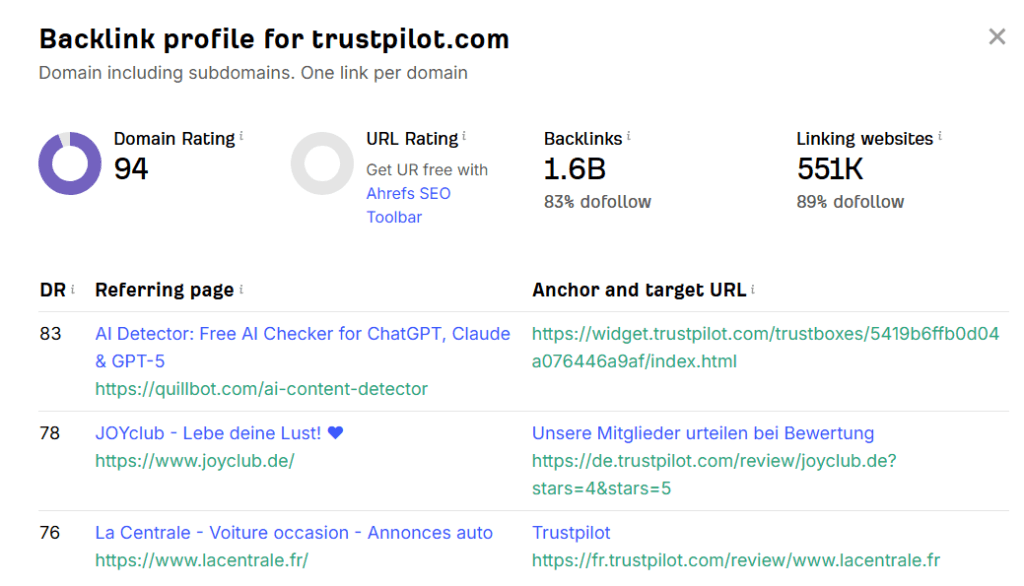
Ahrefs Site Explorer can be used to examine backlinks, referring domains, anchor text, new and lost links, and sudden link-growth patterns. Its Domain Rating and related metrics are proprietary Ahrefs measurements, not Google ranking scores.
Ahrefs also offers a free Backlink Checker that provides a limited snapshot of a website’s backlink profile, making it useful for quick backlink checks without requiring a paid plan.
Semrush
Semrush Backlink Analytics and Backlink Audit can similarly help identify referring domains, anchors, backlink patterns, and potentially suspicious links.
Semrush may label some links as toxic or potentially toxic, but those labels are based on Semrush’s own methodology rather than Google’s determination that the link is harmful.
Mangools LinkMiner
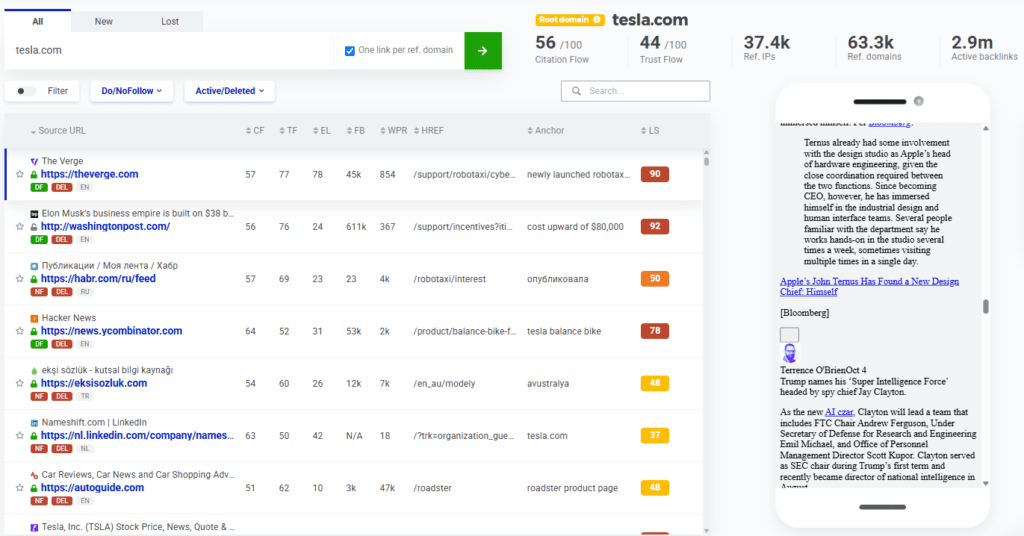
Mangools LinkMiner can help identify potentially spammy backlinks by showing link-level signals such as link type, source page metrics, anchor text, and whether a backlink is active or deleted. These signals do not prove that a link is spam, but they can help you spot suspicious patterns and decide which backlinks deserve closer review.
Moz and Other Tools
Moz Link Explorer provides backlink and linking-domain information, while tools such as Majestic offer additional independent backlink indexes.
Browser extensions including MozBar and Majestic Backlink Analyzer can provide quick domain-level information during manual reviews, although they are not substitutes for a complete backlink audit.
When Should the Disavow Tool Be Used?
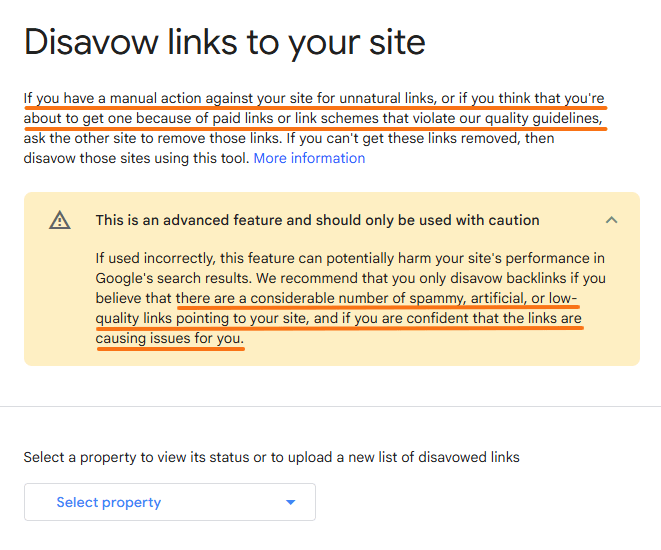
Google says the Disavow Links tool should be used cautiously. It recommends considering using the tool only when both of the following conditions apply:
- the site has a considerable number of spammy, artificial, or low-quality backlinks; and
- those links have caused or are likely to cause a manual action.
Random unsolicited spam backlinks generally require no action.
Frequently Asked Questions
Can a competitor hurt my rankings by sending link spam to my website?
Google says it works to ensure that actions taken on third-party websites do not negatively affect another site and that most sites do not need to disavow ordinary spam backlinks. Suspicious links can still be monitored, but an unexpected backlink spike should not automatically be interpreted as a successful negative-SEO attack.
Is exchanging links with a friend or business partner considered link spam?
Not necessarily. Genuine partners can naturally reference and link to one another. Google specifically targets excessive exchanges and partner pages created primarily for cross-linking and ranking manipulation, rather than every reciprocal link.
What is the difference between Google’s automated link-spam systems and a manual action?
Automated systems such as SpamBrain detect and neutralize spam algorithmically across the web. A manual action occurs when a human reviewer determines that a website violates Google’s spam policies and applies an action that can be viewed in Search Console.
Are all guest posts considered link spam?
No. Guest posts can be legitimate when they provide useful information to another publication’s audience. They become problematic when large-scale guest posting is used primarily to create ranking links, especially through keyword-rich anchor text and low-value content.
Should Google’s Disavow Tool be used to clean up link spam?
Usually not. Google says most websites do not need the tool. It is intended for situations involving a considerable amount of manipulative linking that has caused, or is likely to cause, a manual action.
What happens when a website links to a spammy destination?
An accidental outbound link does not automatically indicate a spam violation. If an unsuitable destination is discovered, the link can be removed or replaced. When a link must remain but the publisher does not want Google to associate its site with the destination, rel="nofollow" may be appropriate depending on the context.