Key Takeaways
- A landing page is a focused webpage designed for a specific audience, campaign, offer, or conversion goal.
- Campaign landing pages differ from homepages by reducing competing navigation and concentrating visitors on one primary objective.
- Lead capture pages collect visitor information through forms, while click-through pages direct visitors to destinations such as checkout, pricing, or signup flows.
- In analytics, any page—including a homepage, article, product page, or 404 page—can be a landing page when it begins a session.
A landing page is a webpage that a visitor reaches after clicking a search result, advertisement, social media post, email link, or another marketing message. In marketing, the term usually refers to a focused page created for a particular audience, campaign, offer, or conversion goal, such as generating a lead, registering a user, starting a free trial, or completing a purchase.
For example, a Google Ads campaign promoting a free SEO audit might direct visitors to a dedicated page explaining the service and containing a “Request a Free SEO Audit” form. Google Ads similarly defines a landing page as the webpage people reach after clicking an advertisement.
A landing page differs from a homepage because a homepage normally introduces the wider website and provides several navigation paths, while a campaign landing page usually concentrates on a much narrower objective.
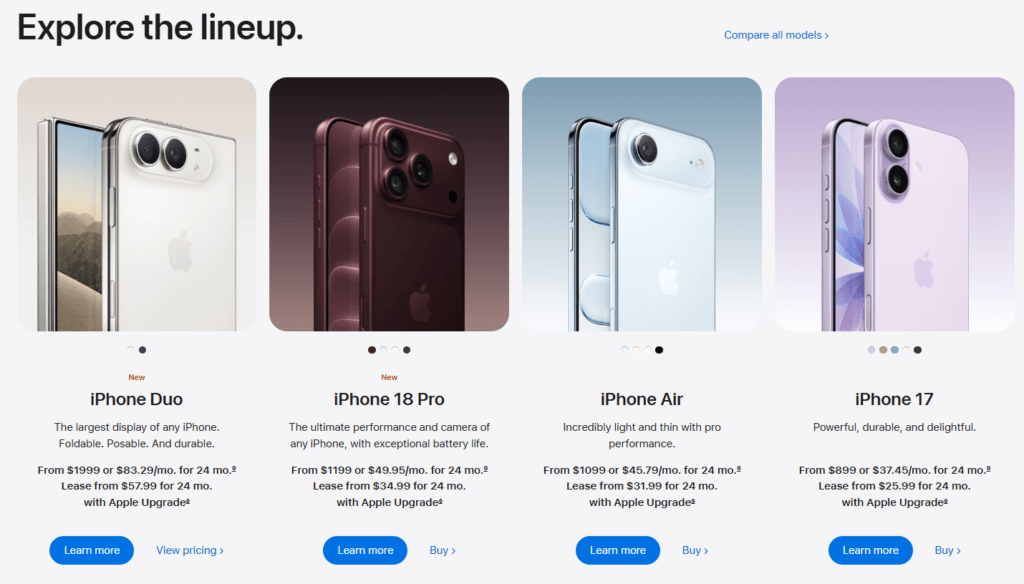
Two of the most common campaign-focused formats are lead capture landing pages and click-through landing pages, although many specialized variations exist.
Note
In web analytics, the term has a broader meaning: Google Analytics 4 (GA4) defines the landing page as the first page viewed during a session. A homepage, article, product page, or even a 404 page can therefore become a landing page in analytics if the visitor’s session begins there.
Types of Landing Pages
Landing pages can serve different purposes depending on the visitor’s stage in the marketing journey. Lead capture and click-through pages are two fundamental types of campaign landing pages, while other formats are designed for particular offers, events, products, or stages of a conversion funnel.
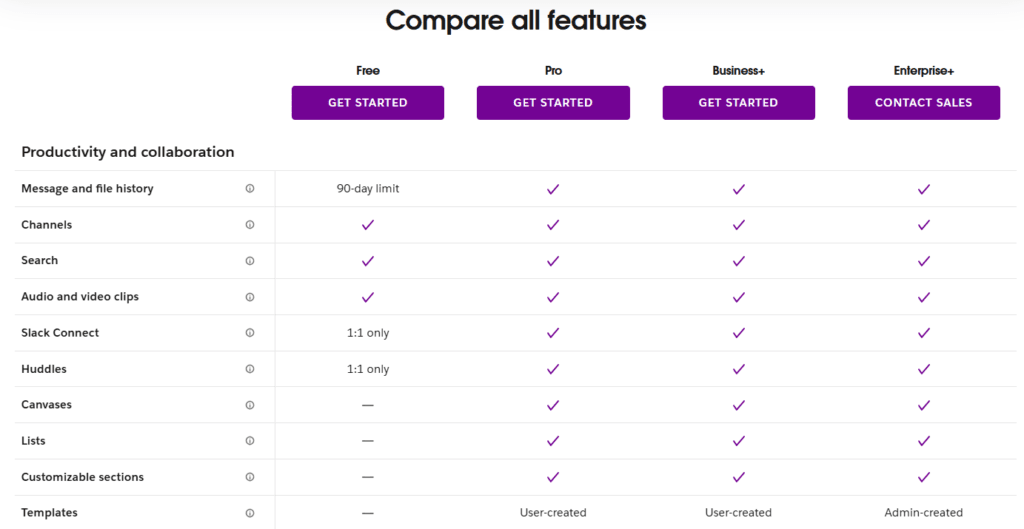
- Lead Capture Landing Pages: Also called lead generation pages, these use a form as their main conversion action. Visitors may provide information such as a name, email address, phone number, or company details in exchange for an ebook, consultation, webinar, product demo, free trial, or another offer. The amount of information requested should reflect what is genuinely needed for the next step rather than making every form unnecessarily long.

- Click-Through Landing Pages: These pages usually explain an offer and encourage visitors to continue to another destination instead of collecting information directly. The CTA might lead to a checkout, pricing page, signup flow, or app store. They are commonly used in ecommerce and Software-as-a-Service (SaaS) marketing.
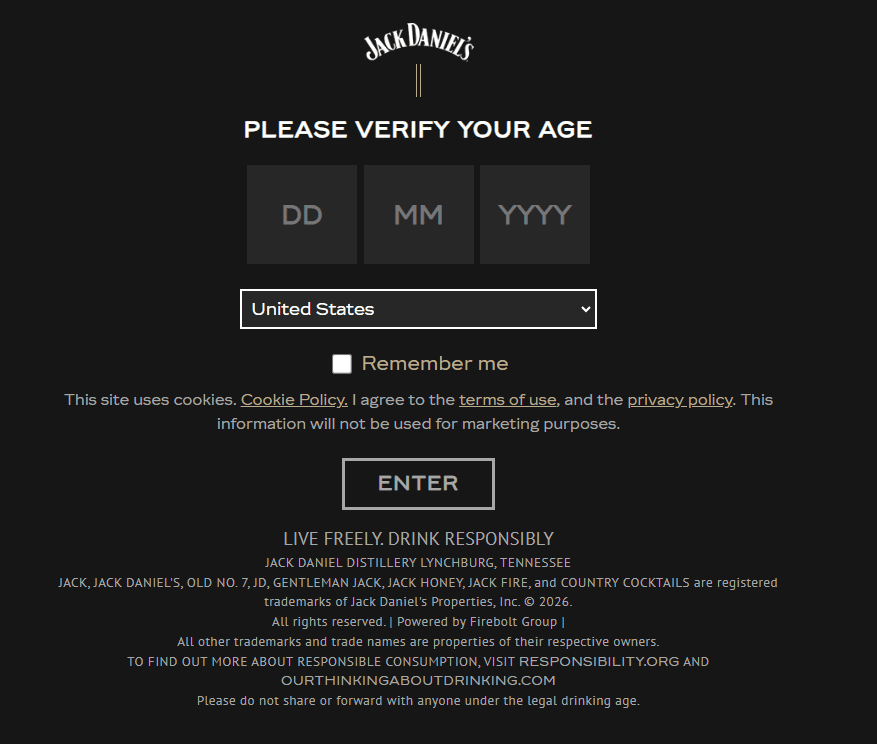
- Splash Pages: These are brief intermediary pages used for purposes such as announcements, language selection, age verification, or another preliminary choice before the visitor continues.
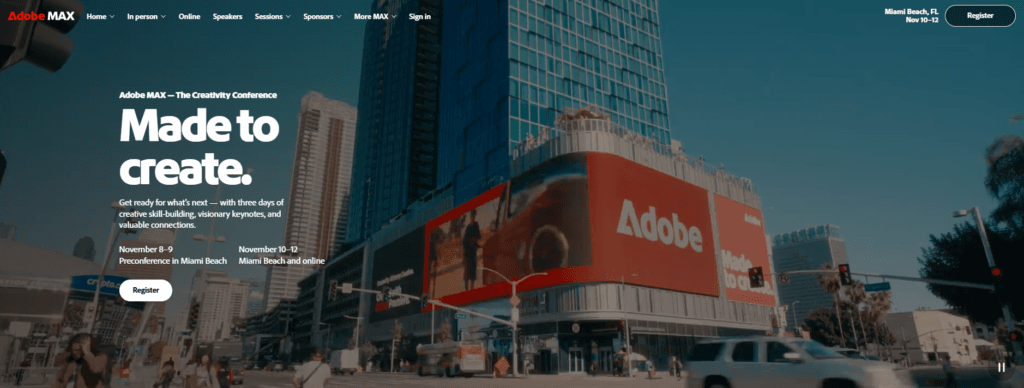
- Event Registration Pages: These pages provide details about a conference, webinar, workshop, or other event and encourage visitors to register.
- Long-Form Sales Pages: These provide more detailed explanations of the offer, including benefits, supporting evidence, FAQs, objections, testimonials, and repeated CTAs.
- Product Landing Pages: These focus on a particular product or product range and may include features, benefits, pricing, photographs, demonstrations, and purchasing options.
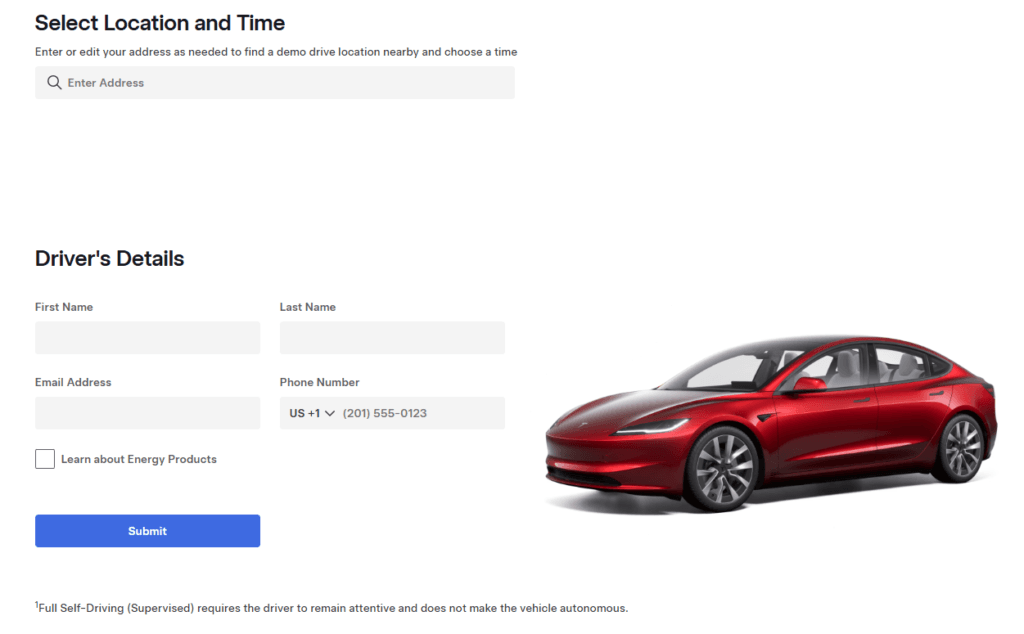
- Referral Landing Pages: These receive visitors from a particular partner, referral campaign, or promotional source and continue the corresponding message or offer.
- Thank-You Pages: These appear after a conversion to confirm that an action has been completed and may provide instructions or suggest an appropriate next step.

- Microsites: A microsite is a small, focused web experience created for a campaign, product, event, or other initiative. It may contain a single page or several related pages and is typically separate from the organization’s main website.
A homepage or 404 page is not normally created as a campaign landing-page type, but either can be recorded as a landing page in analytics when it is the first page of a session.
Layout and Features of a General Landing Page
Landing pages vary considerably according to whether they promote a product, collect leads, register visitors for an event, or support another goal. However, campaign landing pages commonly use several structural features to make the offer clear and keep the desired action easy to complete.
- Focused Navigation: Campaign landing pages often reduce unnecessary navigation and competing links so attention remains on the main offer. Navigation does not always need to disappear completely; the page should remain easy to use and allow visitors to find essential information.
- Hero Area Above the Fold: The opening section usually contains the main headline, supporting message, relevant visual, and primary call to action. Important information should be visible quickly so visitors understand what the page offers without searching for it.
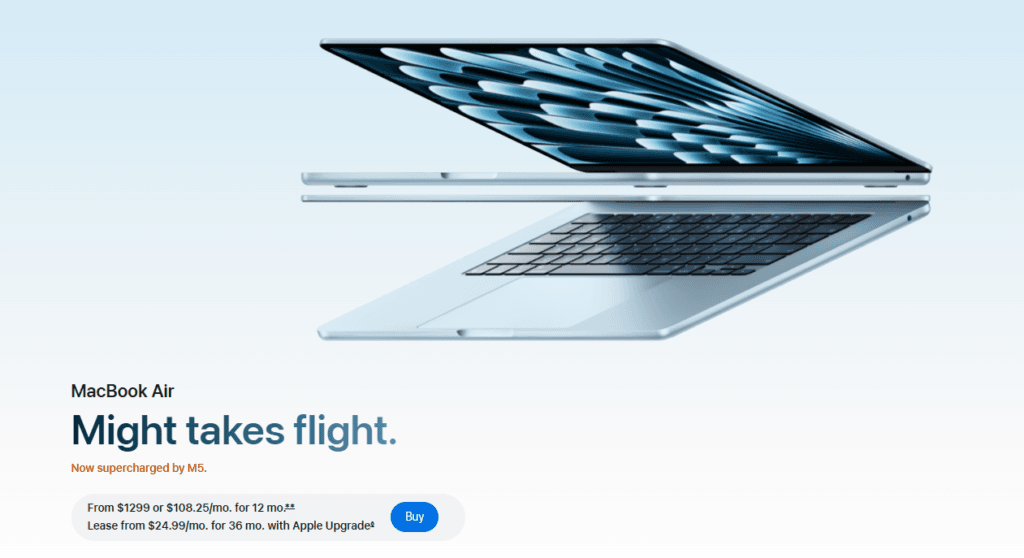
- Clear H1 Headline: The main heading should immediately communicate what is being offered and should align closely with the search query, advertisement, email, or other message that brought the visitor to the page.
- Prominent Call to Action: A clear CTA tells the visitor what to do next. Examples include Download the Guide, Request a Quote, Start a Free Trial, or Buy Now.

- Problem and Solution: The page can explain the problem or need faced by the intended audience and then show how the product, service, or offer addresses it.
- Unique Selling Proposition: A strong landing page clearly communicates why the offer is valuable and what distinguishes it from relevant alternatives.
- Relevant Visuals: Product photographs, screenshots, demonstrations, illustrations, or videos can make an offer easier to understand and help visitors visualize the outcome.
- Social Proof and Trust Information: Genuine testimonials, reviews, client logos, guarantees, certifications, security information, or clear business contact details can strengthen credibility when they are relevant to the decision.

- Low-Friction Forms: Lead capture forms should request the information genuinely required for the next stage. Every additional field adds some effort, but longer forms can still be appropriate when qualification or detailed information is necessary.
- Closing CTA: Longer landing pages can repeat the main CTA near the end so visitors who have finished reviewing the offer can act without returning to the top.
Landing Page Best Practices for SEO and Conversion
Landing-page optimization should balance search visibility, usability, relevance, and conversion goals rather than concentrating on only one element.
- Match Search and Campaign Intent: The landing page should closely reflect the advertisement, keyword, email, social post, or search query that brought the visitor there. Google Ads recommends close alignment between ads, keywords, CTAs, and landing pages.
- Target Relevant Keywords: Landing pages intended to rank organically can target appropriate long-tail, commercial, product, or service queries without forcing unnecessary keyword repetition.
- Write Clear Titles and Headings: The SEO title and H1 should communicate the same central subject, although they do not have to be identical.
- Explain the USP Clearly: Visitors should quickly understand what is being offered, who it is intended for, and why it is useful.
- Keep the Page Fast and Mobile-Friendly: Landing pages should load efficiently and remain easy to use on smaller screens. Google specifically recommends fast, mobile-friendly landing-page experiences.
- Use Scannable Content: Organize longer pages with descriptive headings, short paragraphs, bullets, and relevant visuals so important information can be found quickly.
- Use Strong Product or Offer Visuals: Images, screenshots, videos, or demonstrations can clarify the offer rather than serving only as decoration.
- Add Genuine Social Proof: Authentic reviews, testimonials, case studies, and customer examples can help visitors evaluate credibility.
- Provide Contact and Trust Information: Relevant business identity, contact, privacy, payment, security, or return information should be accessible when it affects the decision.
- Use Appropriate Structured Data: Eligible pages can implement relevant Schema.org structured data to help search engines understand the content, although this does not guarantee rich-result appearance.
- Build Relevant Internal and External Links: Landing pages intended to rank organically can benefit from useful internal links and genuine backlinks like other indexable pages.
- Keep the CTA Easy to Find: Visitors should not have to search through the page to understand what action is expected.
Measuring Landing Page Performance
Landing-page performance should be evaluated according to the goal of the page. An ecommerce product page, lead-generation page, and informational organic landing page do not necessarily succeed according to the same metrics.
- Conversion Rate: This measures the percentage of measured visitors or sessions that complete the desired action.
If 1,000 sessions produce 50 registrations, the conversion rate is 5%.
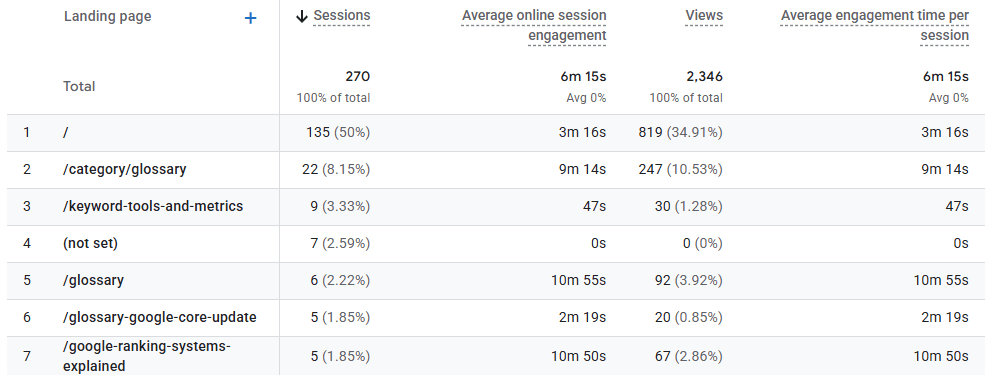
- Sessions: In the GA4 Landing page report, Sessions shows how many sessions began with each landing page. In GA4, the Landing page report identifies the page associated with the first pageview of each session.
- Traffic Source: Traffic-source information shows whether visitors arrived through organic search, paid advertising, email, social media, referrals, or another channel. GA4 allows landing pages to be analyzed with session source and medium information.
- Engagement and Bounce Rate: In GA4, bounce rate is the percentage of sessions that were not engaged, making it the inverse of engagement rate. These metrics can help show whether visitors continue interacting with the page. However, a short visit does not necessarily mean failure if the visitor quickly completes the intended action.
- Impressions and Clicks: For landing pages receiving organic search traffic, Google Search Console can show how often the URL appears in Search and how many clicks those appearances generate.
- Key Events and Revenue: Lead-generation and ecommerce pages should ultimately be connected with meaningful outcomes such as inquiries, registrations, purchases, subscriptions, or revenue.
GA4’s Landing page report also provides metrics including sessions, average engagement time per session, active users, key events, and total revenue, making it useful for comparing how different entry pages contribute to website performance.
Frequently Asked Questions
What is the difference between a standard website homepage and a targeted landing page?
A homepage introduces the broader website and normally provides several routes to products, services, articles, company information, and other sections. A targeted landing page is usually created around a particular campaign, audience, offer, or conversion objective, so its content and call to action are more focused.
What is the difference between a lead generation landing page and a click-through landing page?
A lead generation landing page collects visitor information directly through a form, often in exchange for an offer such as an ebook, consultation, webinar, or trial. A click-through landing page primarily explains the offer and encourages visitors to continue to another destination, such as a checkout, pricing, or signup page.
How do you calculate the conversion rate of a landing page?
Landing-page conversion rate is calculated by dividing the number of completed conversions by the number of visitors or sessions being measured and multiplying the result by 100.
Conversion Rate = (Conversions ÷ Visitors or Sessions) × 100
For example, if a landing page receives 2,000 sessions and produces 100 completed purchases or registrations, its conversion rate is 5%.