Key Takeaways
- A domain name is a human-readable internet address that DNS translates into an IPv4 or IPv6 address for network access.
- When a domain is registered, the registrant gets the right to use and control it for a specific period, not forever; to keep the domain, the registration must be renewed before it expires.
- A domain identifies a website or namespace, while a URL identifies a specific resource using components such as a scheme, path, query, or fragment.
- Keywords in domains and URLs are not ranking shortcuts; descriptive naming mainly supports visitor understanding, site organization, branding, and geographic signaling.
A domain name gives people a memorable way to reach a website or online service instead of having to remember a numerical IP address. For example, instead of entering a number such as 192.0.2.1, a visitor can use a memorable name such as example.com. A domain may resolve through the Domain Name System (DNS) to one or more IPv4 or IPv6 addresses, depending on how the website’s hosting and network infrastructure are configured.
IPv4 vs. IPv6
IPv4 uses shorter numerical addresses such as 192.0.2.1, while IPv6 uses much longer hexadecimal addresses such as 2001:db8::1. IPv6 was introduced largely because the number of available IPv4 addresses is limited, allowing the internet to support far more connected devices.
Public domain names such as example.com must be registered before they can be used. Generic domains are typically registered through a registrar, while country-code domains follow the registration processes of their respective registries. Registration does not amount to permanent ownership: the registrant receives the right to use and control the domain for the registration period and can retain those rights by renewing it. ICANN specifically distinguishes domain registration from buying a name permanently.
Examples of domain registrars include GoDaddy, Namecheap, Cloudflare Registrar, and Squarespace Domains. A recognizable domain that aligns with a company’s name can also support brand recall, credibility, and consistency across its digital marketing activities.
Domain Name vs. URL
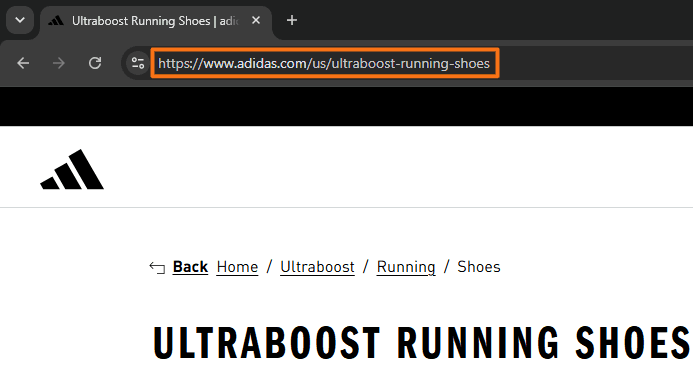
A domain name identifies a website or internet namespace, while a URL identifies the complete location of a particular page, file, or other resource. For example, example.com is a domain name, while https://example.com/blog/domain-name/ is a URL containing that domain.
For SEO, neither a keyword-heavy domain nor a keyword-rich URL should be treated as a shortcut to rankings. Google says that keywords in a domain name or URL path alone have hardly any ranking effect, while descriptive URLs remain useful primarily for visitors and site organization.
The Hierarchy of a Domain Name
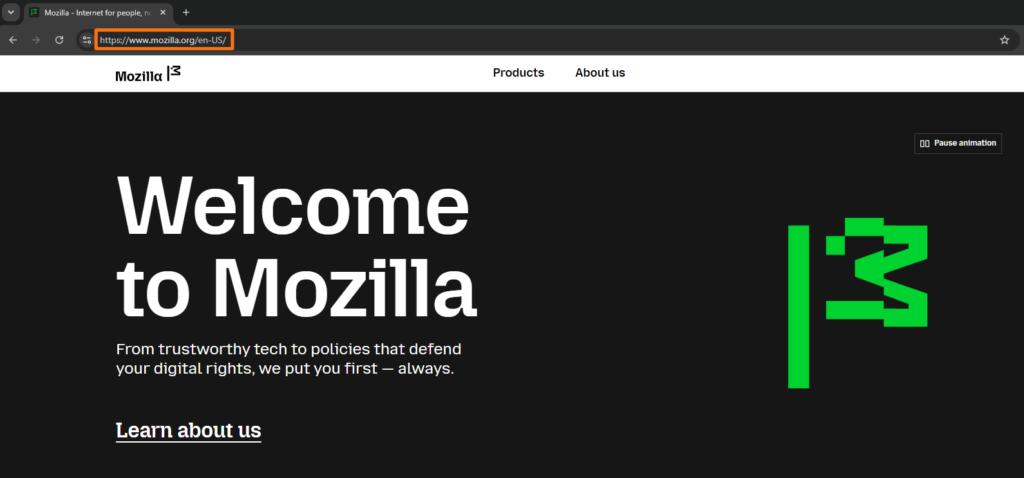
Domain names follow a hierarchy that is read from right to left. In the hostname blog.example.com, .com occupies the highest visible level, example sits beneath it, and blog identifies a subdomain.
Top-Level Domain (TLD)
A Top-Level Domain is the rightmost part of a domain name. For example, in example.com, the TLD is .com.
Other examples include .org, .net, .in, .de, and .tech. The IANA Root Zone Database maintains the authoritative list of delegated TLDs and the organizations responsible for managing them.
Second-Level Domain (SLD)
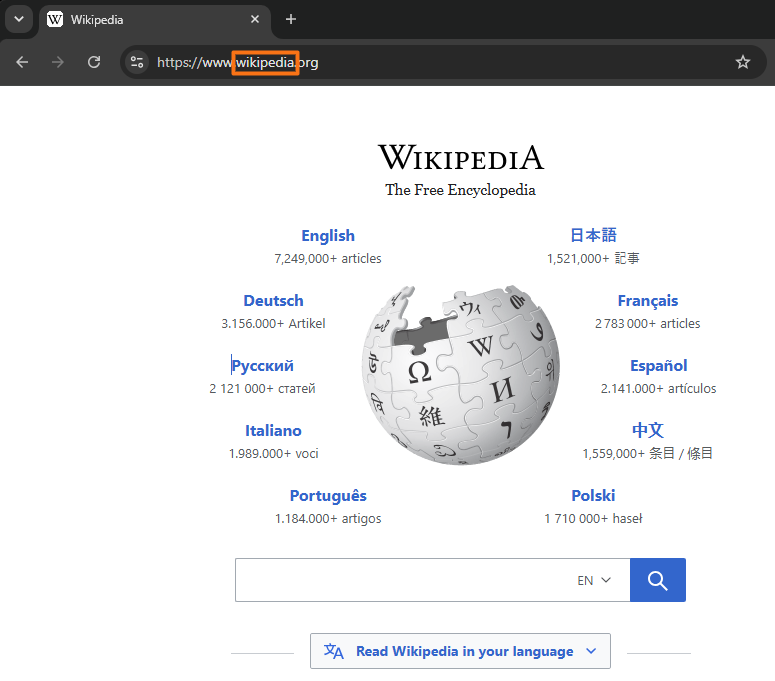
The Second-Level Domain is the label immediately to the left of the TLD. For example, in wikipedia.org, the second-level domain is wikipedia.
In common structures such as example.com, the second-level domain is often the distinctive brand, organization, product, or project name. Domain structures can vary. For example, in example.co.uk, co is immediately below the .uk TLD while the registrable name appears farther to the left.
Subdomain
A subdomain is an optional label placed to the left of the main registered domain. It can be used to separate a particular section, service, application, or regional experience.
Examples include:
blog.example.comshop.example.comsupport.example.com
A subdomain does not require registration as a completely separate domain because it sits beneath a domain that is already controlled.
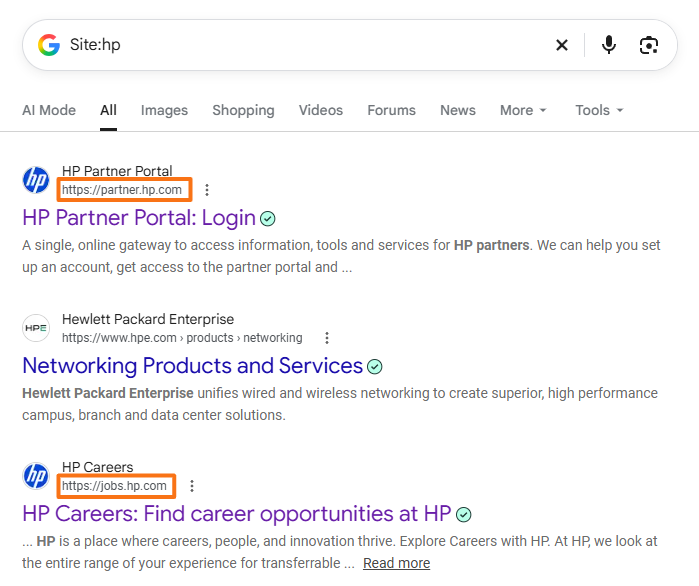
Domain Hierarchy at a Glance
The table below shows how the main parts of a domain name fit together, from the top-level domain on the right to optional subdomains on the left.
How a Domain Name Works: The Domain Name System (DNS)
The Domain Name System (DNS) translates human-readable domain names into network information that computers can use. It is often compared with an internet phonebook: a recognizable name is looked up to find the network address needed to reach the corresponding service.
When a domain such as example.com is entered into a browser, the process typically works like this:
- The browser or operating system asks a DNS resolver for information about the domain.
- If a recent answer is already cached, the resolver may return it immediately.
- Otherwise, the resolver follows the DNS hierarchy to locate the authoritative name servers responsible for the domain.
- The authoritative server returns the requested DNS record, such as an IPv4 or IPv6 address.
- The browser can then connect to the appropriate server or network service and request the website.
This system is distributed; no single company or organization runs the entire DNS.
Who Coordinates the DNS?
Several organizations perform different roles in keeping the domain name system coordinated and operational. Some manage the global DNS hierarchy, some operate top-level domains, while others provide the registration services that individuals and businesses use to obtain and manage domain names.
Internet Corporation for Assigned Names and Numbers (ICANN): ICANN coordinates policies and systems relating to globally unique internet identifiers, including domain names.
Internet Assigned Numbers Authority (IANA): The IANA functions, performed by Public Technical Identifiers (PTI), an ICANN affiliate, include coordinating the DNS root zone. This includes recording which organizations manage individual top-level domains and maintaining technical delegation information.
Domain Registry: A registry operates the database and technical infrastructure for a particular TLD. Different TLDs can therefore have different registry operators.
Domain Registrar: A registrar is an organization through which individuals and businesses register and manage domain names. The registrar submits registration information to the relevant registry and provides services such as renewal, transfers, and DNS management.
Technical Delegation Information and DNS Queries
Technical delegation information specifies which authoritative name servers are assigned to a top-level domain so that DNS queries can be directed to the correct servers. A DNS query is a request sent through the Domain Name System to find information about a domain, such as which IP address or authoritative name server is associated with it.
gTLDs, ccTLDs, and Sponsored TLDs
Top-level domains can be divided into several categories based on their purpose and administration.
Generic Top-Level Domains (gTLDs)
Generic Top-Level Domains are not inherently tied to one country. Examples include .com, .org, .net, .tech, .photography, and .guru.
Google does not give .com an inherent ranking advantage over other generic TLDs. Its guidance explicitly states that, outside geographic targeting considerations, Google Search generally does not care whether a site uses .com, .org, .asia, or another generic extension.
Country-Code Top-Level Domains (ccTLDs)
Country-Code Top-Level Domains are associated with particular countries or territories. Examples include:
.de— Germany.in— India.ca— Canada.uk— United Kingdom
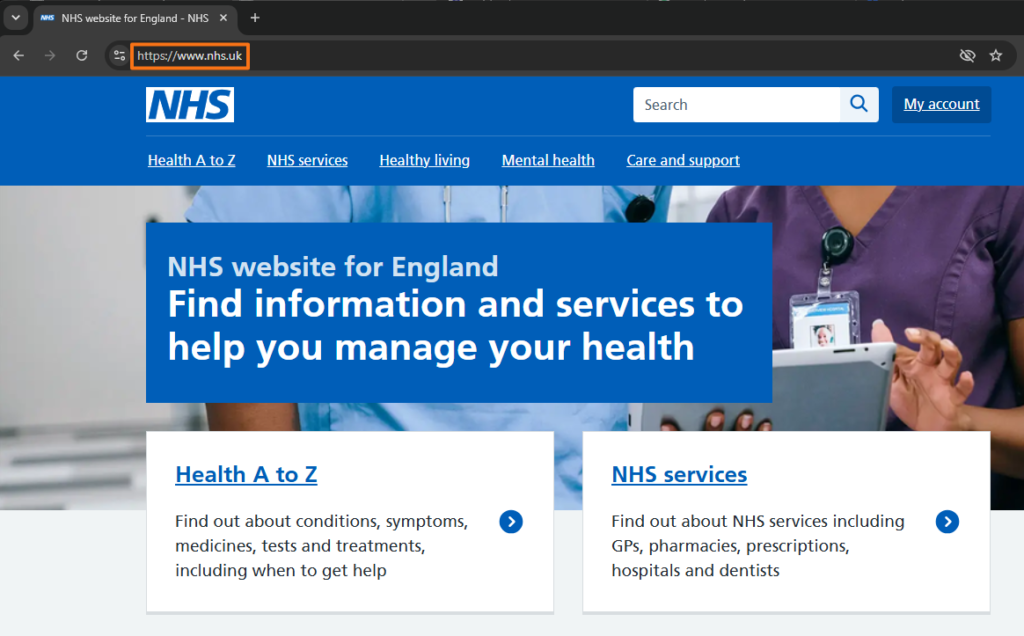
A ccTLD can provide a strong geographic signal to users and search engines that a website primarily serves a particular country. It does not prevent the site from appearing in other countries when its pages are relevant. Google also treats certain widely used country-code extensions, including .co, .io, .me, and .tv, as generic rather than strongly country-targeted.
Sponsored Top-Level Domains (sTLDs)
A sponsored TLD serves a defined community and may have eligibility or usage requirements. Examples include extensions associated with particular institutions, industries, or communities. IANA identifies the classification and manager of individual TLDs in its Root Zone Database.
Which Top-Level Domains Do Search Engines Prefer?
Google does not inherently prefer .com over .net, .org, or newer generic TLDs. The meaningful distinction is usually geographic: a ccTLD may provide information about the country a site is intended to serve. Google describes the TLD as only a limited ranking consideration outside such localization.
.com remains one of the most widely registered domain extensions, which can make it familiar to users. According to Verisign, there were 166.6 million .com registrations at the end of the second quarter of 2026, compared with 12.5 million .net registrations and 148.6 million registrations across all ccTLDs. These figures describe domain usage, not search-engine preference.
Brand-New vs. Expired Domains
The history of a domain can affect what information, links, and reputation already exist around it, but neither a new nor an expired domain comes with guaranteed SEO outcomes.
Brand-New Domains
A brand-new domain generally begins without an established backlink profile, search history, audience, or brand recognition. Search engines must discover, crawl, index, and evaluate its pages as the website develops.
There is no documented fixed Google “sandbox” period that requires every new domain to wait a predetermined number of weeks or months before ranking. Visibility depends on factors such as content relevance and quality, competition, technical accessibility, links, and other ranking signals.
Expired or Dropped Domains
An expired domain is a previously registered domain whose registration was not renewed and later became available again. Such a domain may still have historical backlinks, mentions, old indexed URLs, or prior brand associations.
However, purchasing an expired domain does not guarantee that previous rankings or authority will transfer to a new website. Google specifically classifies expired domain abuse as a spam practice when an expired name is acquired and reused mainly to influence search rankings with content that offers little value.
SEO Risks When Buying an Expired Domain
An expired domain should be researched before registration or purchase. Useful checks include:
- reviewing historical pages through the Wayback Machine;
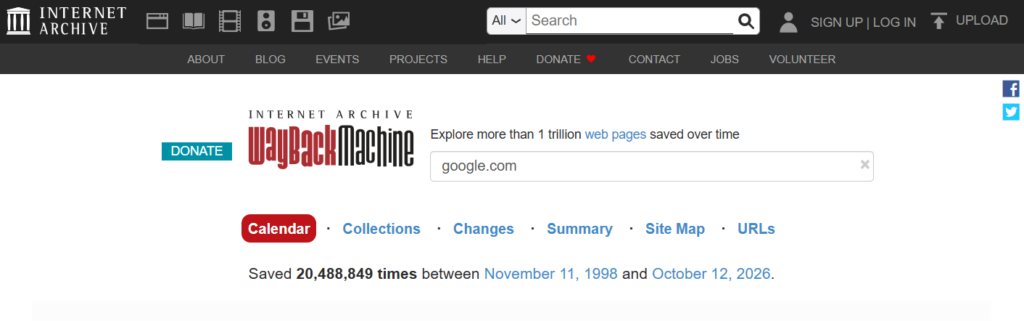
- checking past backlinks and linking websites using the free Ahrefs Backlink Checker tool;
- identifying previous industries or topics;
- checking for spam, hacked content, doorway pages, gambling, adult, or other unrelated uses;
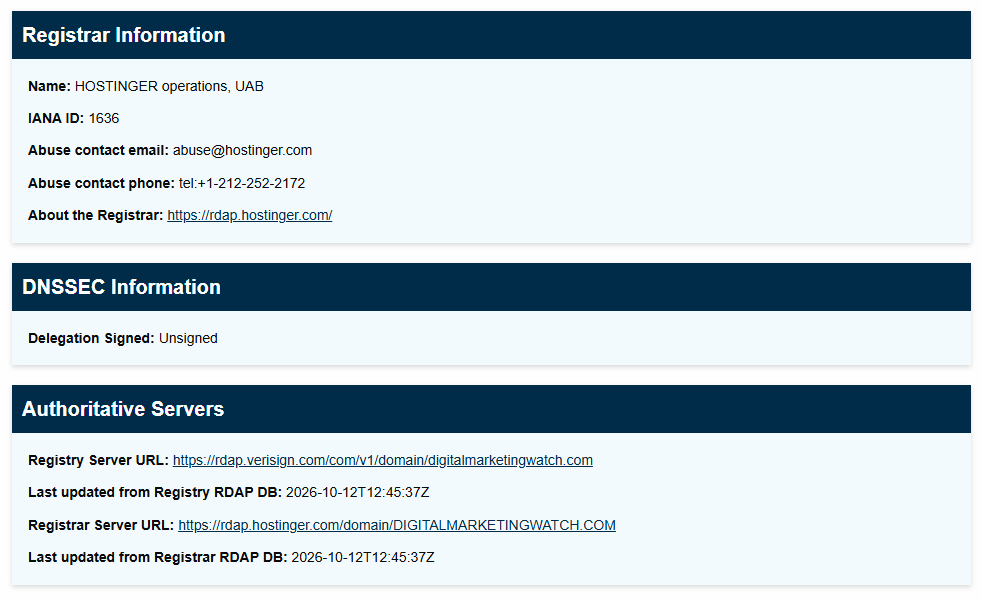
- checking current registration details, registrar information, and domain status using ICANN Lookup;
- reviewing possible trademark conflicts;
- checking whether old URLs or search results remain visible.
Historical problems do not automatically make a domain permanently unusable, but understanding its previous use helps avoid inheriting unnecessary complications.
Domain Authority (DA) and Domain Rating (DR)
Domain Authority (DA) is a proprietary Moz metric designed to estimate a domain’s relative ability to rank compared with other domains. Domain Rating (DR) is an Ahrefs metric that evaluates the relative strength of a website’s backlink profile.
Both can be useful for comparative SEO analysis, but DA and DR are third-party metrics. Neither is a score used by Google Search, and a higher DA or DR does not guarantee higher rankings.
Frequently Asked Questions
How long does a brand-new domain take to rank on Google?
There is no guaranteed ranking timeframe and no documented fixed Google sandbox period. A new site may be discovered and indexed relatively quickly, but meaningful rankings can take longer depending on competition, relevance, content quality, technical accessibility, links, and other signals.
What happens if a domain expires and someone else registers it?
Once another registrant legally acquires an expired domain, the previous registrant generally cannot simply reclaim it. Where trademark abuse or bad-faith registration is involved, formal dispute processes such as ICANN’s Uniform Domain Name Dispute Resolution Policy (UDRP) may be available.
Does Google rank .com better than .net or .uk?
No, Google does not inherently rank .com above another generic TLD such as .net. A country-code extension such as .uk can provide a geographic targeting signal, but it is not automatically better or worse for rankings.