Key Takeaways
- YMYL covers topics where inaccurate, misleading, or untrustworthy information could seriously affect health, finances, safety, or society.
- Google treats YMYL as a spectrum, so risk depends on a topic’s potential harm rather than its industry category alone.
- Polished writing, research, accuracy, and completeness cannot substitute for appropriate experience, expertise, authority, and trust on high-stakes subjects.
- YMYL is not a dedicated algorithm or single ranking factor, but Google gives greater weight to content demonstrating strong E-E-A-T in these areas.
YMYL (Your Money or Your Life) is Google’s term for topics where inaccurate or untrustworthy information could significantly affect a person’s health, financial stability, safety, or the welfare or well-being of society. Google’s Search Quality Rater Guidelines include examples such as heart attack symptoms, investment advice, earthquake preparedness, voting eligibility, and driver’s license requirements (pp. 11–12).
YMYL topics differ from many lower-risk SEO subjects because high-quality writing alone is not enough for these topics. A page may be accurate, comprehensive, current, readable, grammatically correct, and well researched, yet still lack the experience, expertise, authority, or trust appropriate for a high-stakes subject.
For example, a capable student could use reliable sources to produce an accurate explanation of a complex medical procedure, but that would not make the student an appropriate source of medical advice.
For YMYL topics, these traditional content-quality factors still matter, but they cannot substitute for appropriate expertise and trust. Google says its systems give greater weight to content aligned with strong E-E-A-T when the subject could significantly affect health, financial stability, safety, or society.
What Topics Are Considered YMYL?
The guidelines do not define YMYL as a simple list of industries. Instead, they instruct raters to consider the potential for inaccurate or untrustworthy information to cause harm (p. 11). Google groups that potential harm into four broad areas: YMYL Health or Safety, YMYL Financial Security, YMYL Society, and YMYL Other.
Health or Safety includes both physical and online safety. Financial Security covers information that could affect someone’s ability to meet their own or their family’s financial needs. Government, Civics & Society includes elections, public institutions, major civic issues, and other information capable of affecting groups of people or society. The fourth category, YMYL Other, covers additional topics capable of causing substantial harm.
The category alone does not determine whether every page is YMYL. Google describes YMYL as a spectrum (p. 11). Advice about when to visit an emergency room is clearly YMYL, while a casual discussion about how often to replace a toothbrush is unlikely to require the same level of scrutiny. Similarly, news about ongoing violence may be YMYL because inaccurate reporting could affect public safety and civic decisions, while a minor entertainment story usually carries much lower risk.
The same distinction applies to finance. Explaining what a stock market is carries less risk than telling someone which shares to purchase with their retirement savings. For investment decisions, sources such as the SEC’s Investor.gov guidance carry particular authority because they come directly from the relevant regulator.
Why YMYL Matters for SEO
YMYL is closely connected with E-E-A-T: Experience, Expertise, Authoritativeness, and Trustworthiness. Google describes Trust as the most important part of E-E-A-T because a page cannot have strong E-E-A-T if it is fundamentally unreliable, regardless of how experienced or knowledgeable its creator appears (pp. 26-27).
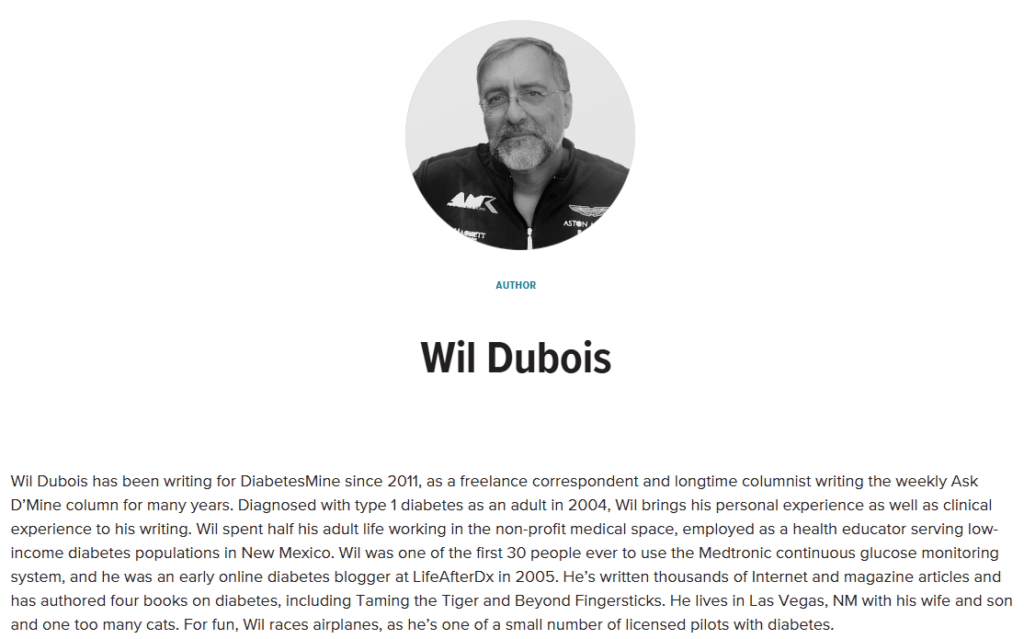
The appropriate type of E-E-A-T depends on the subject and purpose of the page. First-hand experience can be extremely valuable when someone is describing what they personally went through. Formal expertise becomes more important when the page gives professional or high-stakes advice.
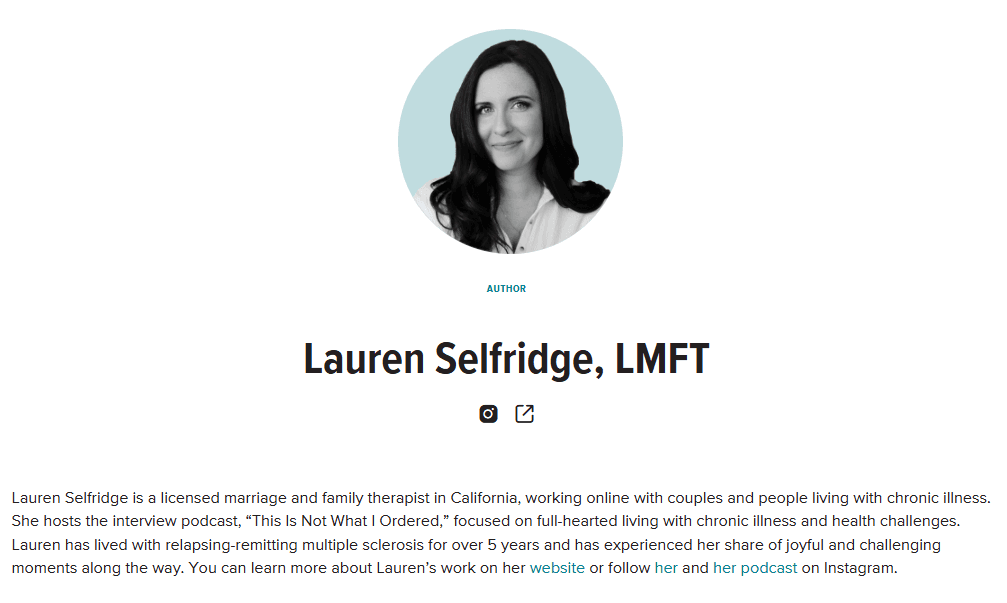
Google’s guidelines illustrate the distinction clearly. Someone who has undergone cancer treatment may be an excellent source for describing their personal experience of coping with treatment. That does not make them qualified to recommend which cancer treatment another patient should choose. Similarly, a person can credibly review a retirement service they have personally used, while detailed advice about how another person should invest for retirement may require financial expertise (p. 28).
How Google’s Quality Rater Framework Evaluates YMYL Pages
Google’s quality framework considers several overlapping dimensions when assessing high-stakes content:
- Experience: Does the creator have meaningful first-hand or life experience relevant to what they are discussing?
- Expertise: Does the creator have the knowledge, professional training, or skill required for the subject?
- Authoritativeness: Is the creator or website recognized as a reliable or go-to source for that topic?
- Trust: Is the information accurate, honest, safe, transparent, and reliable?
- Reputation: What do credible independent sources say about the website or creator?
- Content Quality: Does the page demonstrate originality, effort, accuracy, completeness, and a clear beneficial purpose?
- Transparency: Is it clear who created the content, who is responsible for it, and, where appropriate, how it was produced?
Google’s raters are also instructed to examine what creators say about themselves, what independent sources say about them, and what evidence of experience or expertise is visible in the content itself (p. 27). In other words, conflicts of interest can also reduce trust (p. 56).
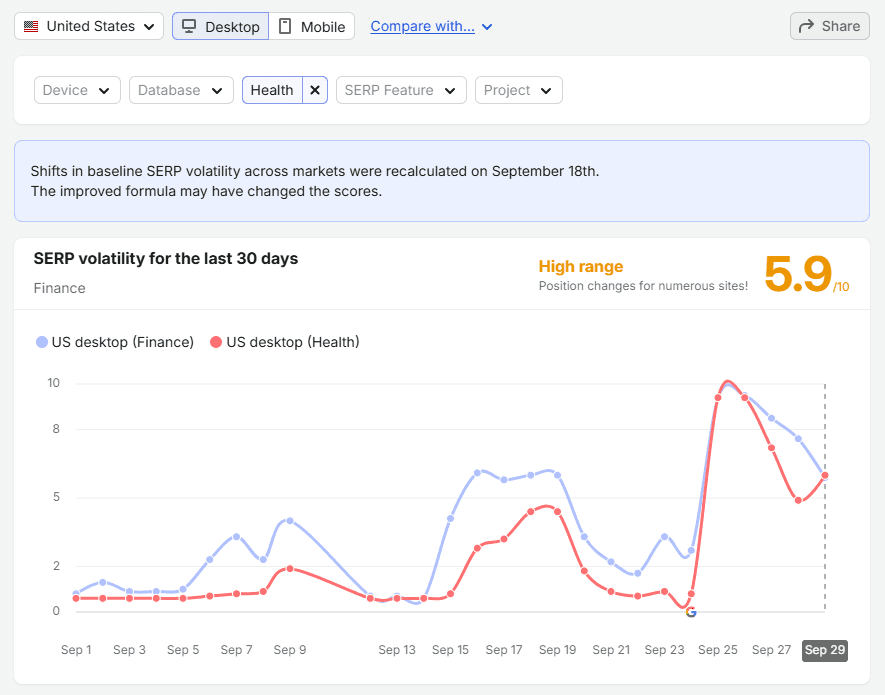
This distinction is important when discussing historical Google updates. Some broad core updates have strongly affected health, finance, and other high-trust websites, and the SEO industry has sometimes associated particular updates with YMYL. The best-known example is the August 2018 Broad Core Update which became unofficially known as the Medic Update because health and medical websites showed particularly noticeable ranking changes. However Google did not confirm that the update specifically targeted medical or YMYL content.
However, Google has not announced a dedicated “YMYL algorithm” or “E-E-A-T algorithm.”
YMYL and Google Ranking Algorithms
YMYL and E-E-A-T are not individual Google ranking algorithms. Google says E-E-A-T itself is not a standalone ranking factor. Its automated ranking systems use many factors that can help identify content demonstrating these qualities, with greater weight given to clearer evidence of E-E-A-T for YMYL subjects. Search quality raters evaluate results to help Google assess its systems, but their ratings do not directly determine how individual pages rank.
YMYL Content: Best Practices
The most important principle for YMYL content is simple: Good writing cannot substitute for the right source of knowledge.
Consider medical information. Mayo Clinic does not build trust merely by publishing polished articles. Its health-information process includes evidence-based research, editorial review, medical review by specialists, source documentation, scheduled updates, and correction procedures. More than 100 Mayo physicians and scientists serve as medical editors reviewing content within their specialties.
A doctor’s credibility similarly comes from more than the letters “Dr.” before a name. Appropriate medical education, professional licensing, clinical training, relevant specialty experience, and, where applicable, board certification can demonstrate that the person has been trained and assessed in the subject they are discussing. In the United States, for example, physicians become board certified through the relevant ABMS Member Board after completing medical school, obtaining a medical license, finishing residency or specialty training, and passing the relevant board assessment.
First-hand evidence matters as well. A news organization’s authority is not created simply by rewriting other reporting. Reuters, for example, operates under longstanding principles requiring integrity, independence, freedom from bias, and reliable news. Its reporting standards and values include direct reporting, source verification, documents, interviews, and visual evidence.
Useful best practices for YMYL content include:
- Use primary sources whenever possible. Link to regulators, government agencies, original research, official statistics, court documents, company filings, or other sources closest to the information.
- Use qualified experts where the subject requires them. Medical, legal, financial, and safety advice may require professional expertise rather than general research ability.
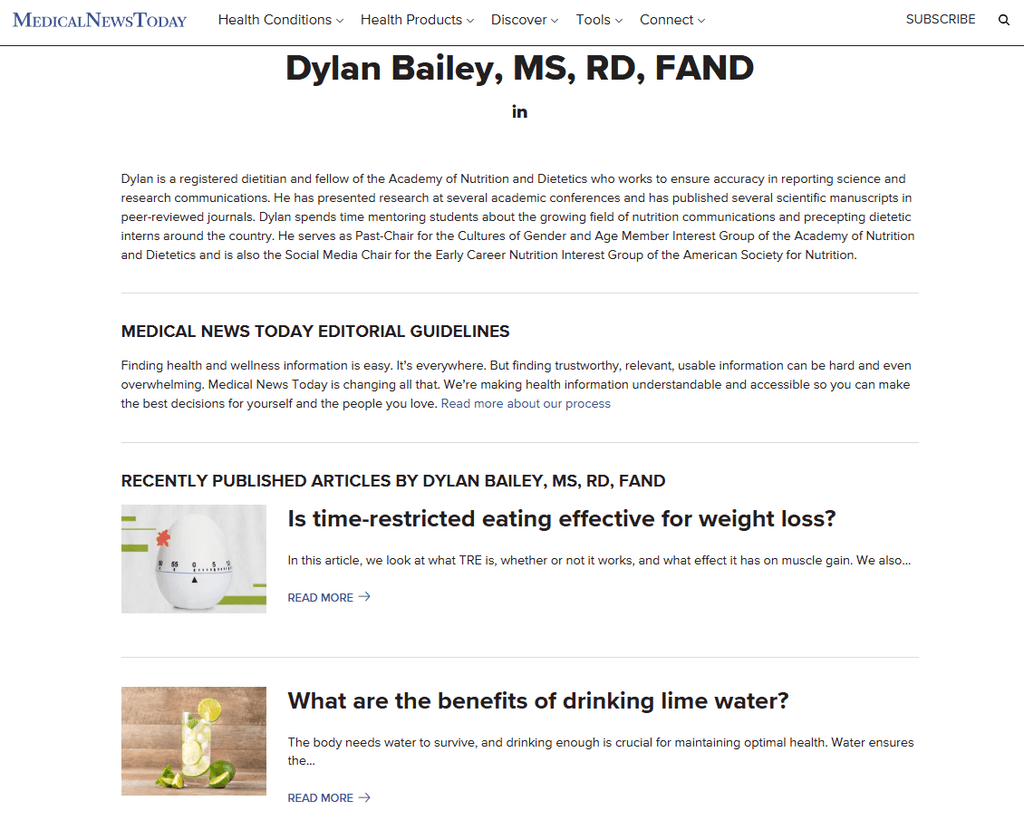
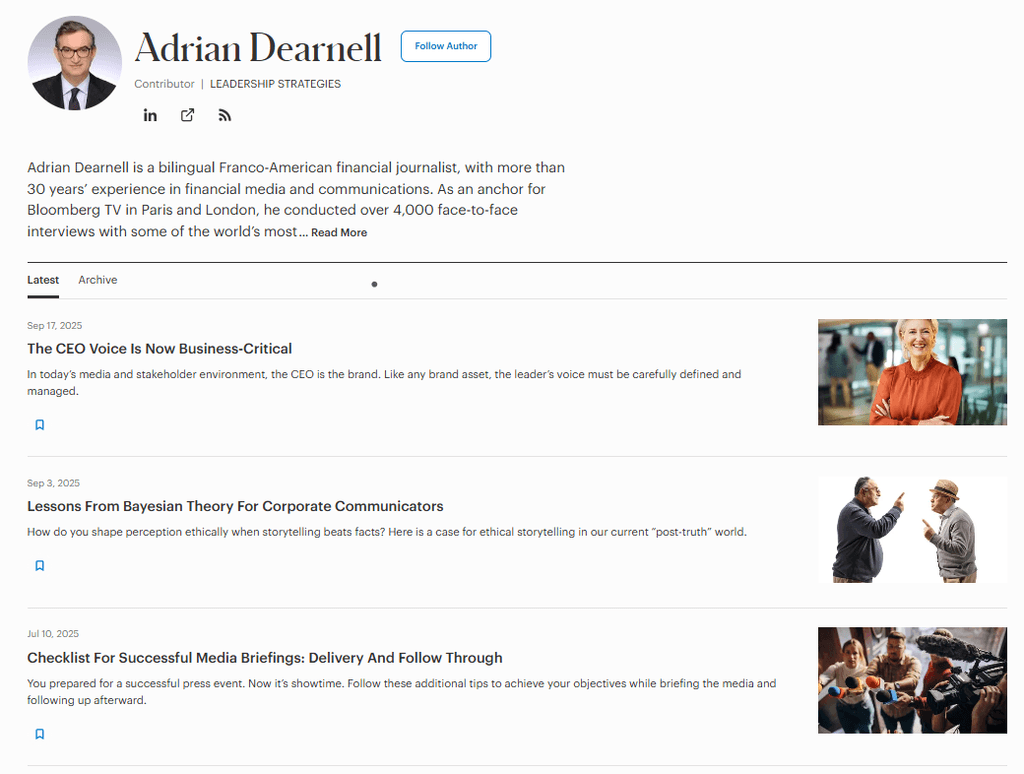
- Show credentials clearly. Author biographies, professional qualifications, relevant experience, reviewer details, and links to supporting profiles help readers understand why someone should be trusted.
- Include first-hand evidence. Original interviews, field reporting, professional experience, case studies, testing, photographs, documents, and original data can demonstrate genuine involvement with the subject.
- Distinguish experience from professional advice. Someone’s personal experience can be valuable without qualifying them to prescribe what another person should do.
- Keep important facts current. Laws, medical recommendations, tax rules, financial regulations, election procedures, safety advice, and current events can change.
- Correct errors transparently. Trust is strengthened when important mistakes are acknowledged and corrected rather than quietly left in place.
- Build relevant reputation and authority. Independent references, expert citations, professional recognition, original research, and references from respected organizations can strengthen a creator’s or site’s reputation.
- Maintain a clear subject focus. Publishing indiscriminately across unrelated topics does not automatically prove a lack of expertise, but it can make genuine specialization harder to demonstrate. Google specifically asks whether a site has a clear primary purpose or focus and warns against entering many unrelated topics mainly to attract search traffic.
Accuracy, comprehensiveness, current facts, readability, grammar, originality, and strong presentation remain important. But on YMYL subjects, they come with an additional requirement: readers need a credible reason to trust the people, evidence, and organization behind the information.
Frequently Asked Questions
Is all health or financial content considered YMYL?
Google treats YMYL as a spectrum based on the potential for harm. A casual fitness discussion may carry little risk, while advice about treating a medical condition or investing retirement savings can have serious consequences and requires a much higher standard of trust and expertise.
Does a YMYL article have to be written by a qualified expert?
Not always. The appropriate level of expertise depends on the purpose of the page. First-hand experience can be valuable for describing personal experiences, but high-stakes medical, legal, financial, or safety advice may require qualified professional expertise.
Can a well-researched article rank for a YMYL topic without strong E-E-A-T?
Accuracy, originality, research, and content quality are important, but they do not automatically establish trust. Google says its systems give greater weight to content aligned with strong E-E-A-T for YMYL subjects, making the credibility of the creator, website, and sources particularly important.
Is E-E-A-T a ranking factor for YMYL pages?
Not as a single ranking factor. Google says E-E-A-T itself is not a standalone ranking factor; instead, its systems use a mixture of signals that can identify qualities associated with experience, expertise, authoritativeness, and trustworthiness.