
Key Takeaways
- Keyword variations include synonyms, grammatical forms, modifiers, questions, brands, locations, and related terms describing the same or closely related subject.
- Natural variations in keywords can add context, topical depth, specificity, and intent without forcing repeated exact-match phrases throughout content.
- Research variations through search results, autocomplete, trends, keyword tools, communities, and competitor analysis, then group, filter, and use them naturally.
- Exact keyword variations are not all required because Google’s language systems can connect pages with queries using different wording.
Keyword variations are different words, phrases, and query formulations that people may use to search for the same subject or closely related information. They can include synonyms, grammatical forms, longer phrases, questions, modifiers, product names, brands, locations, and other terms that make the original keyword more specific or provide additional context.
For example, consider the primary keyword running shoes. Useful variations for this keyword might include running footwear, running shoe, best running shoes, running shoes for beginners, waterproof running shoes, Nike running shoes, or which running shoes are best for flat feet?
These phrases are related, but they do not all represent the same type of variation. Some change the wording, while others add a product feature, audience, brand, problem, or question.
Keyword variations can help content address the different ways people search without repeatedly forcing the same exact phrase into every paragraph. Google advises content creators to consider that knowledgeable users and beginners may use different search terms. It further explains that its language-matching systems can understand how a page relates to many queries even when the page does not explicitly contain every exact variation.
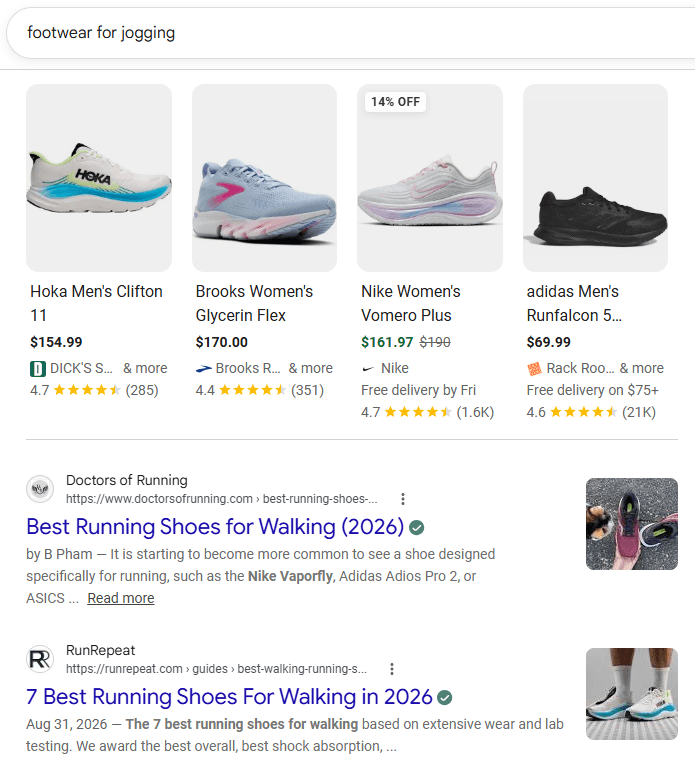
The goal is therefore not to collect dozens of keyword variations and insert all of them. A better approach is to understand how people describe the topic and use relevant variations naturally where they improve clarity, specificity, or completeness.
Types of Keyword Variations
Keyword variations can be created in several ways, depending on how the wording or search intent changes.
Synonyms and Alternative Phrasings
Synonyms and alternative phrases express the same or a closely related idea using different wording.
For example:
- running shoes → running footwear
- car repair → auto repair
- cheap flights → affordable flights
Synonyms are not always interchangeable in every context. The alternative wording should still accurately reflect the subject and the language people actually use.
Morphological Variations
Morphological variations are different grammatical forms of the same underlying word.
Examples include:
- run → runs → running
- optimize → optimized → optimizing → optimization
- strategy → strategies
There is usually no need to deliberately repeat every grammatical form. Modern search systems can often recognize relationships between different grammatical forms of a word.
Semantically Related Terms and Entities
Some useful keyword variations may not be synonyms. They can include terms, concepts, products, brands, or entities that naturally belong to the subject. For running shoes, related vocabulary might include cushioning, trail running, pronation, waterproofing, Nike, Adidas, or running gait.
For example, Nike running shoes and Brooks running shoes are branded keyword variations of running shoes.
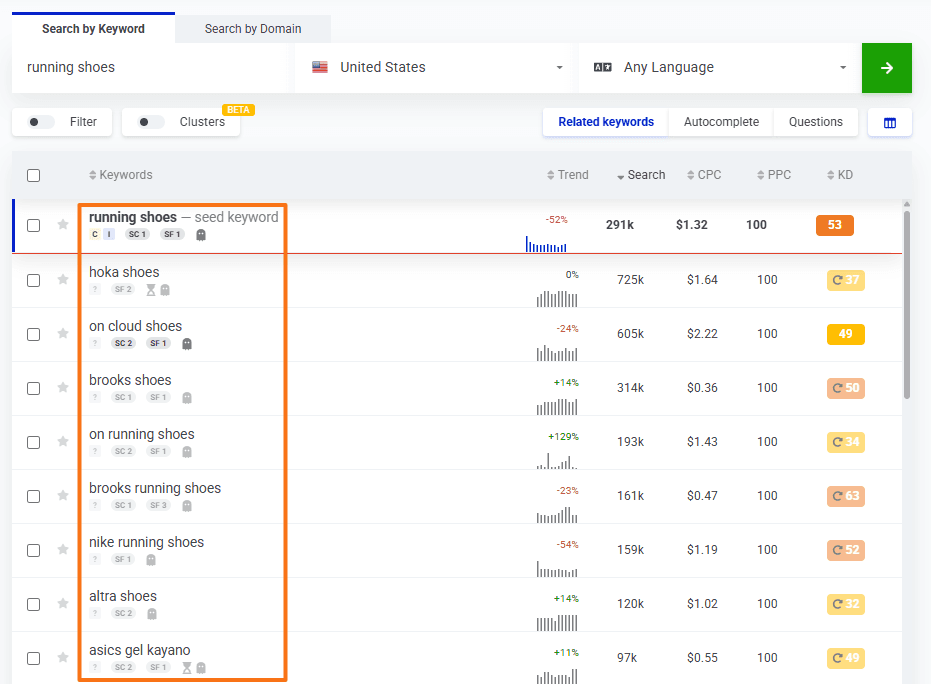
These terms help explain the subject more completely.
The phrase LSI keywords is sometimes used in SEO discussions for contextually related terms, but it is misleading. Latent Semantic Indexing is an older information-retrieval technique, not a documented Google keyword-ranking system. It is more accurate to describe them as semantically related terms, concepts, and entities because they help explain the broader topic and its context.
Google uses BERT to help understand how combinations of words express meaning and intent, while RankBrain helps relate words to concepts and neural matching helps match concepts represented in queries and webpages.
Long-Tail and Modifier Variations
A broad keyword can become more specific by adding modifiers.
For example, running shoes can expand into:
- running shoes for beginners;
- waterproof running shoes for men;
- lightweight trail running shoes;
- Nike running shoes for flat feet.
Modifiers can indicate a brand, product type, feature, audience, location, price, problem, or purchase intent. They often reveal more clearly what the searcher actually needs.
Question Keywords
Keywords can also be expanded into natural questions:
- What are running shoes?
- How long do running shoes last?
- Which running shoes are best for beginners?
- Can running shoes be used for walking?
Question variations are particularly useful for informational content because they represent specific problems that a page can answer directly.
How Keyword Variations Help Optimize Content
Keyword variations are useful because people rarely describe the same subject in exactly the same way. They allow content to cover a topic naturally while addressing different search formulations and levels of intent.
- Match Different Search Phrasings: One person may search for running footwear, while another searches for running shoes. Relevant variations can help a page correspond with different ways of expressing the same information need.
- Add Context and Topical Depth: Related terms can make an explanation more complete. An article about running shoes might naturally discuss cushioning, trail surfaces, gait, waterproofing, shoe brands, and fit rather than simply repeating running shoes throughout the page.
- Address More Specific Search Intent: Adding modifiers can reveal a narrower need. Running shoes is broad, while best waterproof running shoes for beginners communicates product type, feature, audience, and likely commercial intent.
- Support Conversational Search: As multimodal search and advanced search features evolve, people are increasingly using longer and natural-language phrases. Including relevant questions and longer variations can help content answer these needs directly.
- Reduce Unnatural Exact-Match Repetition: Google does not require every possible query variation to appear word-for-word. Its SEO guidance on search terms specifically says Google’s language systems can connect pages with queries even when the exact terms are absent.
This also makes keyword variations different from keyword stuffing. Google defines keyword stuffing as unnaturally filling a page with keywords or repeatedly using words and phrases in an attempt to manipulate rankings.
The practical rule is simple: use the primary keyword where it clearly identifies the topic, and use variations when they make the content more natural, specific, or useful.
How to Find Keyword Variations
Keyword variations can come from search-engine data, keyword tools, SERPs, and the language real customers use.
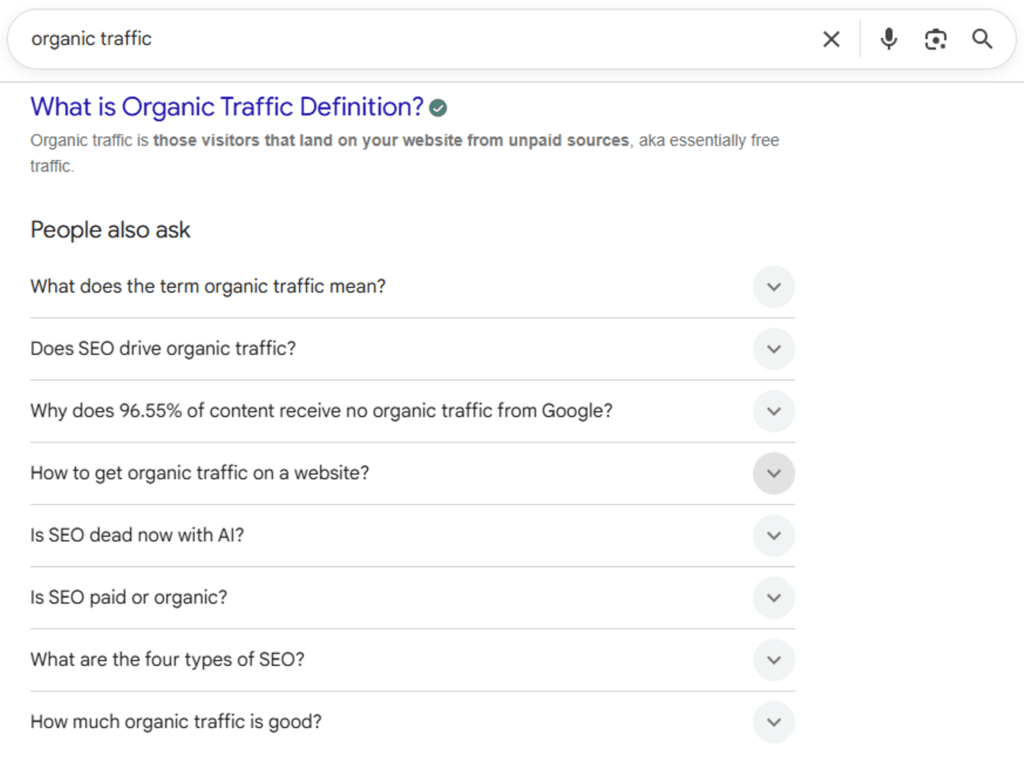
- Google Search Results: Examine People Also Ask questions, related searches, recurring terminology, and the wording used in relevant results. SERP analysis can reveal common subtopics and different ways the search intent is expressed.
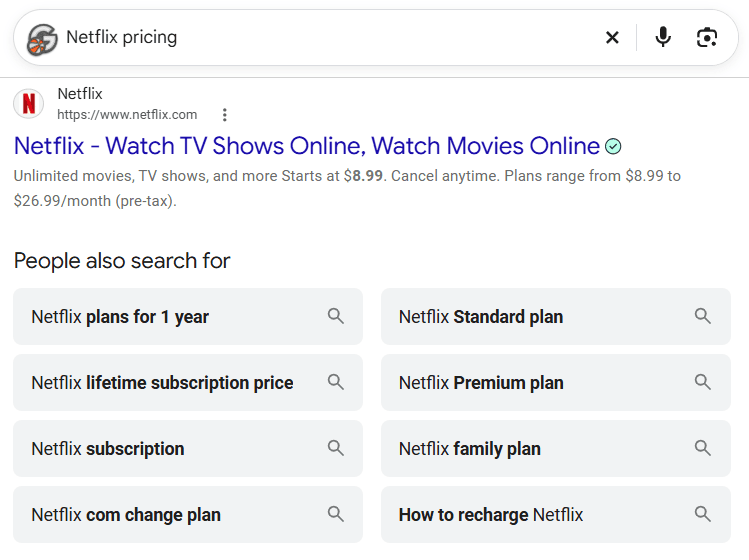
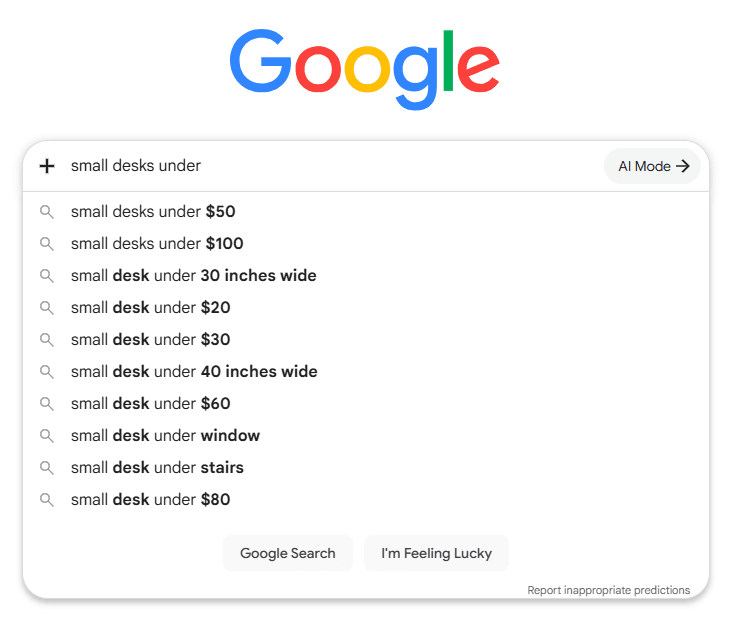
- Google Autocomplete: Begin typing the primary keyword and review relevant predictions. Google says autocomplete predictions are based partly on real searches while also considering factors such as language, location, trending interest, and previous searches.
- Google Trends: Compare alternative keyword formulations and examine Related queries to find top and rising searches. Google Trends also distinguishes between a specific search term and a broader topic, which can be useful when comparing different ways people describe the same concept.
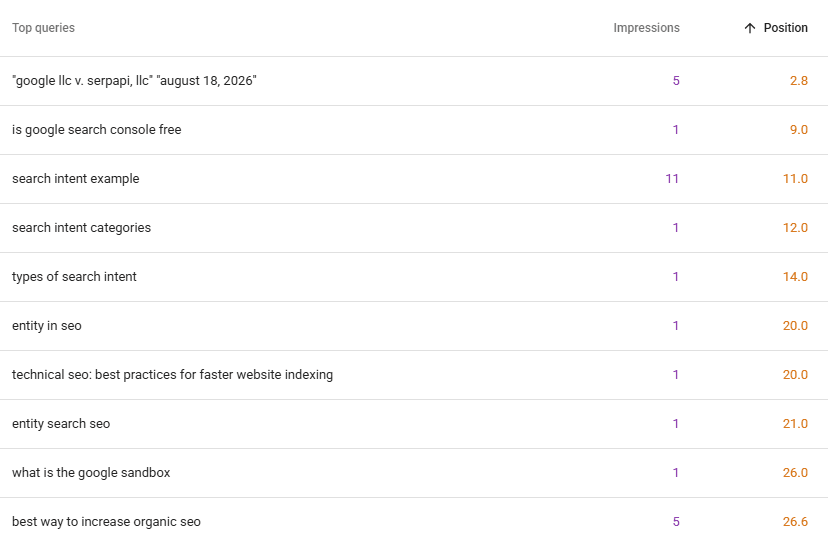
- Google Search Console: Review the Queries tab in the Performance report to see actual searches that generated impressions or clicks for your pages. These queries can reveal keyword variations already associated with the content and identify opportunities for expansion or refinement.
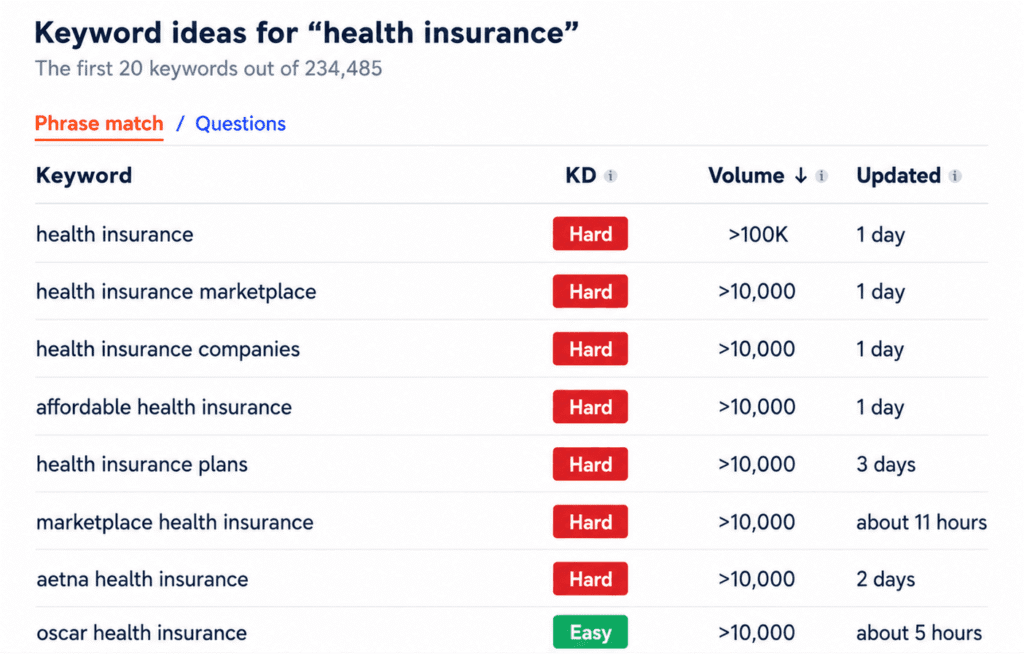
- Keyword Research Tools: Platforms such as Semrush, Ahrefs, Moz, and Google Keyword Planner can surface related keywords, questions, modifiers, search volumes, and competing queries.
- Question Research Tools: Tools such as AlsoAsked and Answer Socrates can uncover common questions surrounding a topic. They should be treated as research sources rather than instructions to create a separate section for every question.
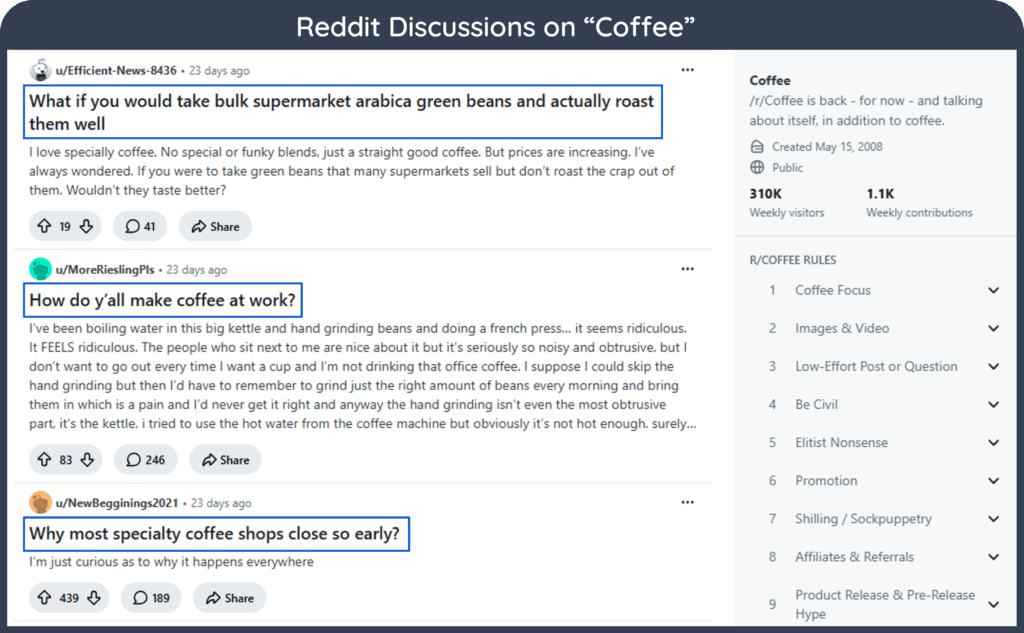
- Forums, Reviews, and Communities: Reviews, forums, Reddit discussions, Q&A sites, and customer-support conversations often reveal the vocabulary people naturally use to describe products, needs, frustrations, and comparisons.
- SERP and Competitor Analysis: Review strong pages to identify concepts, entities, questions, and terminology that may be missing from the planned content. The purpose is to identify useful gaps, not copy another page’s keyword list.
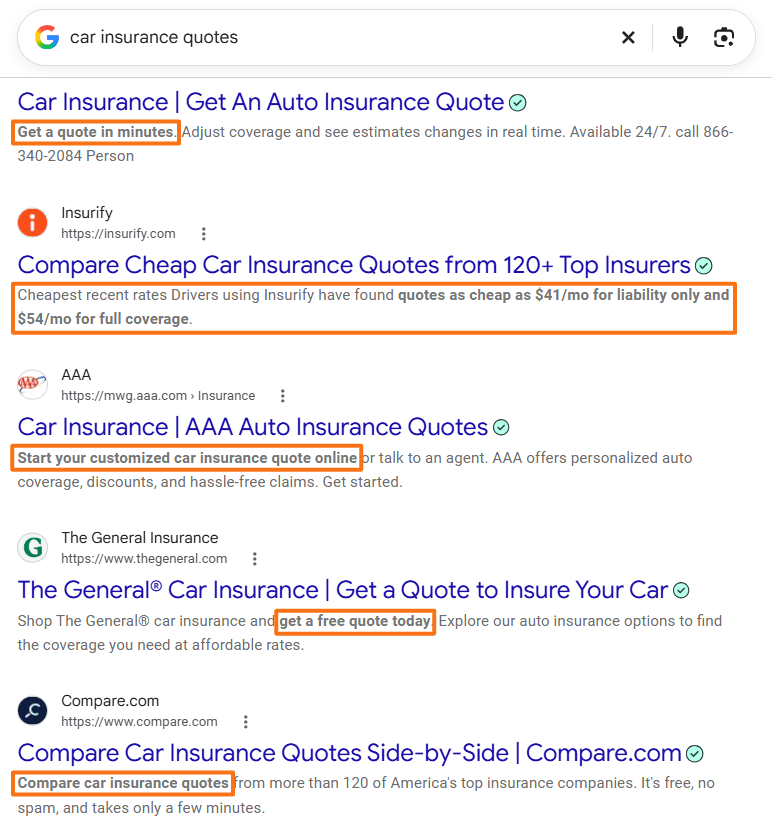
A simple research process is:
Frequently Asked Questions
Does a page need to use the exact keyword to rank?
No, exact wording can still be useful when it naturally describes the topic, but Google says its language-matching systems can understand how pages relate to queries even when the exact search terms do not appear on the page. (Google for Developers)
What are LSI keywords?
“LSI keywords” is an outdated and misleading SEO term. It is more useful to think in terms of related concepts, entities, synonyms, and contextual vocabulary that help explain a topic naturally.
How many keyword variations should be used on a page?
There is no required number or keyword density. Include variations when they improve clarity, relevance, specificity, or coverage of the subject rather than trying to reach a fixed count.
Should every keyword variation have its own page?
No, closely related variations with the same underlying search intent can usually be covered on one strong page. Separate pages make more sense when the queries represent genuinely different topics or user needs.
Can keyword variations help with conversational and AI search?
Yes, indirectly, because natural questions, related entities, and contextual language can help content address a wider range of information needs. The priority should remain clearly answering the topic rather than trying to predict and repeat every possible query formulation.