
Key Takeaways
- Brand voice is the recognizable personality a brand expresses through words across websites, advertisements, emails, social media, and other marketing content.
- Brand voice differs from brand tone: voice remains relatively consistent, while tone adapts to the audience, channel, situation, or emotional context.
- A distinct voice develops through personality traits, vocabulary, sentence style, formatting, rhythm, humor, recurring expressions, and signature phrases.
- Consistent brand voice strengthens differentiation, familiarity, trust, recall, human connection, and scalable content production across digital marketing channels.
Brand voice is the recognizable personality a brand expresses through words. It influences how a business writes website copy, articles, advertisements, emails, social media posts, product messages, and other digital marketing content.
A brand may sound confident, playful, practical, sophisticated, rebellious, friendly, or technical—or combine several of these characteristics. This helps the brand develop a brand persona—the human-like character the business wants to project, including how it speaks, behaves, and relates to its audience.
Brand Persona vs. Buyer Persona
A brand persona describes the human-like personality projected by the brand. A buyer or marketing persona, by contrast, represents a target customer or audience segment and should not be confused with the brand itself.
Brand voice is broader than a slogan or a few preferred words. It develops through vocabulary, sentence style, humor, formatting, recurring expressions, and the way a brand explains ideas or speaks to customers. Apple’s concise product communication, Nike’s motivational messaging, and Duolingo’s playful social presence are recognizable partly because their communication follows distinctive patterns.

Ideally, readers should be able to recognize a brand from the way it communicates even without seeing its logo, colors, or other visual identifiers.
Brand Voice vs. Brand Tone
Brand voice describes the relatively consistent personality behind a brand’s communication, while brand tone describes how that voice changes according to the situation. Mailchimp explains the distinction simply: its voice remains broadly consistent, while its tone changes depending on the reader’s circumstances and emotional state. Its voice and tone guidelines describe a voice that is plainspoken, genuine, conversational, and clear.
For example, a company with a friendly and confident voice might use an enthusiastic tone when announcing a new product, an instructional tone in a tutorial, and a more reassuring tone when responding to a service problem.
In simple terms, brand voice is the consistent personality, while brand tone is how that personality is expressed in a particular situation.
Key Elements of a Brand Voice
Several characteristics work together to make a brand sound recognizable.
- Brand Personality: The voice should reflect a small number of identifiable personality traits. A financial software company might aim to sound knowledgeable and reassuring, while an entertainment brand may be energetic and humorous.

- Vocabulary and Word Choice: Brands often develop preferences for particular terminology, contractions, technical language, humor, calls to action, and recurring expressions. They may also document words or phrases that should be avoided.
- Tone: The underlying personality remains relatively stable, but the tone changes with the context. A playful brand, for example, may reduce its humor when communicating about billing problems or customer complaints.
- Formatting and Rhythm: Short or long sentences, paragraph length, punctuation, capitalization, emojis, headings, and conversational rhythm can influence how a brand sounds. Apple’s current editorial style guide exists partly to maintain a consistent voice across documentation, interfaces, training materials, and other communications.
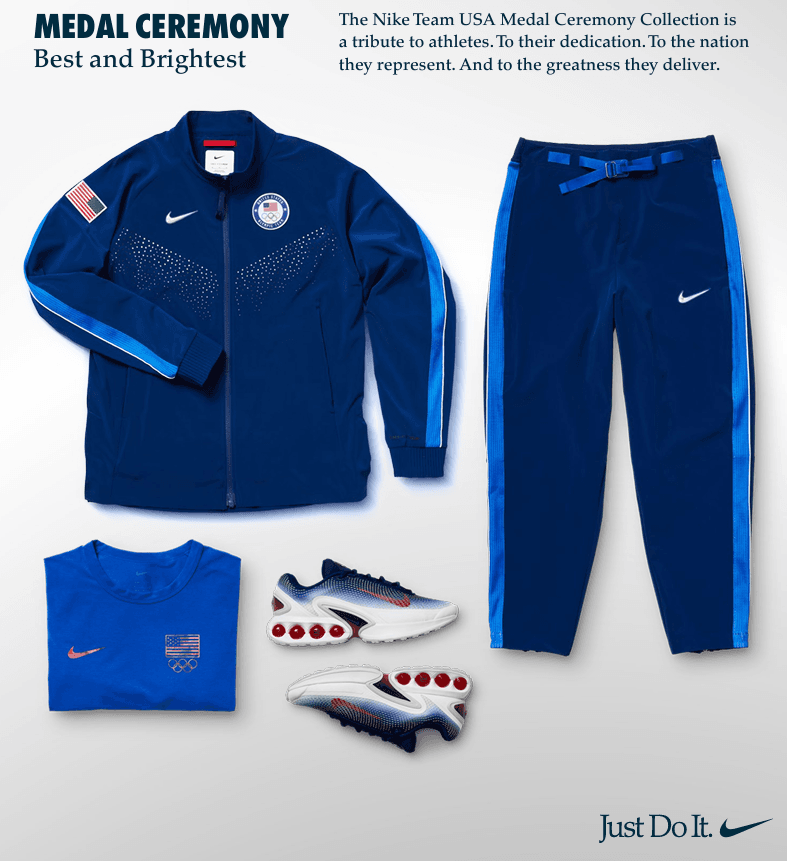
- Signature Words and Phrases: Taglines, memorable calls to action, and characteristic expressions can strengthen recognition. Nike’s “Just Do It” is an obvious example of a phrase closely associated with a broader motivational identity. Such expressions work best when used naturally rather than inserted repeatedly into every message.
- Channel Adaptation: The same brand voice can appear differently in a blog article, LinkedIn post, email, PPC advertisement, landing page, or customer-support conversation. Consistency does not require identical writing everywhere.
What About Visual Design?
Logos, typography, colors, illustrations, photography, and graphic styles belong primarily to visual brand identity, not brand voice. However, the two should reinforce the same personality.

Coca-Cola’s script logo, Nike’s Swoosh, Apple’s logo, and Duolingo’s green owl are instantly recognizable visual assets. A consistent social media theme can perform a similar function digitally by using recurring layouts, colors, imagery, and design conventions alongside a recognizable writing style.

Why Brand Voice Matters in Digital Marketing
A distinct voice helps communication feel connected across different channels rather than appearing to come from unrelated writers or campaigns. It can provide several advantages:
- Cuts Through Noise: Distinctive language can make content easier to notice among large amounts of similar marketing material.
- Creates Differentiation: Competing companies may offer similar products while communicating in noticeably different ways.
- Builds Familiarity and Trust: Consistent communication helps audiences know what to expect from a brand.
- Improves Brand Recall: Recognizable vocabulary, rhythm, phrases, and personality can make communication easier to remember.
- Humanizes the Brand: Natural language, humor, empathy, or opinion can make a business feel less mechanical.
- Creates Connection: A voice that reflects the audience’s interests and language can strengthen relationships over time.
- Scales Content Production: Documented guidelines help employees, freelancers, agencies, and AI-assisted workflows produce content that feels more consistent.
Brand voice therefore becomes particularly important as a business expands its presence across different digital marketing channels such as websites, search, email, social media, and paid campaigns.

How to Find and Develop a Brand Voice
A brand voice does not always need to be invented during one branding exercise. It can begin naturally and become clearer through regular work as a business discovers how it prefers to explain ideas, respond to customers, and create content.
- Start With the Audience: Consider how knowledgeable they are, what terminology they use, how formal the communication should be, and what type of personality would feel appropriate.
- Choose Defining Traits: Characteristics such as clear, practical, curious, and confident are easier to apply consistently than a long list of abstract rules.
- Observe Natural Patterns: As articles, emails, videos, campaigns, and social posts accumulate, look for writing habits, analogies, explanations, or humor that already feel authentic.
- Use Recurring Words and Phrases Carefully: Distinctive punch words, expressions, or taglines can improve recognition, but they should not appear so often that the content feels forced or repetitive.
- Align with Wider Brand Identity: A logo, tagline, typography, and consistent social media design can reinforce the same personality expressed through the brand voice.
- Maintain Editorial Standards: Once the brand voice becomes clear, document it as practical editorial standards that writers, editors, marketers, and other contributors can follow. These standards can cover personality traits, preferred and avoided vocabulary, acceptable phrasing, sentence and formatting conventions, humor, emojis, capitalization, punctuation, and recurring brand expressions. They can also explain how the voice should adapt across channels and situations while remaining consistent in both human- and AI-assisted content.
- Keep the Voice Human: Genuine observations, opinions, practical examples, first-hand experience, and natural sentence construction help preserve the human character of the content.
The objective is to make the brand recognizable across different types of content without making every message sound identical.
Maintaining Brand Voice Across Content and Channels
Maintaining a recognizable voice becomes more difficult as more people and tools contribute content. Editorial guidelines, approved examples, templates, content reviews, and periodic audits can help keep websites, social posts, emails, advertisements, and customer communications aligned.
AI tools can also follow documented brand-voice instructions, but repeatedly inserting the same phrases or sentence patterns can make content sound mechanical. Human review remains useful for deciding whether the writing actually sounds natural and appropriate for the situation.
For international audiences, localization should preserve the underlying brand personality while adapting expressions, humor, references, and wording to the language and cultural context.
Famous Examples of Brand Voice
Some brands are easy to recall not only because of their logos or products, but also because they communicate in a distinctive and recognizable way.
Apple
Apple’s communication commonly favors simple language, focused product benefits, and concise statements. Its editorial style guide explicitly aims to maintain a consistent voice across documentation, reference materials, training, and user interfaces.

Duolingo
Duolingo provides a particularly clear digital example because it publishes its own brand voice guidelines. It defines its voice through qualities including expressive, playful, embracing, and worldly, while allowing tone to change according to the situation.

The company’s green owl, Duo, reinforces that personality visually. Duolingo’s guidelines also show how Duo’s supportive, playful, and expressive character supports the wider brand identity through both visual and written interactions.
Frequently Asked Questions
What is the difference between brand voice and brand tone?
Brand voice is the consistent personality expressed through a brand’s communication, while brand tone changes according to the audience, channel, situation, or emotional context.
Can a brand use different voices on different platforms?
A brand can adapt its tone and execution for different platforms, but the underlying voice should normally remain recognizable. A LinkedIn post may be more professional than a TikTok video without sounding like it came from an entirely different organization.
Can AI maintain a brand voice?
AI can follow documented vocabulary, tone, formatting, and style guidelines, but human review helps prevent repetitive, unnatural, or contextually inappropriate writing. A strong brand voice depends on judgment and consistency rather than simply repeating predefined phrases.