How SEO Works: A Beginner’s Guide to Search Engine Optimization
Key Takeaways
- SEO improves organic visibility by helping search engines understand content, connect it with relevant queries, and attract unpaid traffic.
- Search engines crawl, index, and rank pages, prioritizing content that appears relevant, useful, trustworthy, and easy to use.
- Effective SEO combines on-page, off-page, and technical work, including helpful content, keywords, backlinks, site performance, mobile usability, and crawlability.
- SEO is a long-term strategy requiring clear goals, audience research, content optimization, promotion, measurement, and continual improvement.
SEO or search engine optimization is a digital marketing channel for attracting visitors and customers organically without paying for every click. According to Search Engine Journal, SEO is fundamentally about improving a website’s visibility in organic search results so it can attract relevant traffic from search engines.
In simple words, SEO helps webpages rank better in Google’s search results pages. SEO remains relevant among marketers as 49% of marketers agree that organic search is the best marketing channel in terms of ROI.
In this guide, you’ll learn how SEO works, how Google ranks websites, the major types of SEO and how beginners can start learning SEO from scratch.
Table of Contents
What is SEO?
SEO stands for search engine optimization. It is the process of improving the visibility of a website on a search engine results page when people search for information, products or services online. Apart from websites and webpages, SEO also helps improve the visibility of videos, images and entities like businesses, ideas, people, places and events.
The aim of search engine optimization is simple: help people find you, your company or your website through organic or non-paid search results.
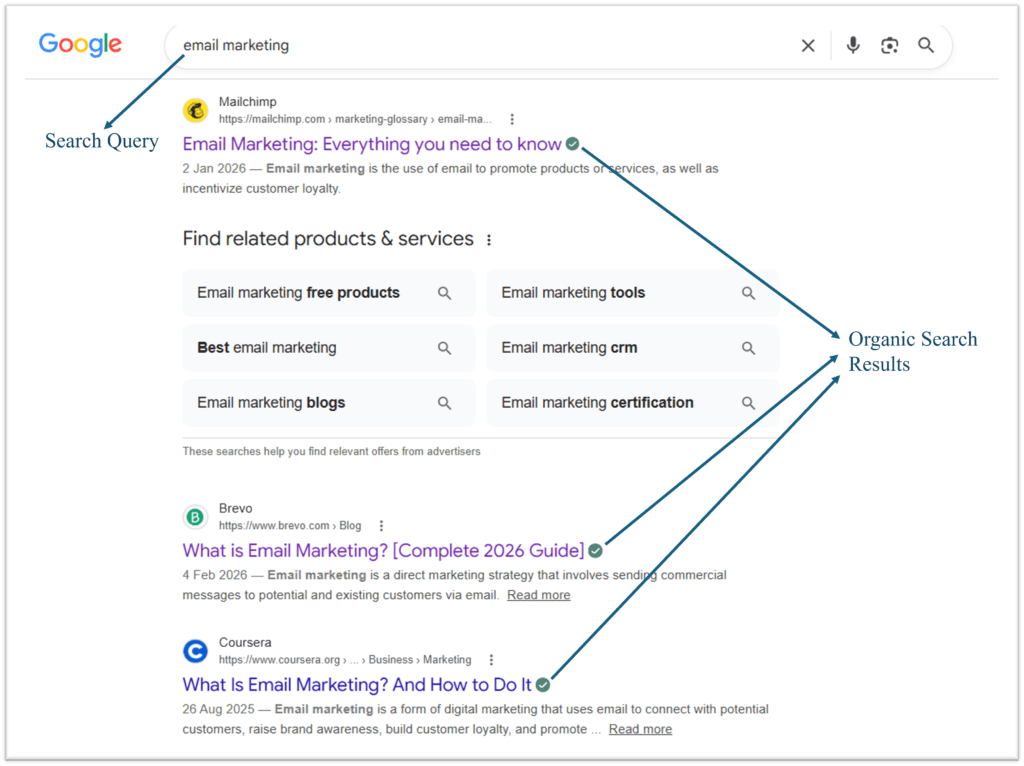
In Google, organic search results are the non-paid or non-sponsored listings that appear naturally in the search results pages. Unlike advertising, you do not pay for every visitor who clicks on your website.
In simple words, SEO helps search engines understand your website so that people can easily discover it. It is extremely important for businesses and creators because a page with excellent content but poor optimization may struggle to reach its full ranking potential.
SEO and the Library
Imagine the internet as an online library. In this ‘library’, every website is a book, every webpage is a chapter, and every search query is a question asked by a visitor.
Now think of Google or any other search engine as the librarian. When someone asks, “How do I start a vegetable garden?”, the librarian does not randomly pick a book.
Instead, the librarian tries to find:
- The most relevant book
- The most trustworthy book
- The easiest book to understand
- The book that best answers the question
The books that satisfy these requirements get recommended first. In the same way, the webpage that best solves the query receives a higher ranking in the search engine’s results page.
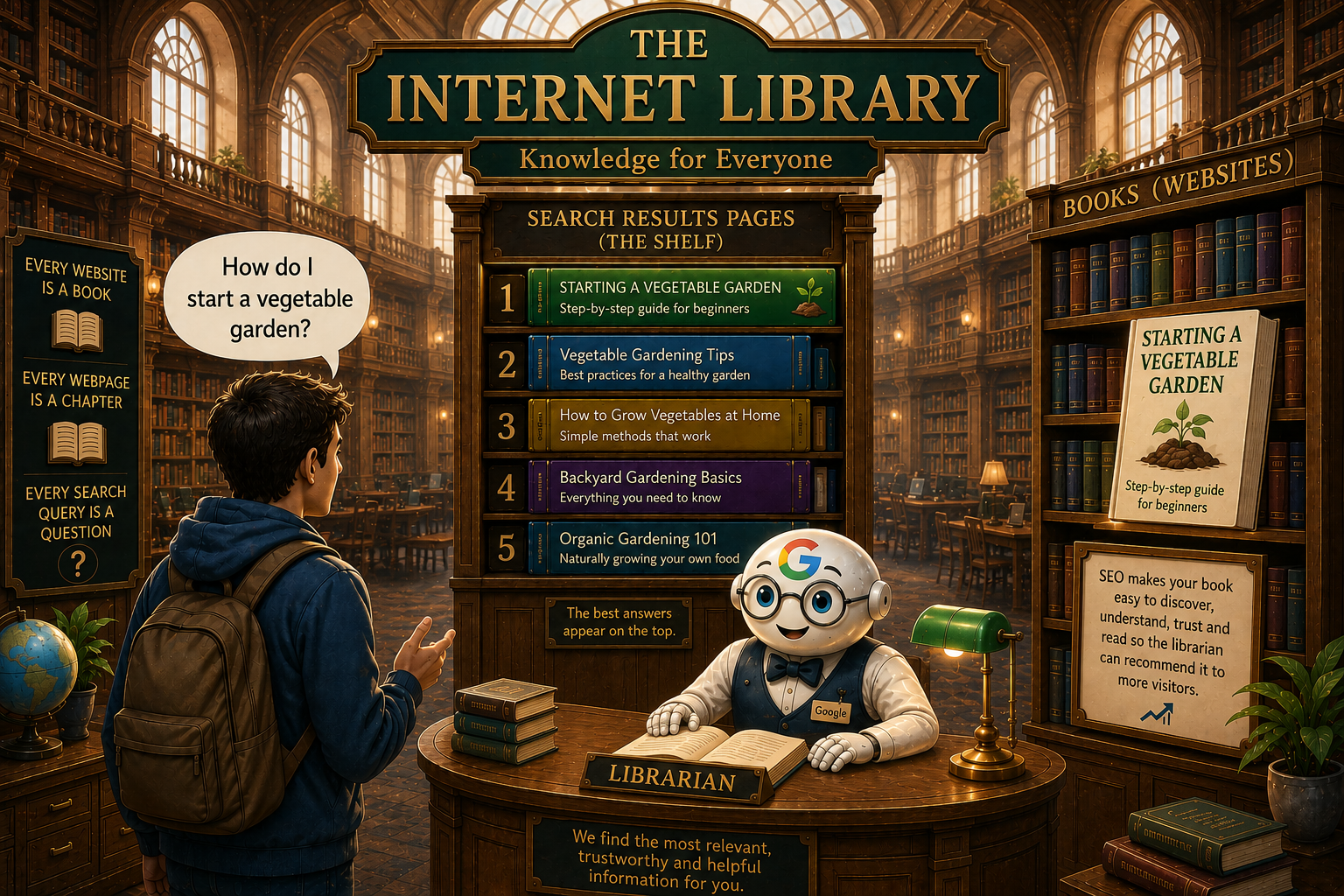
SEO is the process of making your book easier to discover, understand, trust and read so that the librarian, or the search engine, can recommend it to other users. In other words, the more optimized your book is compared to competing books, the higher it will appear on the shelf, or Google’s search results pages.
According to worldwide market-share data, Google held approximately 91.3% of the global search-engine market in June 2026. Bing, Yahoo, Yandex, DuckDuckGo and Baidu accounted for most of the remaining share.
Why Does SEO Matter?
Billions of searches are performed online every day. People search for information, news, local shops, tutorials, products, services, reviews, businesses, etc. When your website appears in one of the first few search results pages, you get an opportunity to attract visitors actively looking for a solution. SEO simply helps you attract traffic to your website. A well-optimized website with well-structured and helpful pages can continue to attract traffic for months or even years after the content is published.
SEO also helps businesses get leads and convert them into sales.
People often use search engines to find solutions to problems. When they visit a product page, or the company’s website, they show interest in its products and become valuable leads. SEO helps businesses optimize their website and content so that people looking for solutions can be properly guided to the product pages.
Apart from traffic and sales, SEO also helps improve brand or content visibility and establish trust among loyal audiences.
SEO vs Paid Search
Some beginners often get confused between SEO and paid advertising. Although both SEO and paid ads drive traffic from search engines, they are completely different. SEO, for example, is primarily about earning traffic through strategic and planned efforts over a long period of time. It involves focusing on organically ranking for keywords.
In paid search, traffic is purchased and results can be immediate. In this online marketing channel, you need to pay a higher cost for competitive or difficult keywords. In other words, it involves paying for clicks to bring website traffic.
You can easily understand the difference between the two through a simple example.
Think of paid search like renting a billboard. The billboard can help attract visitors to a shop quickly, but once the shop owner stops paying, traffic generated by the advertisement stops.
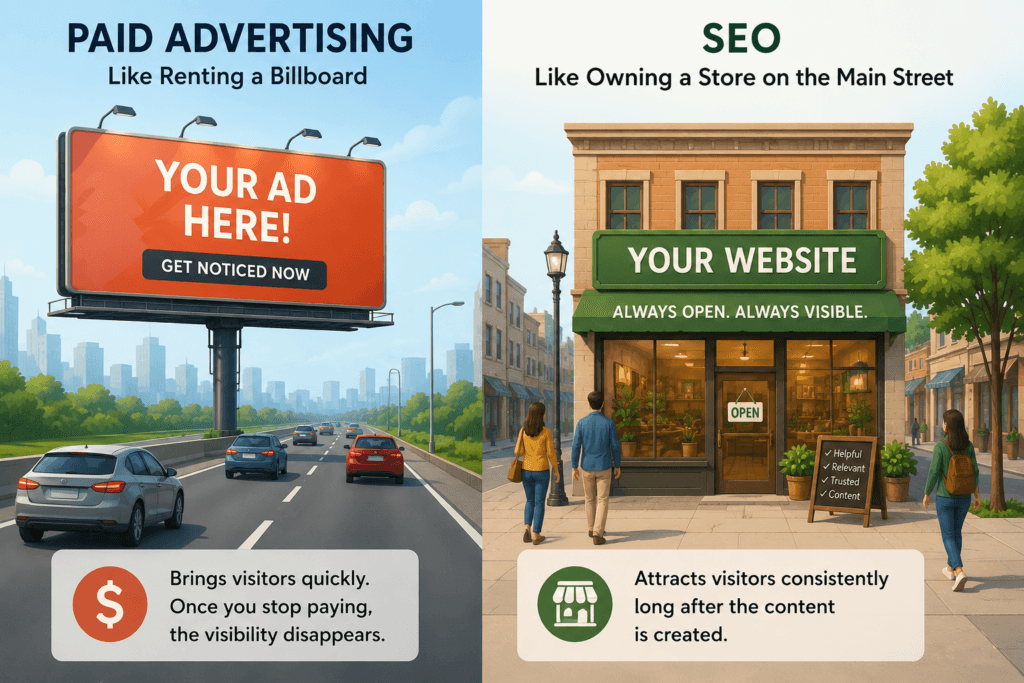
On the other hand, search engine optimization is more like owning a store on the main street. The store, like a well-optimized website, can continue attracting visitors for a very long time.
How SEO Helps You Get Traffic, Leads and Customers?
Apart from businesses, SEO creates opportunities for bloggers, creators and freelancers.
For Businesses
A local business can use SEO to appear in local searches such as “coffee shop near me”. Similarly, a software startup can use SEO to expand into new markets and promote growth.
For Bloggers and Content Creators
Search engine optimization helps creators take their content such as blogs, videos and podcasts to a larger audience. It helps bloggers get more website traffic, which eventually translates to more advertising revenue, more sponsorship opportunities or more affiliate income.
For Freelancers
Freelancers can use their SEO skills to help online businesses with keyword research, content creation, local SEO, website optimization and SEO audits. Similarly, job seekers can get ample SEO career opportunities such as SEO executive, SEO manager, content strategist and digital marketing manager.
How Search Engines Work?
Online search is increasingly used by young people for information, education and product research. About a third of internet users aged over 16 discover new brands, products, and services through search engines. This is what makes search engines highly valuable from a business and digital marketing perspective.
It is therefore important to understand how search engines work, and how they help well-optimized sites rank higher in the search results pages.
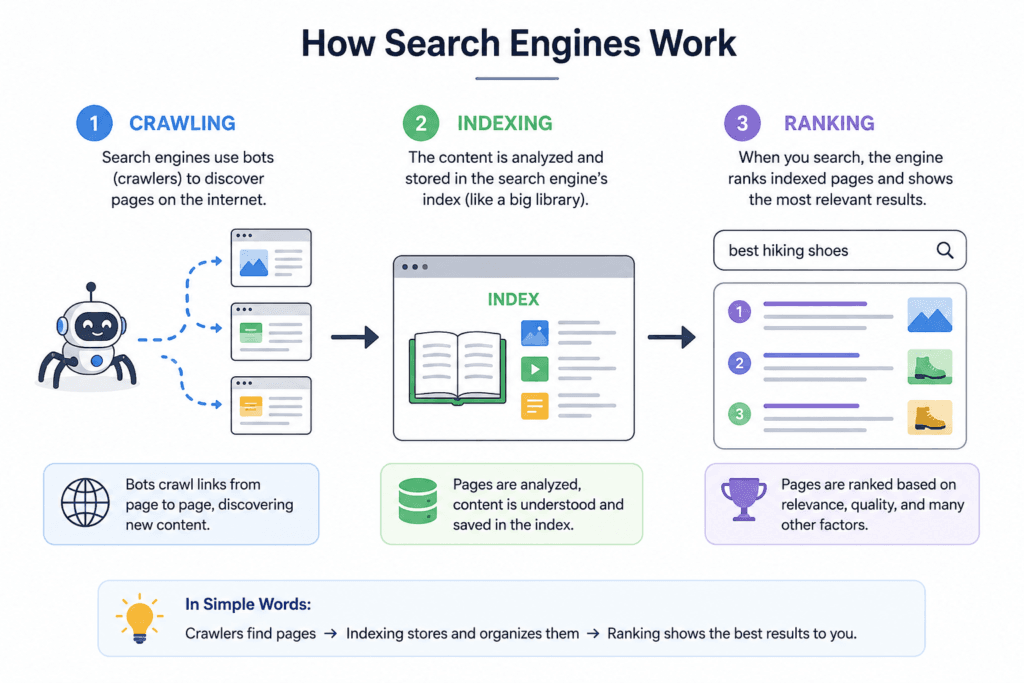
To begin with, search engines have one primary goal: Help people find the best answer or the best solution to their queries or questions. To help people in finding the best answers, search engines such as Google and Bing follow a process that can be divided into three major stages:
- Crawling
- Indexing
- Ranking
The Search Process
Google broadly describes search as involving crawling, indexing, and “serving search results“. Ranking takes place during the serving stage, when Google selects and orders pages relevant to a query.
Once the website is created, Google finds it through crawlers or spiders. After the website is crawled, Google indexes the website by storing information about it. After this, Google evaluates the website to decide how the website and its pages should rank for a query. Thus, when a user enters a search query, Google ranks pages from different websites according to how well they answer the query. These organic rankings help users find the website.
Crawling
Imagine a librarian looking for new library books recently purchased by the owner of the library. Before keeping the books in the relevant shelves, the librarian has to first get hold of the new books and gather information about them.
Search engines like Google do something similar. They use automated programs called crawlers or spiders to find new websites and webpages on the internet. These crawlers discover new pages by moving from page to page through links. When a new webpage is discovered, the search engine reads the page’s content to gather information about it.
Crawling involves discovering and accessing new or updated webpages so that their content can be processed. Without crawling, Google or Bing can never know your website exists.
Indexing
After search engines discover a page, they must decide whether to store information about it. This process is called indexing. Indexing of webpages is similar to adding a book to the library catalog. When search engines index a page, they store information about it so that it can appear in search results later. Pages that are not indexed cannot rank or appear in the search results.
To put it simply, indexing refers to storing and organizing webpages so that they can appear in search results.
Ranking
Once pages are indexed, search engines decide which pages should fill the top slots in the organic results.
Imagine a visitor asking the librarian for a book on fruit trees. The library has 20 books on the topic. In this case, the librarian has to decide which book to recommend first. Search engines do something similar when they rank webpages in the search results for a query. They evaluate pages using numerous ranking systems and signals. The pages that seem most helpful, trustworthy and relevant are ranked higher.
To put it simply, ranking is all about search engines deciding which pages should appear first in search results.
Among the three, ranking is extremely important from the business point of view. This is because the top-ranking page in Google’s non-paid search results has an average CTR of 27.6%.
Search Engines and SEO
The internet has billions of webpages. Google reports processing more than five trillion searches annually, equivalent to a minimum average of approximately 13.7 billion searches per day. Without search optimization factors such as clear content, logical structure, crawlable links and reliable information, search engines would find it extremely hard to understand:
- What the page is about
- Who is it for
- How reliable it is
- How helpful it is
- How useful it is compared to competing pages
In other words, SEO helps search engines connect users with the most relevant content. A webpage that is well optimized for search results for a keyword or a set of keywords has a greater chance of ranking higher in the search results pages. And a higher ranking, in turn, helps drive traffic, leads, customers and business growth, as an increasing by single position in Google’s SERP increases relative CTR by 32.3%.
How Search Engine Optimization Works?
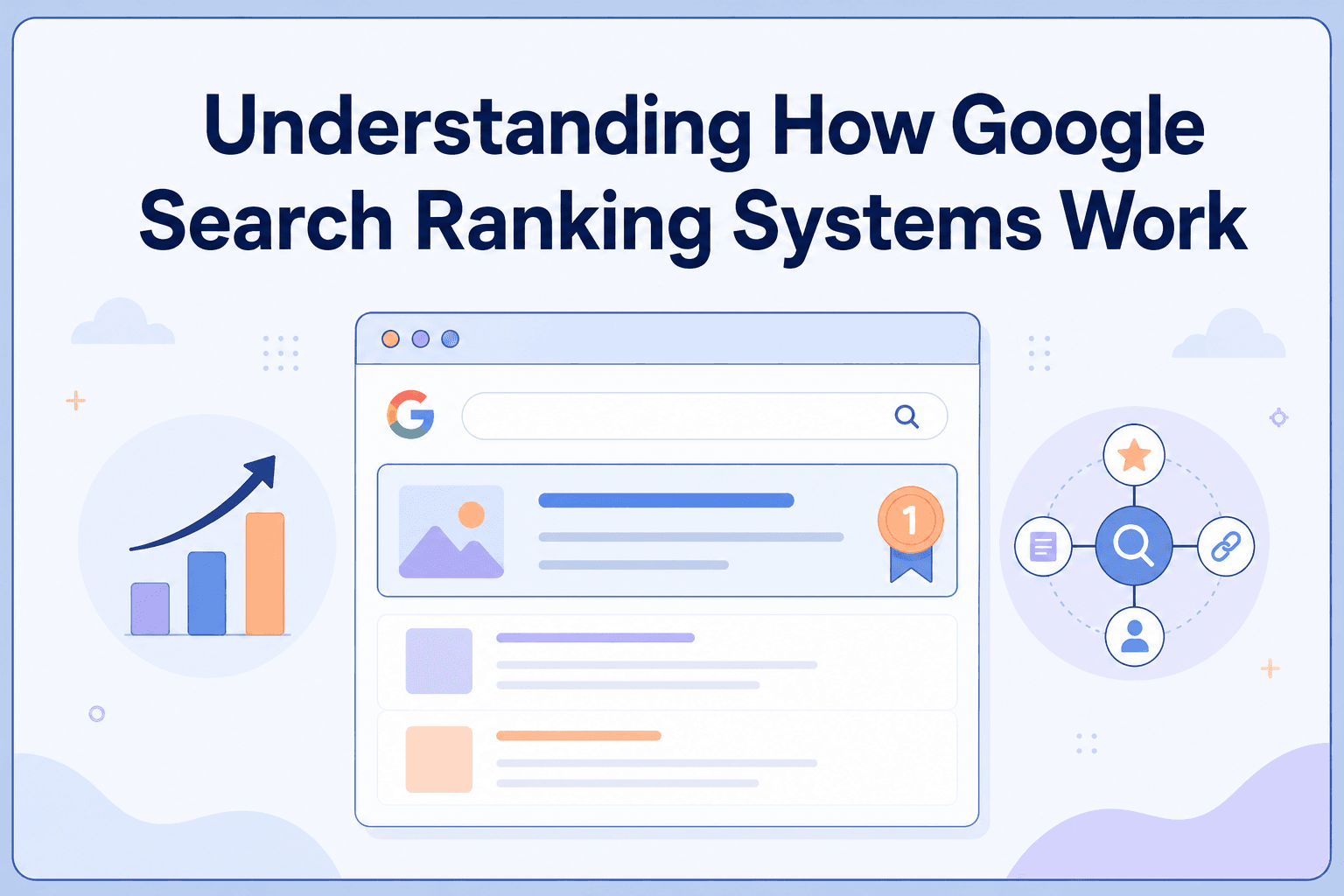
SEO or search engine optimization helps search engines understand that your webpage content offers a useful answer to a person’s search query. It is important to note here that the search engine’s goal is not to reward or rank websites, but to satisfy users. Google’s ranking systems evaluate many signals to identify pages that appear relevant, useful and reliable for a particular query and context.
To put it differently, Google displays the most helpful answers for a search query as the top results. And to help your website and webpages rank better, you need SEO.
A simplified way to understand ranking is to consider four broad areas:
1. Relevance: Does the webpage match the search intent of the user?
2. Quality: Does the content answer the query properly? Is it original and useful?
3. Trust: Is the website reliable and trustworthy?
4. User Experience: Is the page user-friendly?
To rank higher on the search engine’s results page, one must offer useful content, target relevant keywords, demonstrate trust and authority, and provide good user experience. One must also keep in mind that Google’s algorithms are far more complex. They include many other technical factors, some of which are discussed below.
How Google Ranks a Page?
Suppose you own a shoe store. You publish an article “Best Running Shoes for Beginners” on your website. Later, when a person searches, “best running shoes for beginners”, Google has to decide which pages to rank in the first few search engine results pages. Given the popularity of running shoes, the search engine would have to go through thousands or even tens of thousands of pages on running shoes.
To rank the most relevant pages, Google asks several questions:
- Is the webpage or content primarily about running shoes?
- Does it discuss running shoes for beginners?
- Does the page answer common questions?
- Does it cover features, benefits, pricing, and buying options?
- Does the author demonstrate expertise?
- Do other websites reference its webpages?
- Is the content reliable and accurate?
- Is the content easy to read?
- Do webpages and images load quickly?
- Is the website mobile-friendly?
- Is the website well-structured?
Search engines often prefer websites providing better user experience.
What is E-E-A-T?
Google’s E-E-A-T concept broadly covers these questions and gives a rough idea about how search engines rank pages and how creators should create content.
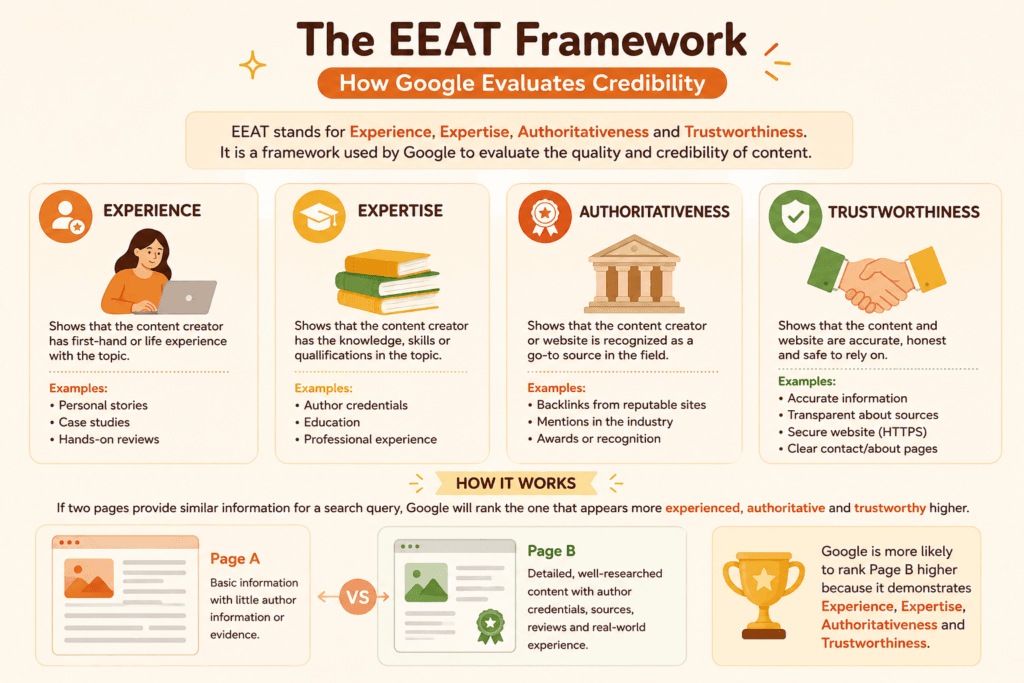
E-E-A-T stands for experience, expertise, authoritativeness and trustworthiness. It is a framework used in Google’s Search Quality Rater Guidelines to assess whether search results demonstrate credibility and value. E-E-A-T is not a single ranking factor, as Google’s systems use multiple signals that may align with these qualities. The framework is particularly relevant to topics involving health, finance, safety, law and other major life decisions.
Important SEO Considerations
Google uses numerous ranking systems and signals to evaluate and order search results. Important considerations include:
- Keyword Optimization: Keyword optimization involves the use of relevant keywords at important places to help search engines understand what the website or webpage is about. It is generally suggested to use the main keyword in title, introduction, conclusion and one or more sub-headings.
- Backlinks: Backlinks, or links from other websites, give authority to webpages and the website. Relevant, editorially earned links from reputable pages or domains can help search engines understand a page’s importance and relationship to other content.
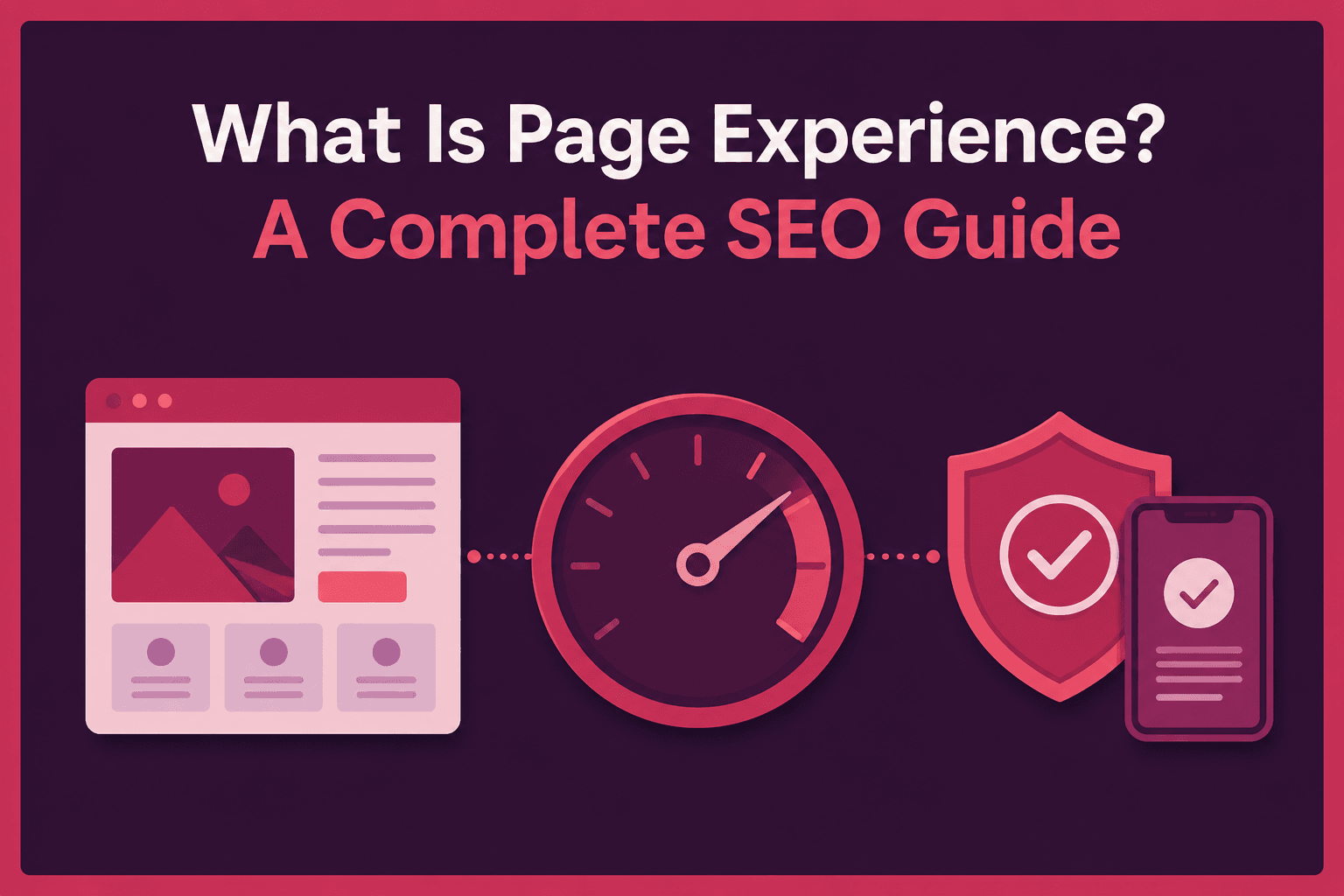
- Technical SEO: Technical SEO covers the technical aspects of your website, including the website speed, crawlability and mobile-friendliness. It is important to ensure that the website is technically sound so that Google can easily understand and index your content.
- Content Quality: Content is an important SEO factor. Search engines tend to prefer high-quality, informative, well-structured, easy-to-read and relevant content.
- User Experience: User experience or UX is a measure of how easy and enjoyable your website is for the users. A good user experience can support stronger search performance by making a website easier to navigate, use, and engage with.
- Schema Markup: Schema markup is structured data that provides explicit information about a page. It can make eligible pages available for certain rich-result features, but it does not guarantee a rich result or higher organic ranking.
- Social Signals: Social media can support SEO indirectly by expanding content distribution, generating referral traffic, increasing brand visibility, and creating opportunities to earn links and mentions.
- Brand/Website Reputation: The overall perception of your website and brand value is also important. Hence, it is important to have a well-maintained Google Business Profile, organic user reviews and positive social engagements.
Apart from these, Google also considers many other factors. For example, an Ahrefs page-age study found that 72.9% of pages appearing in Google’s top 10 were more than three years old. However, this is a correlation rather than evidence that Google doesn’t rank new pages higher in its search results. The data simply shows that organic SEO results require constant and consistent efforts that take time.
Similarly, updating outdated content can improve accuracy, usefulness, and search performance when the revisions meaningfully address current user needs.
Search Intent: The Secret Behind Rankings
Search intent, or the reason behind a search, is an important SEO concept. A search for “laptop” is very different from a search for “best 15-inch laptops”. A person searching for a “laptop” may just want to know what a laptop is and how it works. But a search with additional terms like “best” or “deals” may show buying intent on the part of the user. When the user searches for “best 15-inch laptops”, Google may not rank pages that merely provide the definition and describe the components of a laptop. Instead, it would rank pages with product purchase options higher.
Search intent is normally divided into four categories:
1 Informational Intent
Informational intent includes searches such as “How do electric cars work?” In this case, the user is looking for pages that explain how electric cars function.
2 Commercial Intent
Commercial intent includes searches such as “best electric cars”. Here, the user intends to compare features or check prices and affordability.
3 Transactional Intent
Transactional intent indicates that the searcher wants to complete an action, such as purchasing a product, booking a service, downloading a file, or registering for an account. In these cases, the user may have already conducted research and finalized a purchase decision. For example, the query “Tesla electric car booking online” clearly demonstrates a strong transactional intent.
Here, the user wants to purchase something.
4 Navigational Intent
These include searches where the user wants to visit a specific website. For example, “LinkedIn login”.
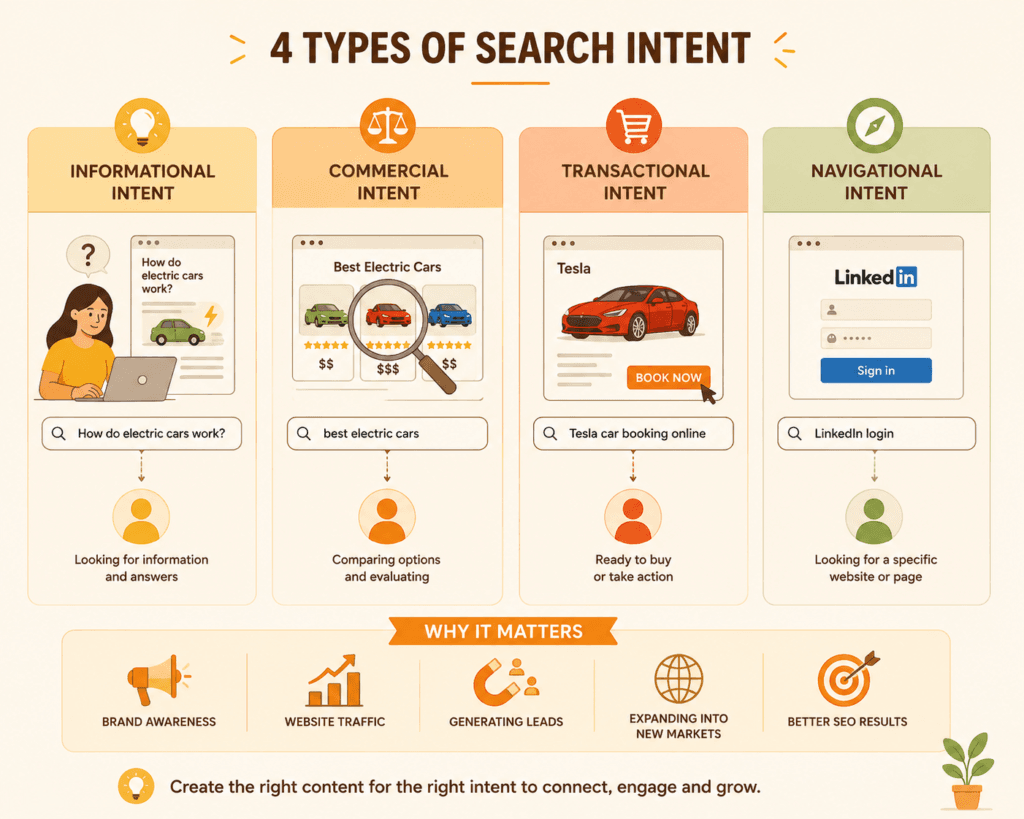
For bloggers, creators and businesses, it is important to produce and curate content according to search intent. Understanding this aspect of search engine optimization is extremely important for brand awareness, website traffic, generating leads and expanding into new markets.
How Keywords Help Search Engines?
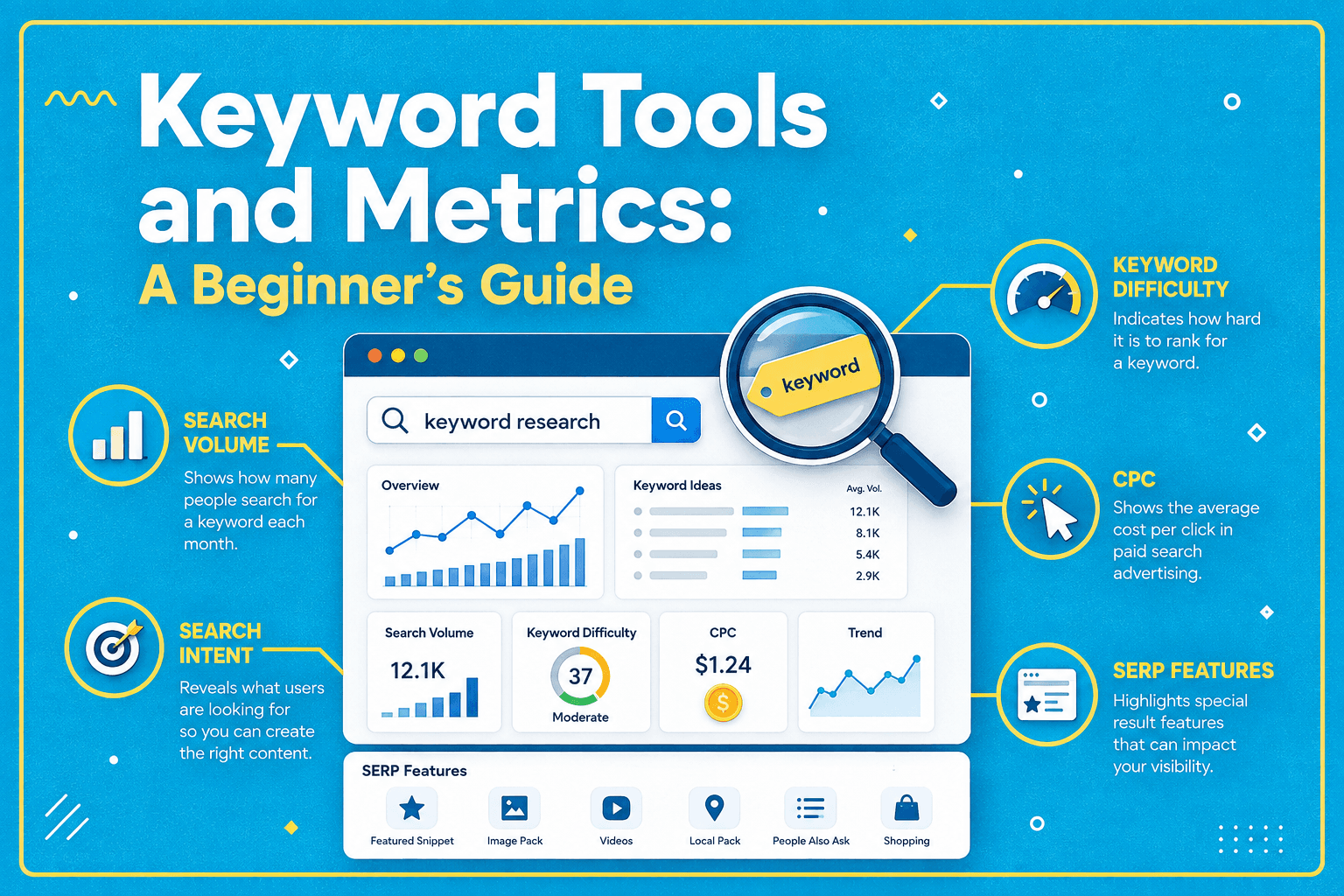
A keyword is a word or phrase marketers use to research demand, plan content or optimize a page for related searches. It is different from a search query, which is the exact wording a person enters into a search engine. Keywords help structure different pages of the website and allow you to implement the hub and spoke content model.
For example, if “car” is the main keyword in the hub page or the main category pages, then spoke pages can have keywords such as “electric cars”, “diesel cars”, “petrol cars” and “hybrid cars”. Building webpages this way makes the website easy to navigate and signals the search engines that the website is well-structured.
Furthermore, keywords can be short or long, depending on the number of words used in the keywords. For example, long-tail keywords, which are generally more specific and have lower search volumes, face less competition and are therefore easy to rank for. About half of search queries on Google contain four words or less.
In short, keywords help search engines understand what a page discusses. At the same time, it is important to keep in mind that modern SEO is no longer about repeating keywords dozens of times.
Why Content Matters?
If SEO is the engine of digital marketing, then content is the fuel without which the engine cannot run. Content can include blog posts, videos, guides, product pages, research reports, infographics, case studies, tutorials and landing pages.
The main idea behind content creation is solving problems. Even in cases where the solution already exists, the idea should be to offer a unique angle or a point of view that genuinely adds value to the solutions being offered.
How SEO Creates Traffic and Helps Increase Revenue?
From the business point of view, the ultimate goal of SEO is to drive traffic, generate leads and convert leads into sales to increase the company’s revenue.
The route to revenue, however, is not direct, as one needs to target not just the sales-ready traffic, but also build reputation, solve problems, increase brand awareness, keep the audience well-informed and offer value. This is where SEO comes in. It begins with keyword research based on market trends and buyer persona.
Then comes the content creation part, which involves articles, social media posts, images and infographics. After this, the pages are optimized to help search engines find, index and rank them. If the brand is reputed, the content is helpful and reliable, the pages are well-optimized, and the website is user-friendly and easily navigable, then the chance of ranking high on search engine results pages increases. This helps users find the website, visit its pages, and get the required information or solutions. If they feel that the products are worth the price, they may purchase it and become customers.
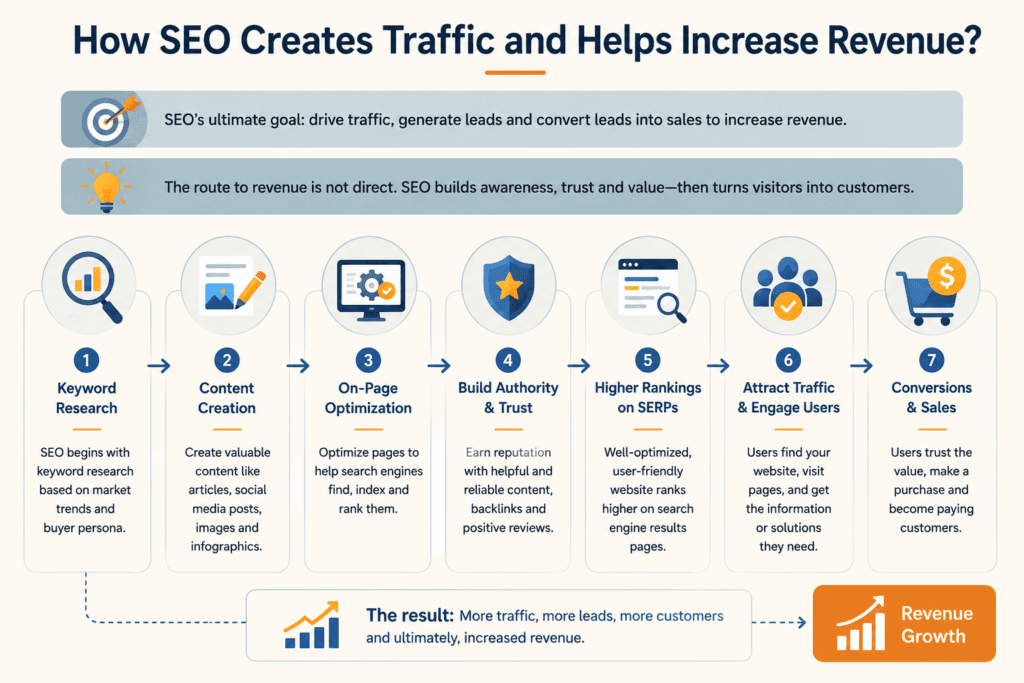
In other words, businesses see SEO as a long-term marketing strategy that focuses more on helping users, building trust and reputation, and delivering value. The goal here is not just to rank pages, but to attract qualified visitors who could become subscribers or customers if they get value for their time and money.
Three Pillars of SEO
Search engine optimization involves many parts, but these activities broadly fall into three major categories:
- On-Page SEO
- Off-Page SEO
- Technical SEO
You may use the analogy of a house to easily understand the three pillars of SEO.
In the house, on-page SEO is like the interior, which includes furniture, curtains, kitchenware, wardrobes, study area, dressing area, etc. Off-page SEO is your reputation in the neighborhood and locality. If you have good bonding with your neighbors and locals, they will often visit your house. The third – technical SEO – is the woodwork, plumbing and electrical fittings needed to keep your house up and running.
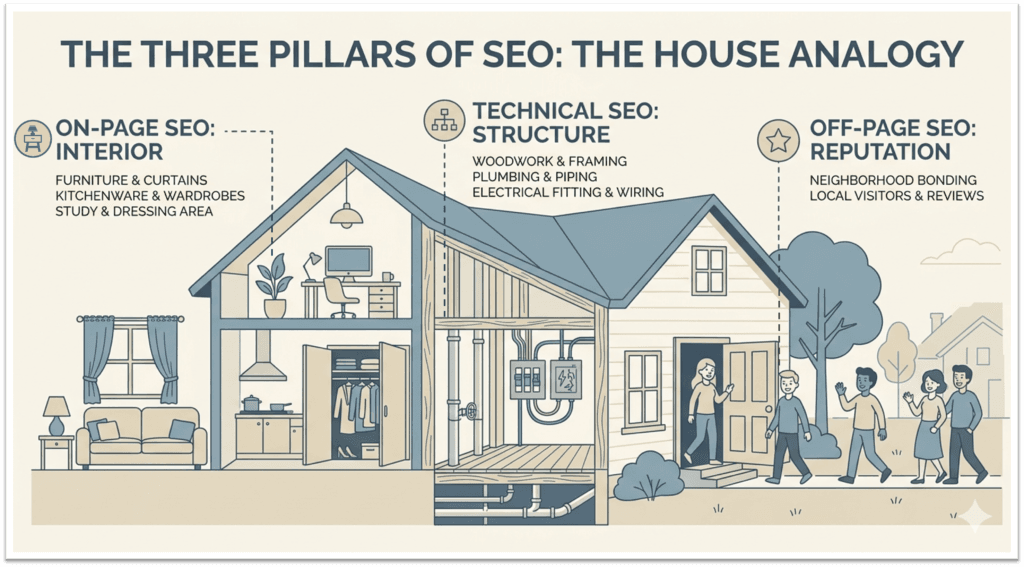
All three pillars are important to optimize your website so that it can rank higher in the search engine results pages.
On-Page SEO
On-page SEO covers the content and HTML elements that website owners can directly improve on individual pages. It includes keywords, content, headings, title, internal links, images, meta descriptions, E-E-A-T framework, file names, file sizes and URLs.
In other words, it covers everything you can directly control on your webpages. This helps both users and search engines understand what your content is about.
Some of the important on-page elements include:
Keywords: These help search engines understand topics and relevance.
Content: Useful and reliable content solves problems and directly answers questions.
Headings and Title: Headings and titles help organize content using logical sections.
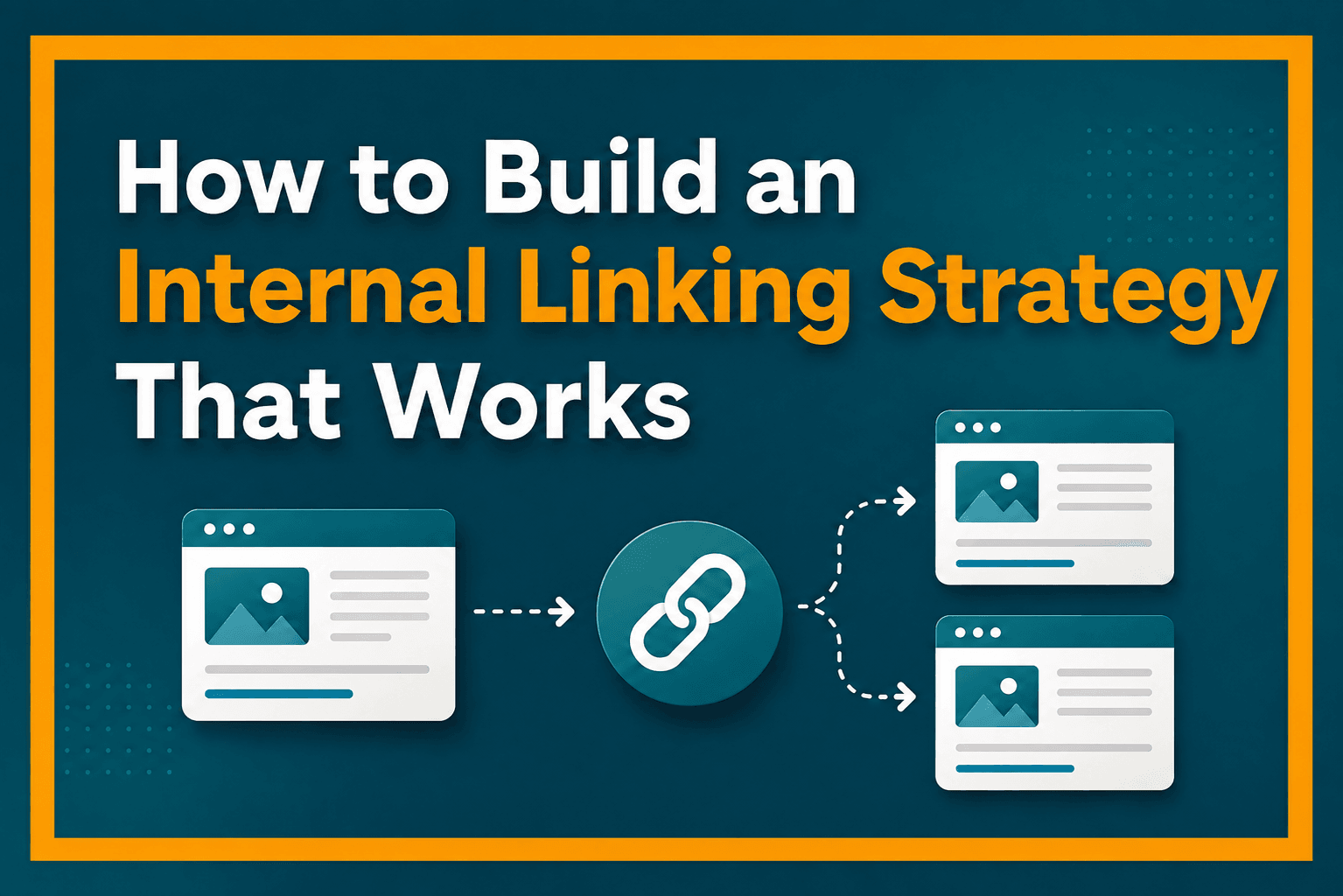
Internal Links: Internal links connect related pages within the website.
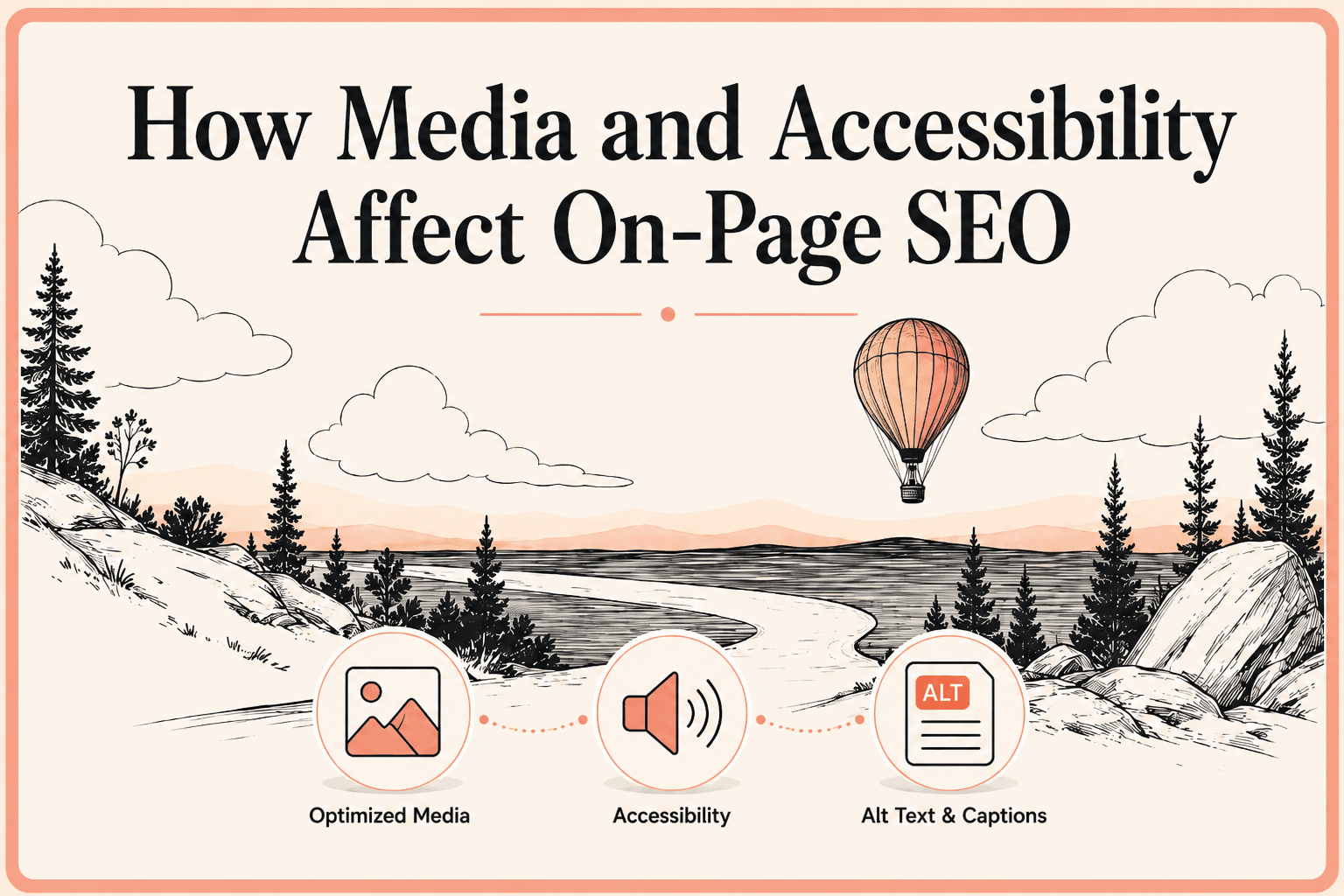
Images: Images serve as supporting content and enhance user experience if they are placed correctly, feature proper captions and have alt text describing the image.
Meta Descriptions: A meta description is a short summary that appears below the page link in the search engine results. Meta descriptions are not a direct ranking factor but serve as an important “sales pitch” to increase click-through rate and drive website traffic.
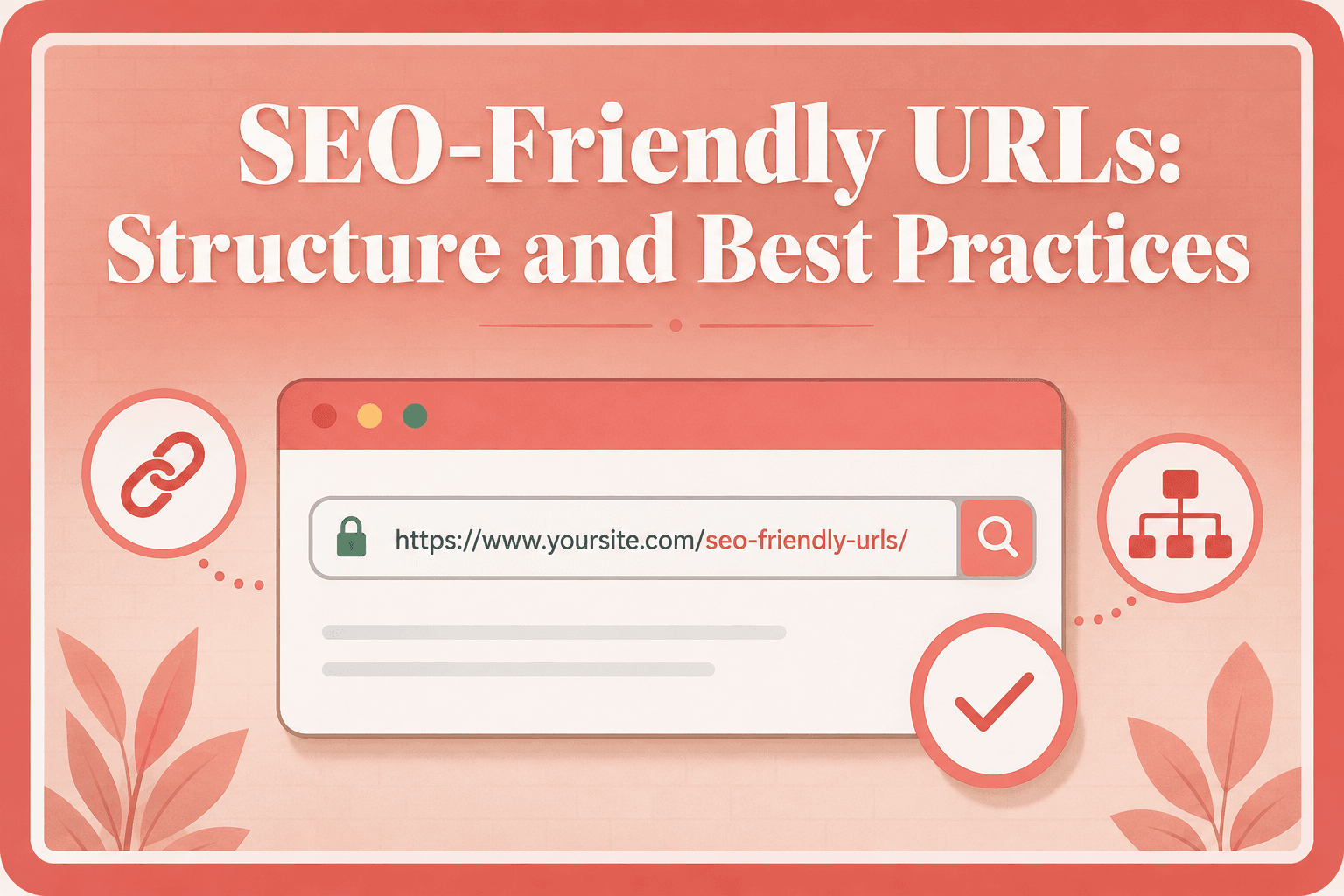
URLs: URLs must be clean and convey what the page is all about.
Off-Page SEO
Off-page SEO refers to ranking and traffic signals emanating from outside your website. They help Google determine the website’s trust and authority. Off-page SEO is based on a simple idea that the more trusted the business or the website is, the easier it becomes to earn visibility on search engine results pages.
Some of the important off-page factors include:
Backlinks: These are links to your pages from other websites.
Brand Mentions: Brand mentions are references to your company or website across the web.
Reviews: These include customer feedback, especially for products, services and local businesses.
Authority: Some third-party tools use metrics such as Domain Authority and Domain Rating, but these are not Google metrics. Authority or rating largely denote the company’s or website’s overall reputation within your industry.
Technical SEO
Technical SEO helps search engines access, understand and evaluate your website. Technical SEO is rarely noticed when the website works properly. It becomes noticeable when the website begins to malfunction.
Important technical SEO factors include:
Site Speed: It is important to ensure that the website and images load quickly and seamlessly for a better experience.
Mobile SEO: Website pages should work well on smartphones and tablets. This is particularly important as mobile devices accounted for approximately 52.57% of global web usage in July 2026.
Internal Linking: Internal links connect related pages, help users navigate the website, and give crawlers paths for discovering additional content.
Crawlability: Crawlability describes how easily search engines can discover and navigate a website’s pages.
Site Structure: Using a logical hierarchy while organizing the website pages and content helps search engines understand your website.
Redirects and Broken Pages: It is important to manage permanent and temporary redirects and fix broken links from time to time.
Security: HTTPS, a confirmed Google ranking factor, encrypts data exchanged between a user’s browser and the website, helping protect the connection.
SEO Strategy, Metrics and Tools
A successful SEO strategy targets queries that are relevant not only to the audience but also to the website’s purpose and business goals. To deliver results, SEO should be seen as an ongoing process requiring a well-planned, long-term strategy.
SEO Strategy
Given the vast range of on-page, off-page and technical aspects of SEO, it is important to first begin with a goal and then plan and coordinate efforts accordingly.
Step 1: Define Your Goal
SEO strategy should begin with a simple question: What am I trying to achieve? Is it more traffic, more leads, more sales, more subscribers or more local customers? A clear goal helps guide your strategy.
Step 2: Understand Your Audience
A good understanding of the audience or ideal customer profile makes content clear and more effective. Hence it is important to ask:
- Who am I trying to reach?
- What questions are they asking?
- What problems do they want solved?
Step 3: Research Keywords
Based on your understanding of the audience or potential customer, you can identify the topics people in your niche are searching or discussing. It is therefore important to conduct thorough keyword research to understand their questions, problems, interests and intent.
Step 4: Create Helpful Content
After discovering the key topics, you can begin developing content that genuinely helps your audience. During the content creation phase, the focus should be on solving problems rather than attracting clicks or generating leads. Helpful content often performs better over time.
Step 5: Optimize Your Content
It is important to optimize your content, titles, headings, internal links and images. Well-optimized content helps search engines understand your content properly.
Step 6: Promote Your Content
After publishing, it is important to promote your content through social media, email newsletters, online communities and industry networks. Promotion can improve visibility and help earn high-quality backlinks.
Step 7: Measure and Improve
After all this, you must analyze performance to identify opportunities, improve existing content and update outdated or unpopular content.
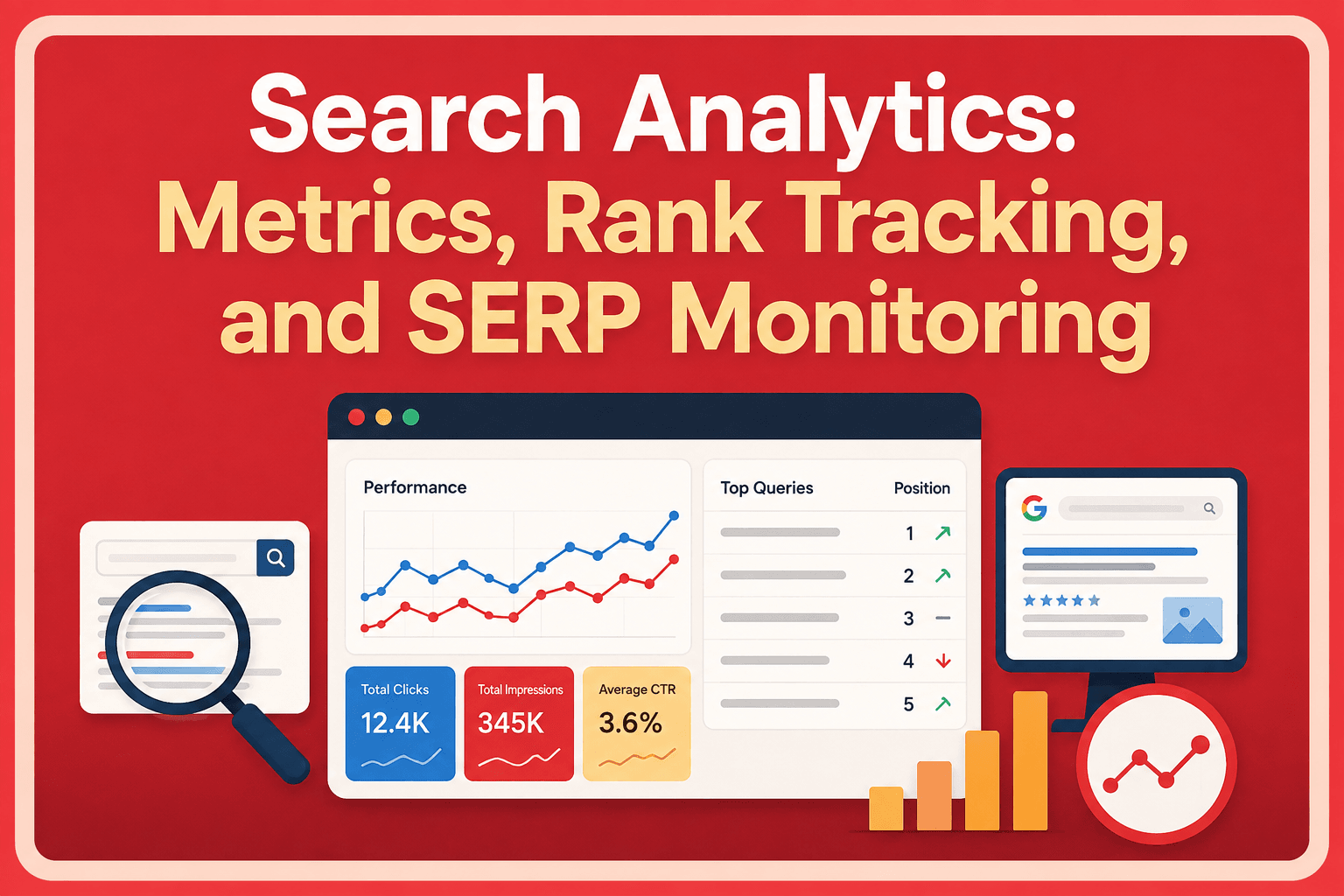
SEO Metrics
SEO metrics help website owners and businesses understand the impact and outcomes of their strategies. Those starting to learn SEO need not get confused with too many metrics and simply start with the most significant ones.
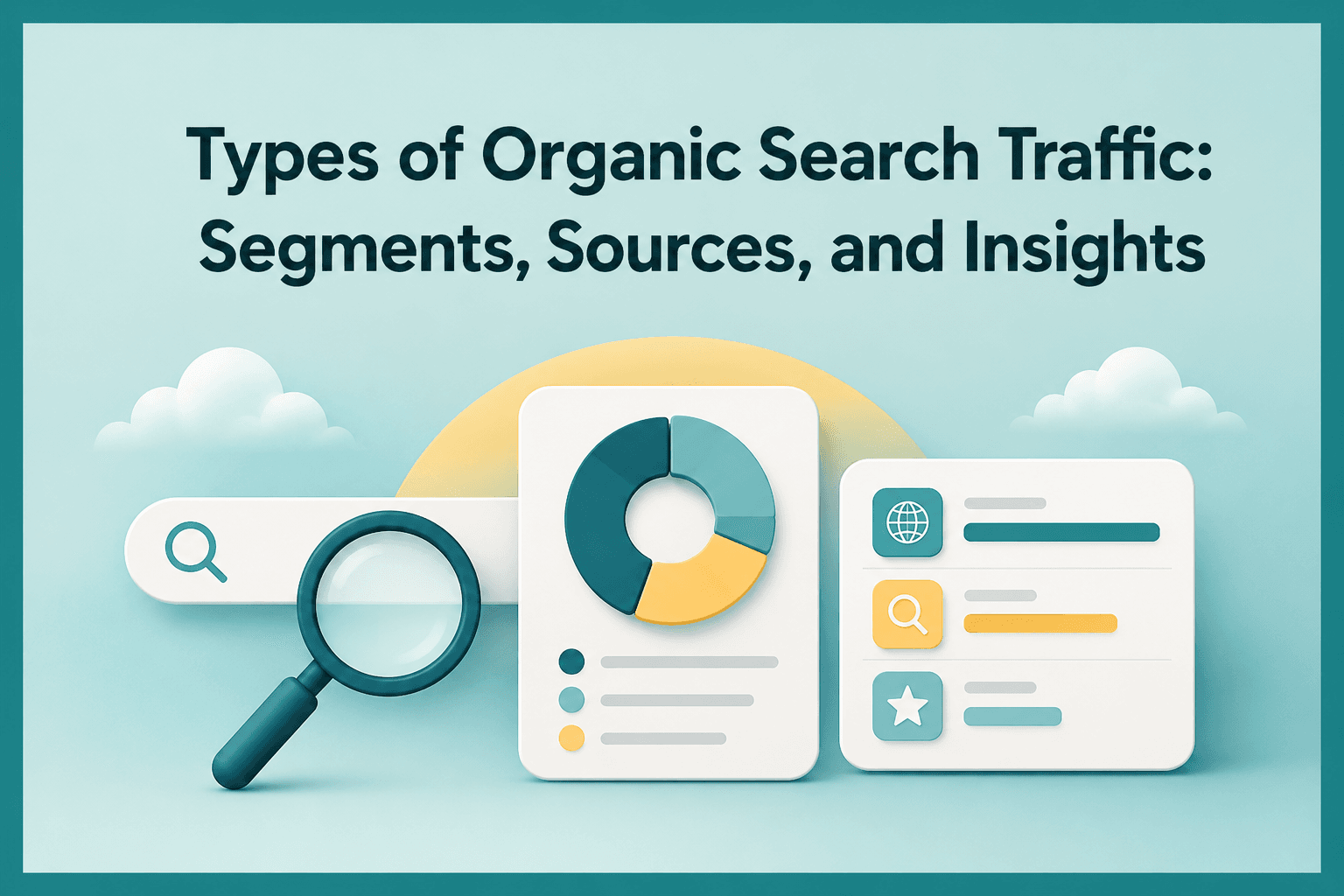
Organic Traffic: It refers to the number of visitors visiting your website through unpaid search engine results.
Rankings: Ranking is the position of your pages in search results for specific queries.
Impressions: Impressions measure how often a webpage appears in search results. A page receives impressions even if nobody clicks it.
Click-Through Rate (CTR): It is the percentage of people who click on your link after seeing it on the search engine results page. A higher CTR may indicate that the search listing is appealing and relevant, although CTR is also influenced by ranking position, query type, brand recognition and SERP features.
Bounce Rate: In Google Analytics 4, bounce rate is the percentage of sessions not classified as engaged. A high bounce rate may justify reviewing the content, technical performance and user experience, but it should be interpreted alongside engagement time, conversions, page purpose and other metrics.
Leads: Leads are potential customers generated through CTAs or the completion of specific tasks on your website.
Revenue: Most businesses primarily care about revenues. Revenue from organic search is the value attributed to purchases or other revenue-generating actions associated with organic-search visits.
Best SEO Tools
SEO professionals rely on a wide range of tools to create content, research keywords, analyze websites, monitor rankings, engage customers and measure performance. There are hundreds of tools in the market, but only some of them have become industry standards.
Ranking and Reporting SEO Tools
Google Search Console: It helps monitor indexing status, search performance, clicks, impressions, and page rankings.
Google Analytics 4 (GA4): GA4 provides useful insights into website traffic, visitor actions, conversions and business outcomes.
Semrush: It is a paid comprehensive SEO platform for keyword research, website traffic analysis, competitor comparison, rankings and audits.
PageSpeed Insights: It measures website loading time and provides recommendations for improving speed for seamless user experience.
Ahrefs: Like Semrush, Ahrefs is a popular comprehensive SEO platform for website traffic, SEO analysis, backlink analysis, audits and keyword research.
Screaming Frog: Screaming Frog analyzes websites and identifies on-page and technical SEO issues such as broken links, redirects, meta titles and meta descriptions.
Moz: Moz offers rank tracking, site audit, keyword tracking and website optimization tools.
SEO Keyword and Content Research Tools
Google Keyword Planner: Google Keyword Planner helps discover popular and relevant keywords.
AnswerThePublic: It shows common questions people ask around specific topics.
KWFinder: KWFinder is a beginner-friendly keyword research tool.
Ubersuggest: Ubersuggest provides keyword ideas, SEO insights and content suggestions for websites.
Examples of Search Engine Optimization
SEO can sometimes seem abstract until you see it in action. The following examples illustrate how different people and businesses use SEO to reach specific goals.
Local Business
Suppose a dentist in Chicago wants more patients. Many potential customers search for “dentist near me,” “emergency dentist Chicago,” or “family dentist in Chicago.”
The dental clinic creates service pages, optimizes its Google Business Profile, collects customer reviews, adds clinic photos, opening hours, phone number and website, and publishes useful content about dental care. Over time, Google starts linking the clinic to these searches. This way, Google Business Profile optimization leads to greater website visibility, more phone calls and ultimately more appointments.
This is local SEO at work.
Blogs
A blogger writes an article titled “Best Productivity Books for Entrepreneurs”.
The blogger researches keywords, creates a detailed guide, and updates the article regularly. As rankings improve, more readers find the content through Google. This way, website traffic can be converted into newsletter subscribers and affiliate sales. Many successful blogs grow mainly through SEO.
E-Commerce
An online store sells gaming accessories. Instead of only depending on ads, the store creates optimized product pages targeting searches like “wireless gaming mouse,” “mechanical gaming keyboard,” and “gaming headset under $100.”
As these pages rank, potential buyers find products naturally. This way, organic traffic leads to more product page visits, which ultimately converts to more purchases and more revenue.
YouTube Creator
SEO is not limited to websites. A YouTube creator posts videos aimed at searches like “How to use Excel,” “Excel formulas for beginners,” or “Excel dashboard tutorial.”
Optimized titles, descriptions, keywords, and audience engagement help the videos show up in search results. Thus, YouTube SEO leads to greater search visibility, more views, more subscribers and more monetization opportunities.
AI and SEO
Artificial Intelligence is changing how search engines understand information and how users find content. HubSpot’s 2026 State of Marketing Report suggests that about 24% of marketers are considering updating their SEO strategy to cover generative AI systems such as ChatGPT, Gemini and Claude.
Even with the advent of AI, the main goal of SEO remains unchanged: Create the most helpful answer for users. Google therefore states that foundational SEO practices remain relevant for AI Overviews and AI Mode because these features rely on its existing search index, ranking systems and quality systems. Pages must still be crawlable, indexable, useful and eligible to appear in search.
You can think of AI in SEO as giving the librarian a smarter assistant. Earlier, we compared Google to a librarian. Now, imagine the librarian has a highly intelligent assistant. The assistant can read books faster, understand topics better, recognize quality more accurately, and easily grasp what visitors mean when they ask questions. That’s similar to what AI does for search engines.
However, the librarian still recommends books. The assistant simply helps make better recommendations and even generates content and summaries based on information available online.
AI Overviews, Voice Search and GEO
The use of artificial intelligence in SEO is primarily related to AI Overviews in Google’s search results, voice search and generative engine optimization.
AI Overviews: Search engines are increasingly providing AI-powered summaries directly in search results. This means content must be clear, trustworthy, and genuinely useful to stay visible.
Voice Search: More people now search using voice assistants and smart devices. Voice searches often sound more conversational than typed searches. As a result, content that directly answers questions may become more important.
Generative Engine Optimization (GEO): As AI-driven search experiences grow, marketers are starting to focus on GEO. Their aim is to make content easier for AI-powered search and answer systems to discover, understand, retrieve and reference. Here, it is important to note that Google explicitly describes GEO as a third-party term and says that optimization for generative search remains part of SEO.
At the same time, the E-E-A-T framework, or experience, expertise, authoritativeness, and trustworthiness, remains relevant. As AI simplifies content creation, search engines are placing more emphasis on credibility and authenticity.
The Future of Search Engine Optimization
Many people argue that SEO may not survive the great technological changes associated with the rapid implementation of artificial intelligence, especially for generating content. However, the truth remains that SEO has adapted through every major shift:
• Mobile search
• Social media
• Voice search
• AI-powered search
The methods may change, but the core principle stays the same: Help people find the information, products, and services they need.
Frequently Asked Questions
Is search engine optimization (SEO) free?
SEO does not require paying for every click like advertising, but it often involves time, effort, tools, content creation, and ongoing optimization.
Can I learn SEO on my own?
Yes. Many successful SEO professionals are self-taught through practice, experimentation, and continuous learning.
Is SEO a good career?
Yes. Businesses of all sizes need search visibility, which creates a demand for SEO professionals.
How much can SEO professionals earn?
Earnings vary based on experience, location, specialization, and results. SEO can support freelance work, agency roles, consulting, and full-time jobs.
Can SEO help me make money online?
Yes. SEO can support blogging, affiliate marketing, e-commerce, freelancing, consulting, and content creation.
Is SEO better than Google Ads?
Neither is universally better. SEO provides long-term organic visibility, while Google Ads can deliver immediate traffic.
What is organic traffic?
Organic traffic refers to visitors who arrive through unpaid search engine results.
What are backlinks?
Backlinks are links from one website to another. They often serve as signals of trust and authority.
Do keywords still matter?
Yes. Keywords help search engines understand topics, although modern SEO focuses more on relevance and user intent than on repeating keywords.
What is Local SEO?
Local SEO helps businesses appear in location-based searches, such as “restaurant near me” or “plumber in Chicago.”
Can AI replace search engine optimization?
AI can automate certain tasks, but businesses will still need high-quality content, expertise, human creativity, strategy and optimization. Therefore, SEO will remain relevant because businesses and creators will continue to need ways to improve their visibility, make content accessible to search systems and help users find useful information.
Is SEO difficult?
The basics are relatively easy to learn. Mastering SEO requires patience, experimentation, and continuous learning.
What is the difference between SEO and SEM?
SEO focuses on organic search visibility. In current industry usage, SEM or search engine marketing, commonly refers to paid search advertising, although some broader definitions use the term for both paid and organic search activities.
What is the most important SEO ranking factor?
There is no single ranking factor. Relevance, content quality, authority, trust, and user experience all affect rankings.