
Author: Akash Rawat

Latest Articles
-
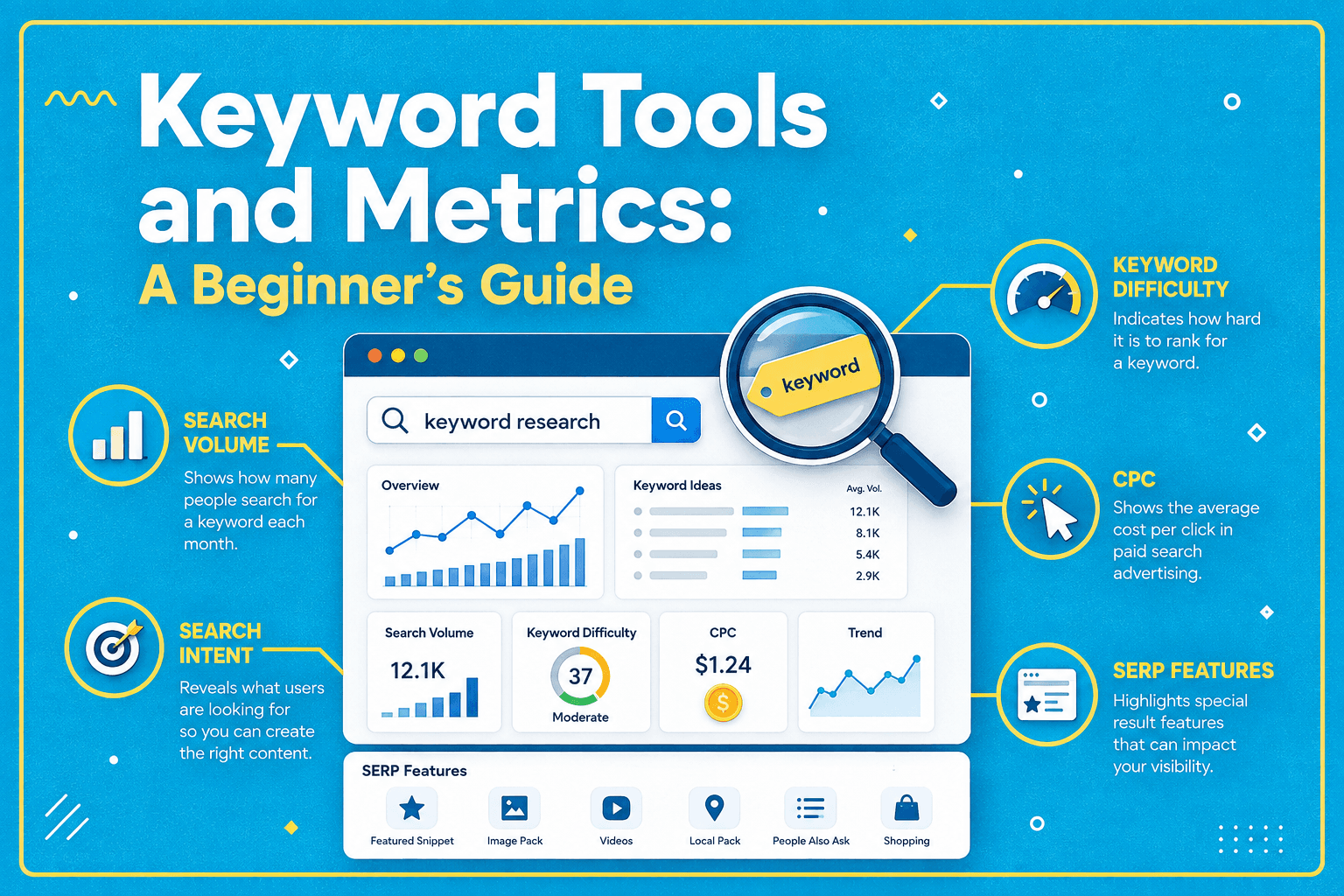
Keyword Tools and Metrics: A Beginner’s Guide
Keywords are words or phrases that represent the topics people search for and the subjects that webpages, products, videos, and other content address. They can be short terms such as stationery, more specific phrases such as desk organizers, or detailed queries such as best desk organizers for a small home office. In search engine optimization,…
-
How Media and Accessibility Affect On-Page SEO
Media and accessibility describe two closely connected parts of on-page SEO. Media includes images, videos, audio, diagrams, screenshots, infographics, and other formats that communicate information beyond ordinary text. Accessibility focuses on making that information usable by as many people as possible, including people who cannot see an image, hear a video, use a mouse, or…
-
What Is Page Experience? A Complete SEO Guide
Page experience describes how easily and comfortably people can access and use a web page. It includes factors such as how quickly the page loads, whether content shifts unexpectedly, how well the page works on mobile devices, whether pop-ups block the main content, and how clearly information is presented. For example, a page may contain…
-
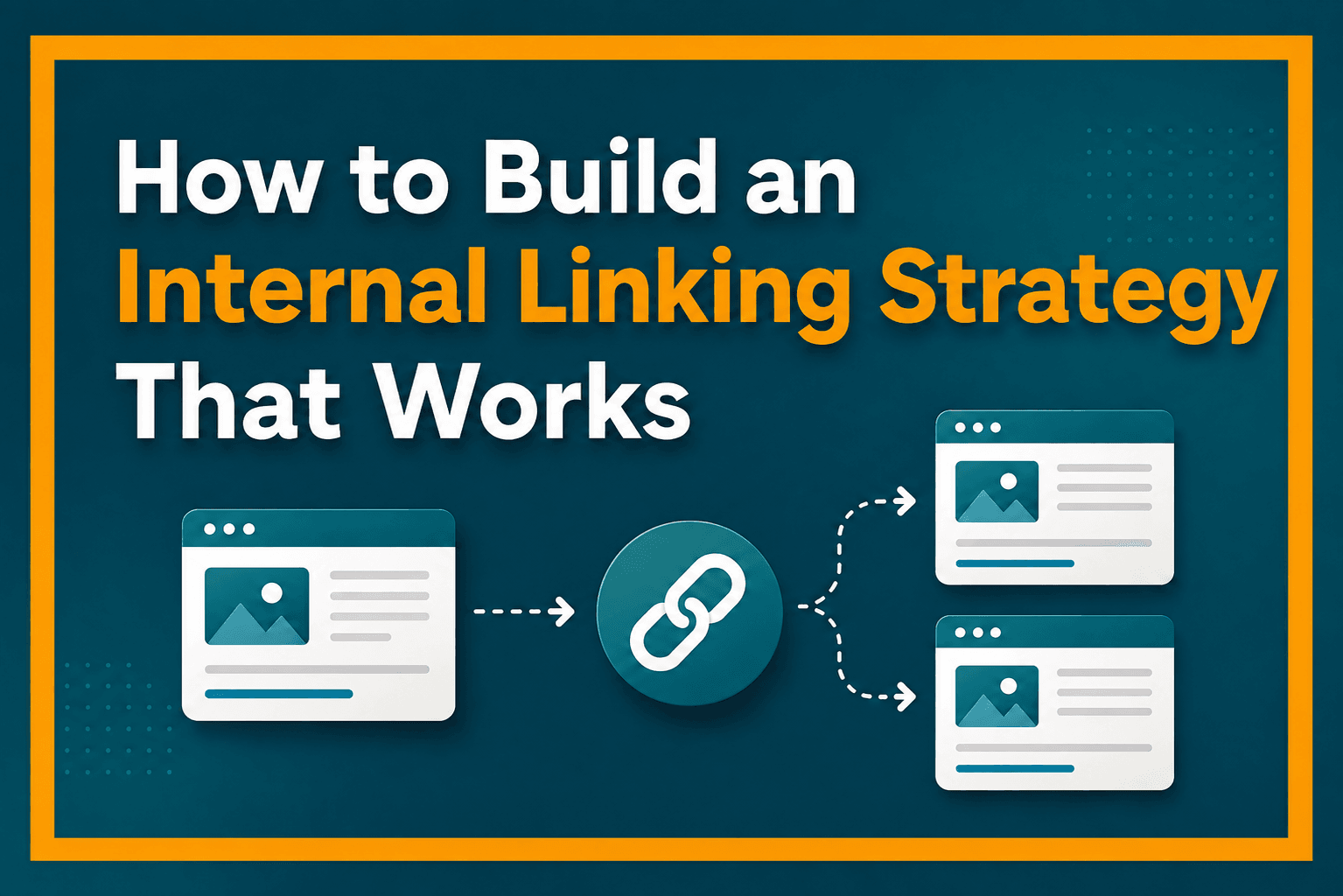
How to Build an Internal Linking Strategy That Works
Internal linking connects pages within the same website so that readers and search engines can move from one piece of content to another. A well-planned system does more than add links wherever a related keyword appears. It creates meaningful pathways between pages, supports site architecture, helps important content remain discoverable, and guides readers toward useful…
-
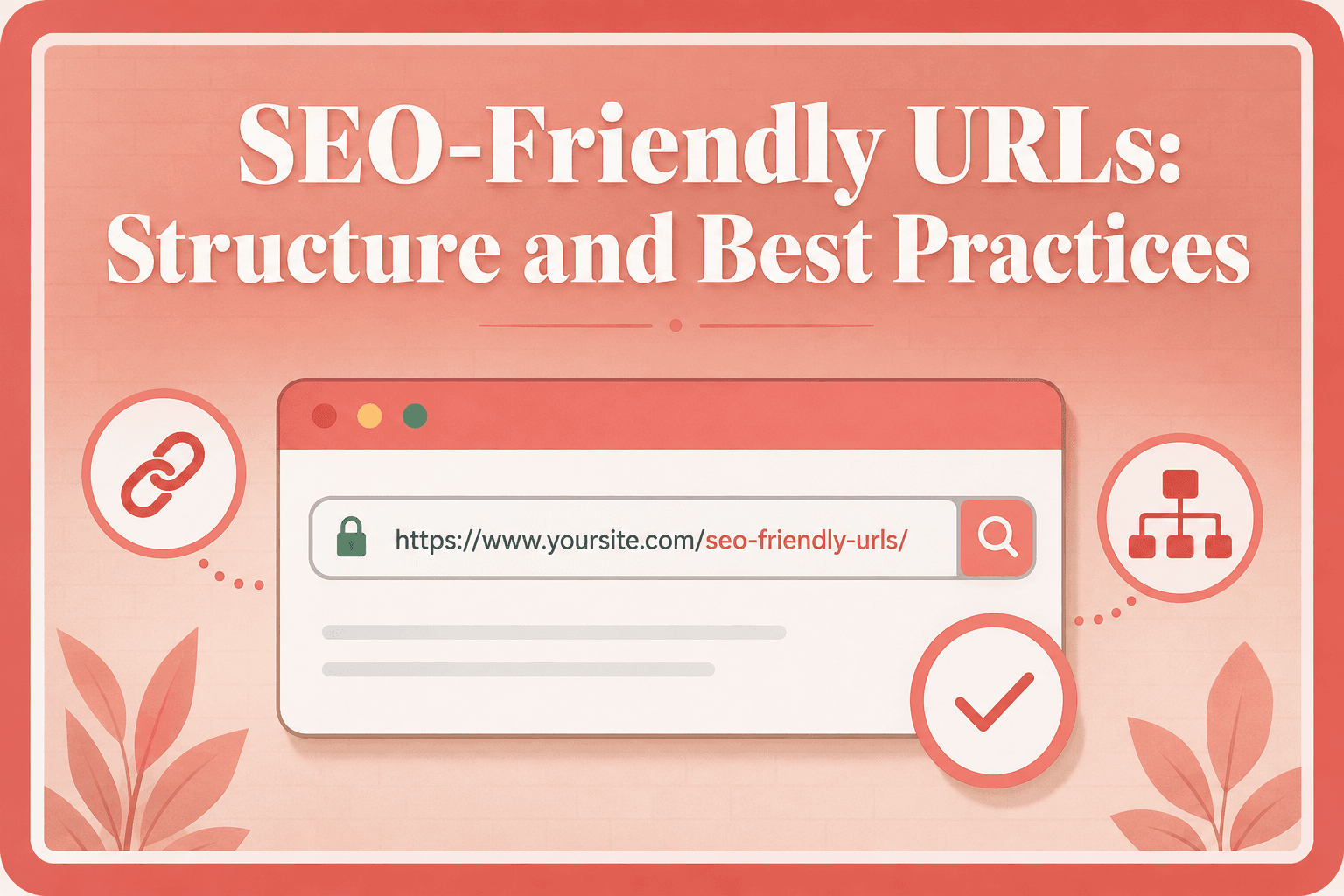
SEO-Friendly URLs: Structure and Best Practices
A URL is one of the first pieces of information that connects a webpage to the rest of the web. People use URLs to open pages, browsers use them to locate resources, websites use them for navigation and internal linking, and search engines use them while crawling and organizing content. For SEO, the goal is…
-
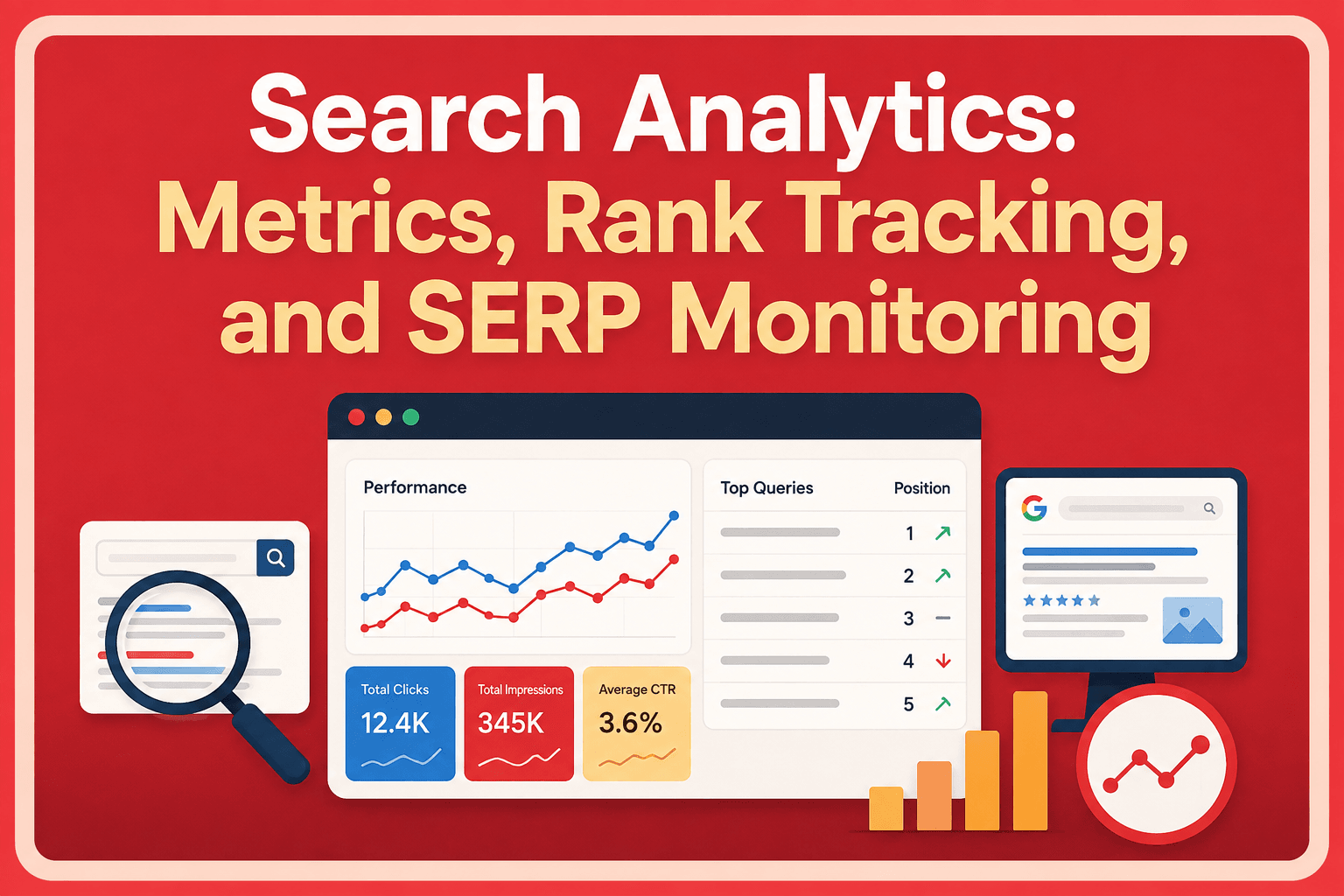
Search Analytics: Metrics, Rank Tracking, and SERP Monitoring
Search analytics turns search performance data into information that can guide SEO decisions. Rankings are part of that picture, but they are only one part. A page can gain impressions without gaining clicks, improve its average position while search demand falls, or attract substantial organic traffic without producing meaningful business outcomes. It is therefore useful…
-
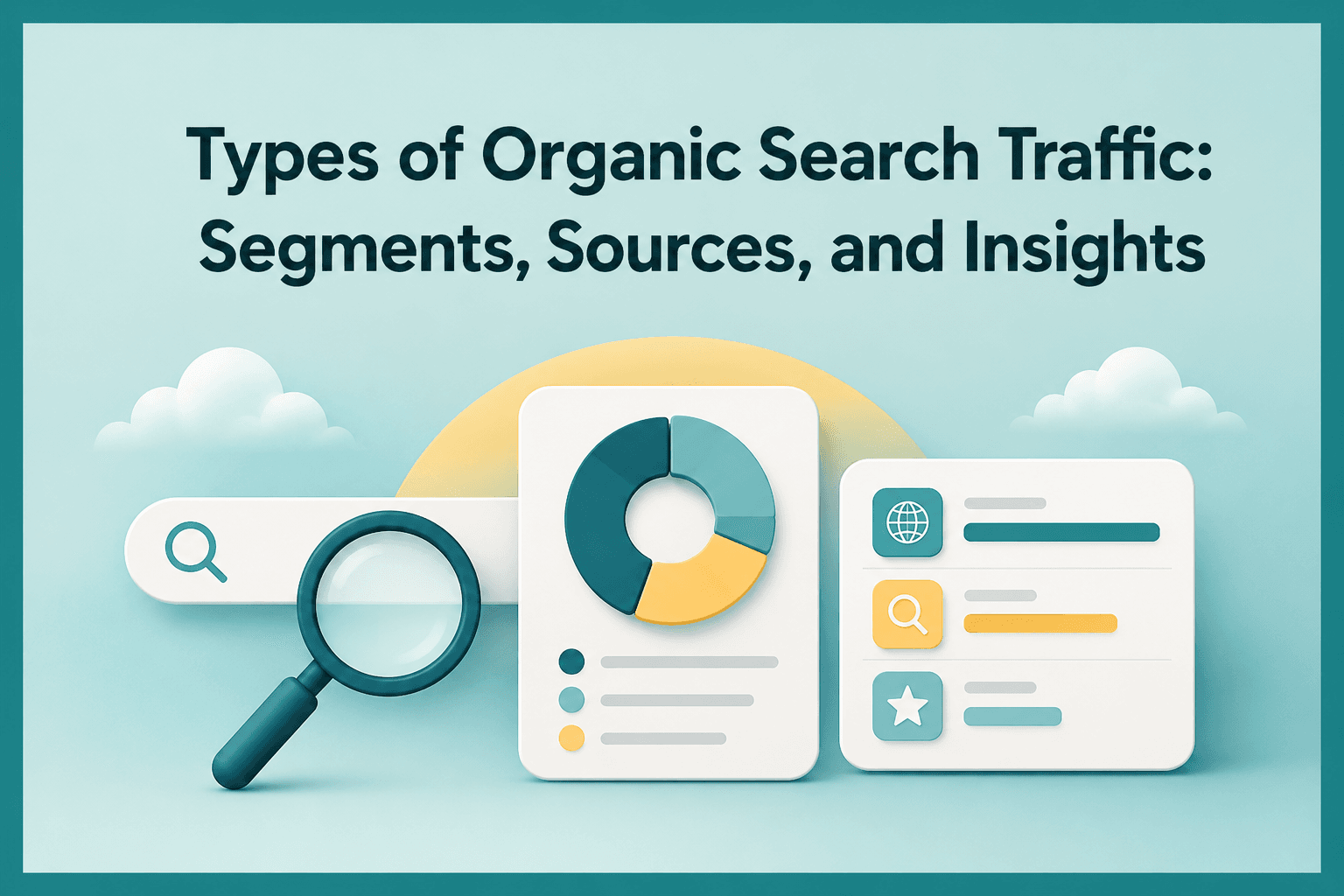
Types of Organic Search Traffic: Segments, Sources, and Insights
Organic search traffic is often reported as one number, but that number can hide very different types of visitors and search behavior. Ten thousand organic visits may include people searching directly for a brand, first-time visitors discovering a business through non-branded queries, returning readers, mobile users, seasonal shoppers, and visitors entering through very different landing…
-
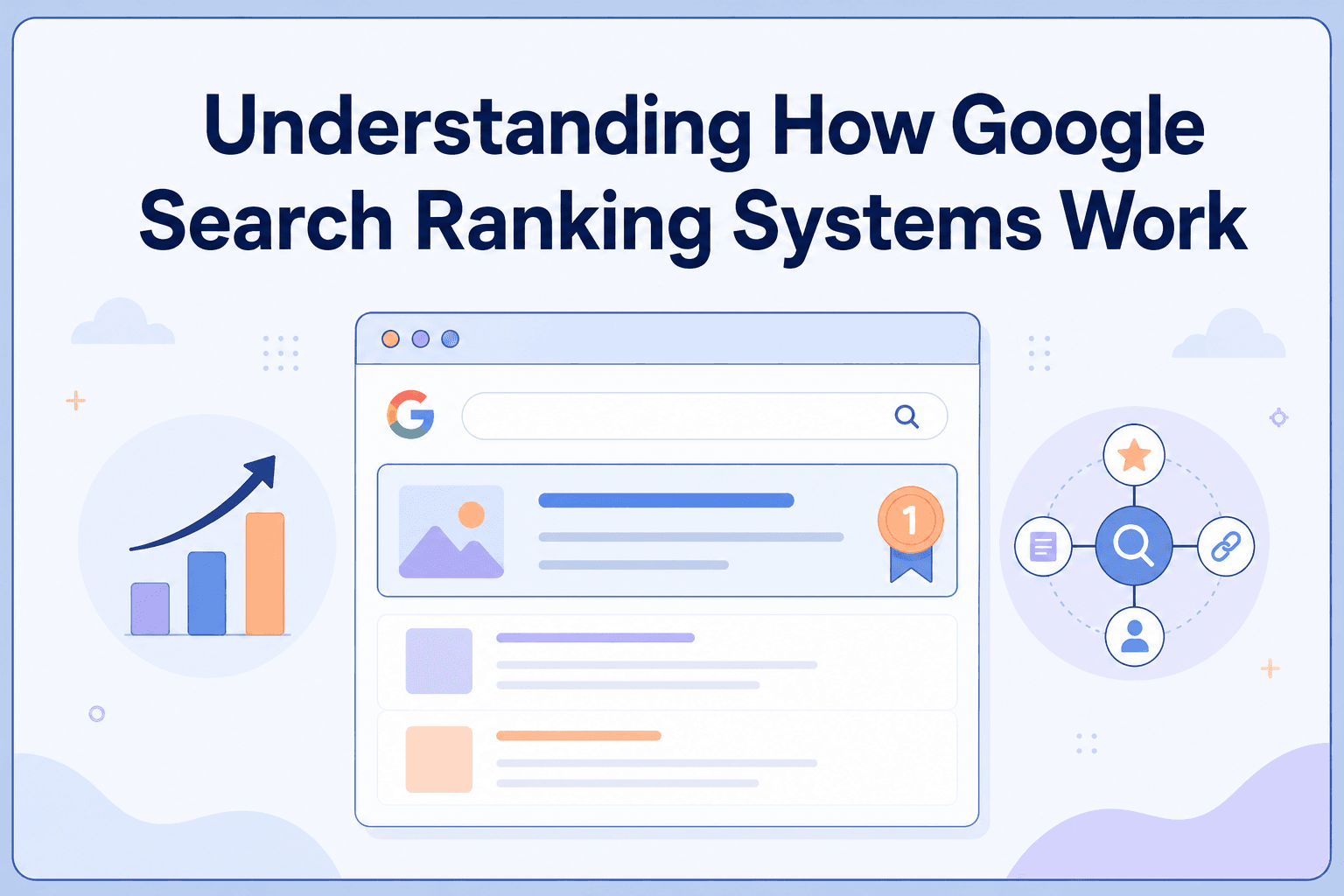
Understanding How Google Search Ranking Systems Work
Google does not publish a complete blueprint of its Search ranking algorithm. It explains many important systems, principles, and signals, but does not publicly disclose the complete combination, weighting, or interaction of technologies used to rank search results. Google’s public ranking systems guide therefore describes some of its more notable systems rather than presenting a…
-
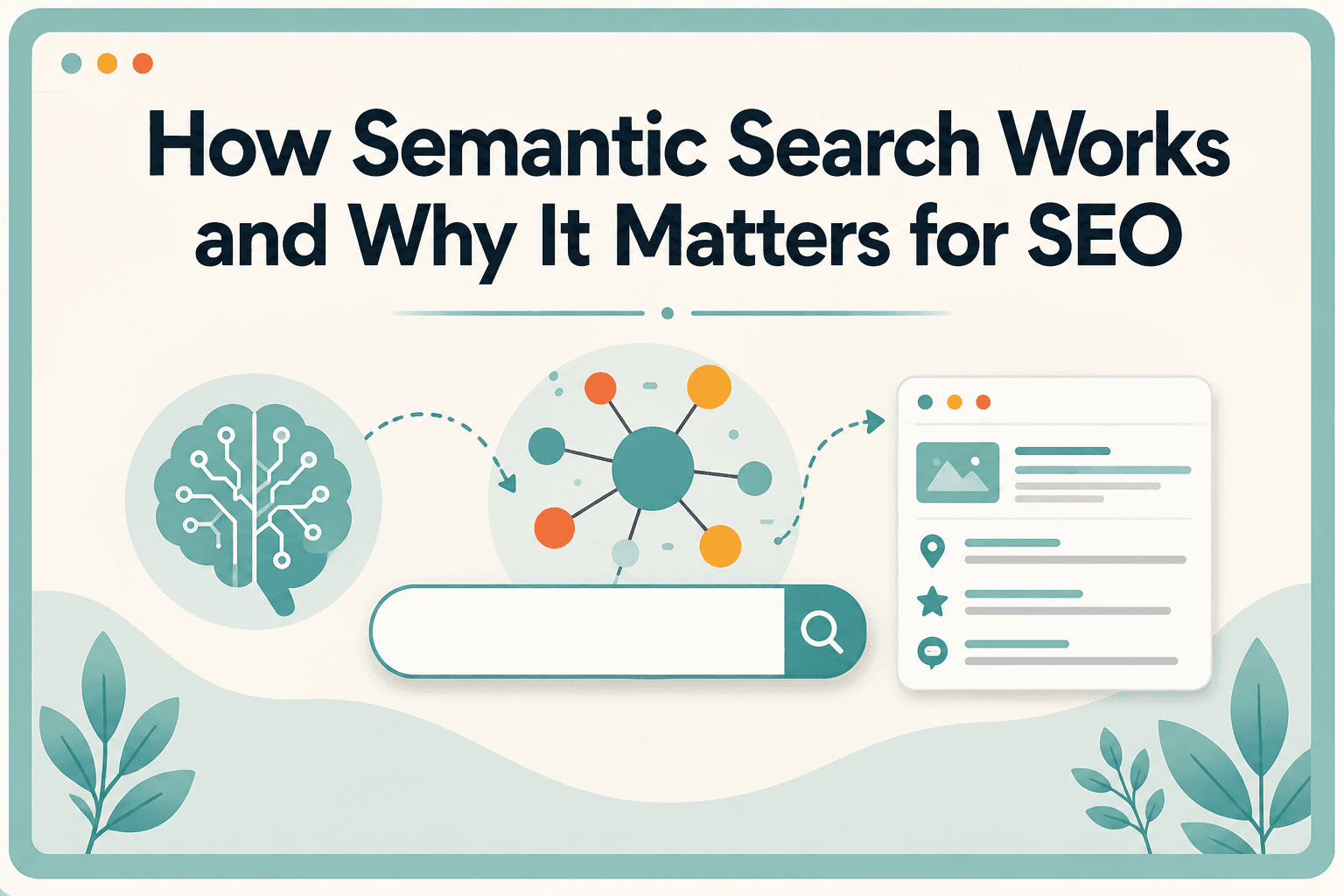
How Semantic Search Works and Why It Matters for SEO
Search engines increasingly need to understand more than the words typed into a search box. A person searching for “apple charger” is probably looking for a device accessory rather than information about charging fruit, while someone searching for “jaguar speed” may mean the animal or the car depending on the surrounding context. Semantic search helps…
-
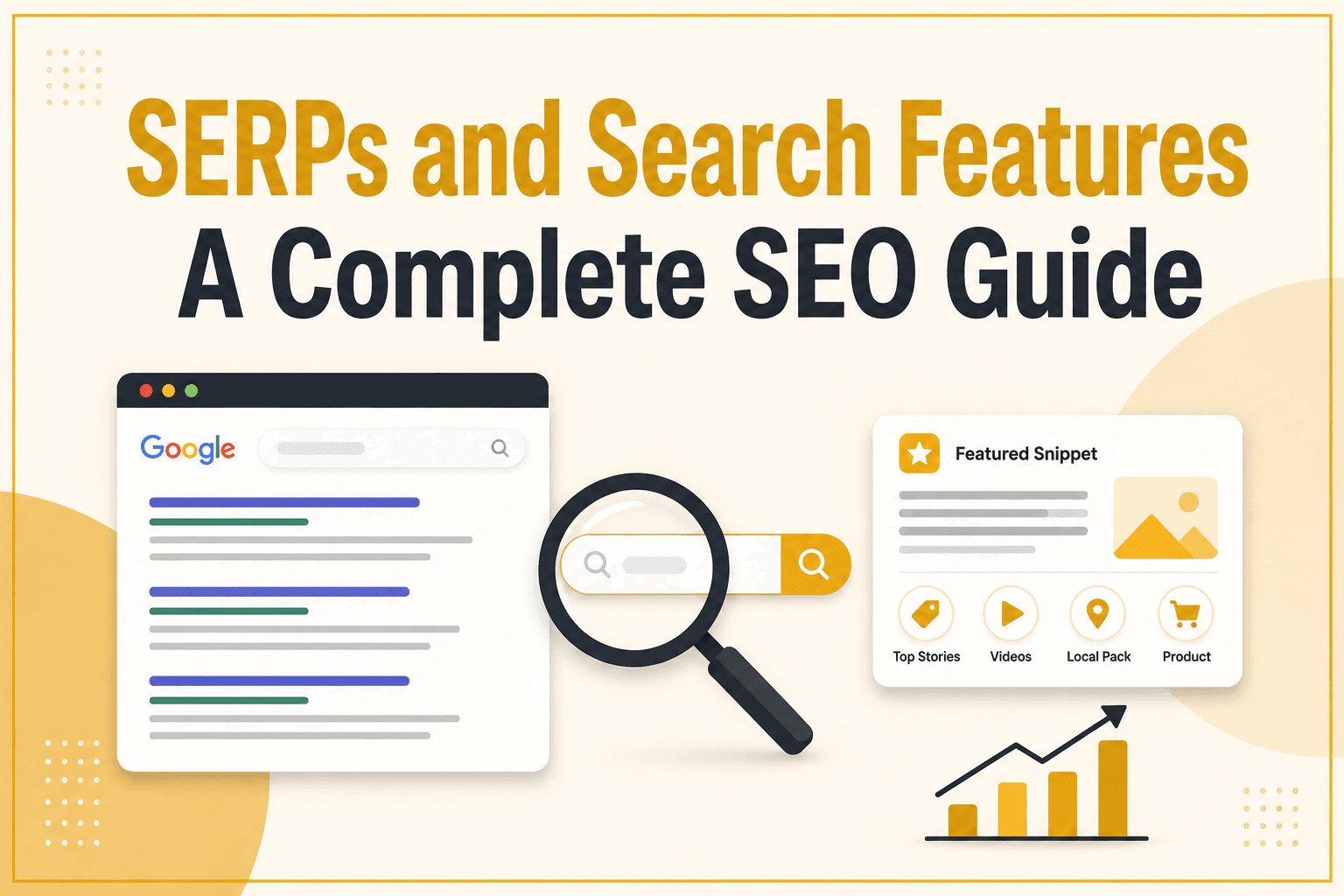
SERPs and Search Features: A Complete SEO Guide
Search engine results pages have changed considerably from the familiar list of blue links. A modern search engine results page (SERP) can include traditional organic listings, featured snippets, images, videos, maps, product information, news stories, discussion forums, knowledge panels, AI-generated answers, and several other interactive features. As a result, ranking in organic search is no…