Search Engines and Organic Traffic: How Search Drives Growth
Key Takeaways
- Organic growth extends beyond traffic, encompassing broader visibility, stronger topic coverage, valuable backlinks, content performance, new audiences, and business outcomes.
- SERP features, including images, videos, local results, rich results, and AI experiences, create discovery opportunities beyond conventional text rankings.
- Semantic search emphasizes meaning, context, intent, and relationships, making comprehensive, naturally written content more valuable than repetitive keyword usage.
- Search analytics connects impressions and clicks with website behavior, helping identify content to strengthen, expand, consolidate, or retire.
Search engines and organic traffic are closely connected because search engines can introduce a website to people at the exact moment they are looking for information, products, services, solutions, or answers. However, sustainable organic growth involves much more than publishing pages and waiting for search traffic to increase. Websites also need to understand where visibility comes from, how search result pages are changing, which existing content deserves further investment, and where new opportunities are emerging.
This makes search engines and organic traffic a much broader subject than rankings alone. Search engines create discovery opportunities, SERPs determine how those opportunities are presented, semantic systems help interpret meaning and intent, ranking systems determine which results are surfaced, and search analytics reveal how visibility changes over time. The website then needs to respond by strengthening successful content, improving weaker pages, filling gaps, building links, and retiring material that no longer contributes value.
In other words, organic growth is a continuous process. More traffic can be one outcome, but meaningful growth also includes broader search visibility, stronger topic coverage, valuable backlinks, better-performing content, new audiences, and business outcomes generated by search visitors.
Table of Contents
Search Engines and Organic Traffic
Search engines organize enormous collections of information and help users find relevant results in response to searches. Although the underlying technologies, indexes, interfaces, ranking systems, privacy practices, regional strengths, and search experiences differ, major web search engines broadly perform the same fundamental job: they discover information, organize it, interpret queries, evaluate potential results, and present information they consider useful for the search.
What Are the Top Search Engines?
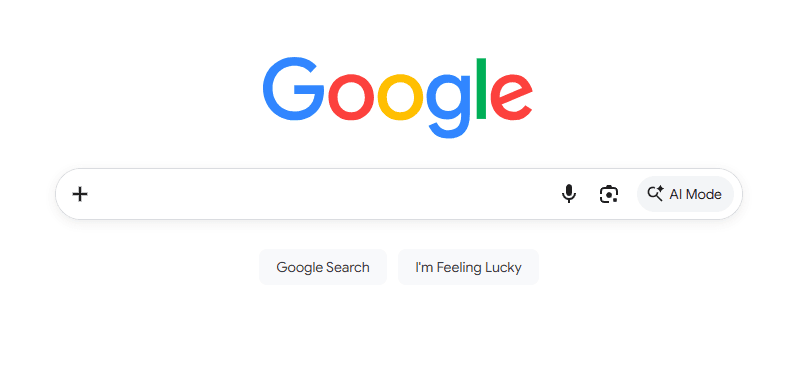
Google dominates conventional web search globally. According to StatCounter’s July 2026 estimates, Google accounted for approximately 91.3% of worldwide search engine market share across all platforms. Bing followed at about 4.5%, while Yahoo, Yandex, DuckDuckGo, and Baidu each accounted for smaller shares.
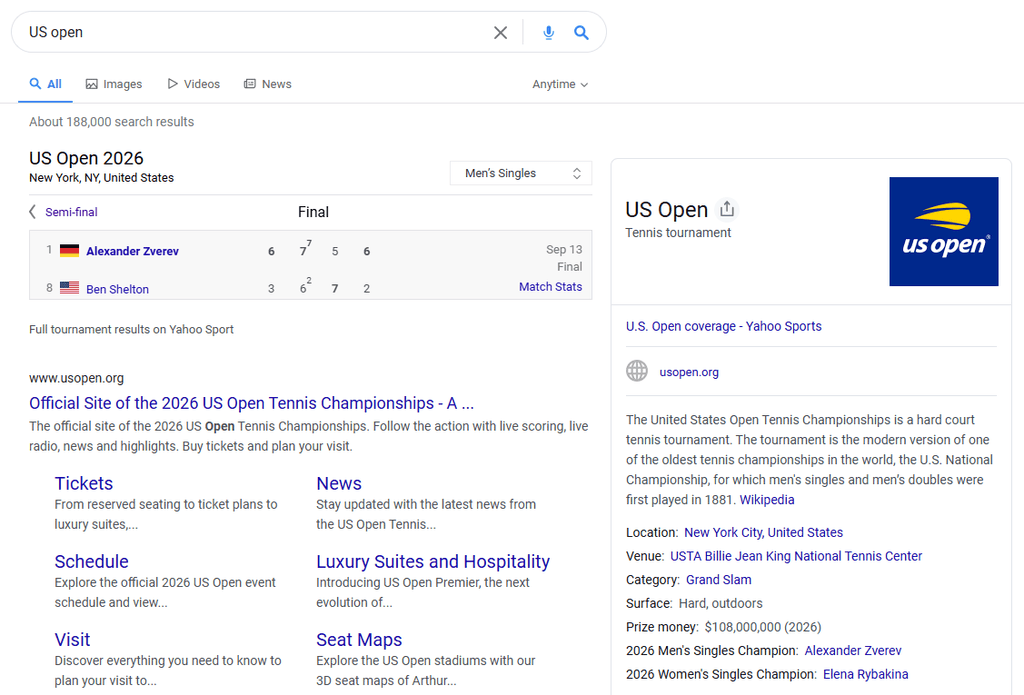
However, the global percentages do not mean every audience behaves identically. In the United States, Bing accounted for about 8.6% of search engine market share in July 2026, while its worldwide desktop share was around 8.84%. Yandex, meanwhile, held a much larger share in Russia than it did globally. Businesses should therefore consider geography, devices, audience characteristics, and market presence before deciding that a smaller search engine is irrelevant.
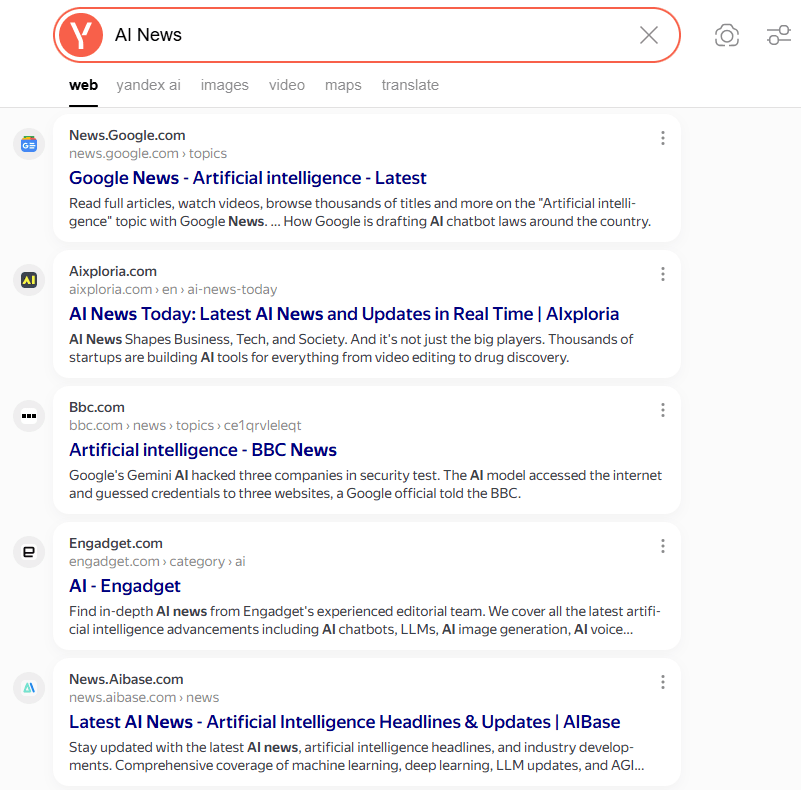
Search engines can also return different sets of results for the same query. A search-engine comparison study examining Google, Bing, DuckDuckGo, and MetaGer found substantial differences in their top results, showing that using different engines can expose searchers to different sources.
How Other Search Engines Differ From Google
The differences are not limited to market share. Bing operates its own search index and increasingly connects traditional search with Copilot and AI-grounded experiences. Its current webmaster guidelines explain that crawling, indexing, ranking, and content-quality practices also affect eligibility across Bing Search, Copilot, and grounding results.
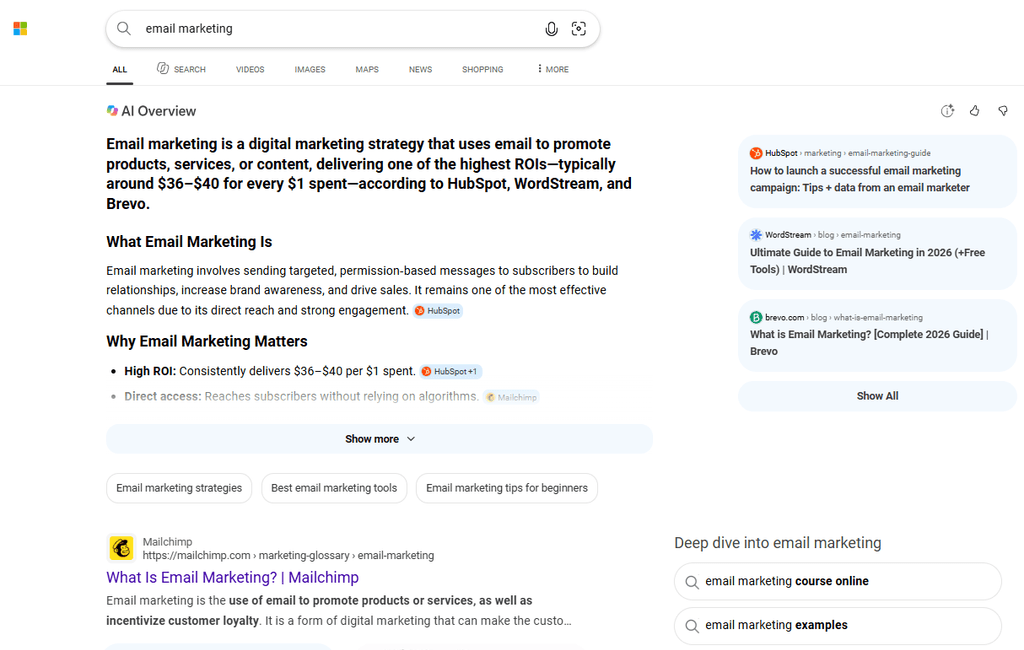
Other engines can distinguish themselves through privacy positioning, geographic specialization, language coverage, partnerships, interfaces, or the sources and algorithms used to construct results. The practical SEO lesson is therefore not to create entirely different websites for every search engine, but to maintain strong fundamentals while checking whether particular engines contribute meaningful visibility for the intended audience.
For a deeper technical explanation of discovery, crawling, indexing, and ranking, see our guide to how search engines work.
What Is Organic Search Traffic?
Organic search traffic consists of visits generated when people reach a website through unpaid search results rather than advertisements. Search visibility comes before those visits: a page first needs opportunities to appear for relevant searches, then searchers need to choose the result.
This creates a useful progression:
This progression shows how search engines and organic traffic connect: visibility must occur before an unpaid search visit can happen.
Search Console measures what happens in Google Search, including impressions, clicks, queries, and landing pages. Google Analytics can then provide additional information about what visitors do after reaching the site. Google explicitly describes Search Console as the source of truth for Search performance and Analytics as the source of truth for behavior within the website. Together, Search Console and Google Analytics data help connect search visibility with what visitors do after reaching the website.
Note
A search impression is not the same as a website visit. A page can gain substantial search visibility without receiving a proportional number of clicks, which is why impressions, clicks, and website behavior should be evaluated separately.
How Search Engines and Organic Traffic Support Business Growth
Traffic by itself is not the final objective for most websites. Ten thousand visits that produce little engagement or business value may be less useful than a smaller group of visitors who read deeply, subscribe, inquire, purchase, return, share the content, or discover additional resources.
Organic growth therefore means building a search presence that becomes more valuable over time. New pages can expand topic coverage, established pages can protect and increase visibility, high-value resources can attract links, and stronger internal relationships can help visitors and search engines understand how the website’s information fits together.
For this reason, search engines and organic traffic should be evaluated as part of a wider growth system rather than through visit totals alone.
How Search Engines Create Organic Discovery Opportunities
A search engine does more than provide a numbered list of websites. It creates different opportunities for discovery depending on what a person searches for, what information is available, and which result formats are suitable for the query.
Google, for example, explains that the features displayed on a results page can change according to the query. A search with local intent may produce local results, while a visually oriented query may produce image results. Its ranking systems also evaluate many signals to determine which indexed content is relevant and useful for a particular search.
From the website’s perspective, organic discovery can therefore occur in several ways:
- A new page can create visibility for searches that the site could not previously address, particularly when it fills a genuine gap in existing coverage.
- An established page can begin appearing for additional queries as the range of searches, content, competing results, and search systems change over time.
- Different content formats can create additional discovery surfaces, including images, videos, rich results, local results, discussion content, and other SERP features.
- Existing visibility can expand or decline, which makes ongoing content maintenance and search analysis as important as publishing new pages.
Why Search Visibility Changes Over Time
Search visibility is dynamic. Search demand changes, competitors publish or improve content, information becomes outdated, search result layouts change, and ranking systems are updated. Freshness can also matter differently depending on the query: Google’s documented ranking systems include freshness systems designed to favor newer information where users would reasonably expect it.
As a result, a page that performed strongly last year should not automatically be assumed to remain competitive indefinitely. Conversely, a temporary decline should not automatically trigger a rewrite. Growth depends on understanding why performance changed before deciding what action to take.
SERPs and Search Features
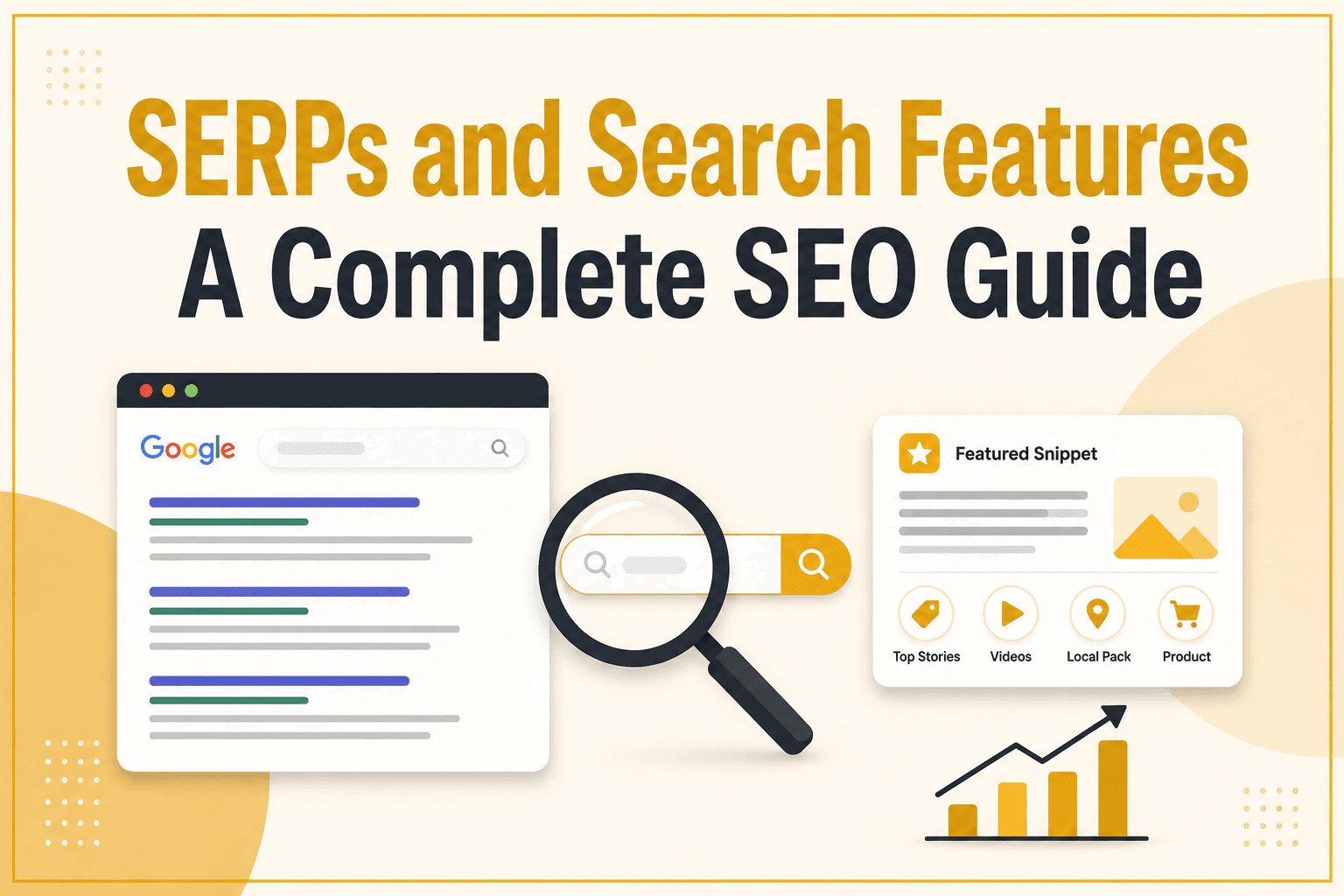
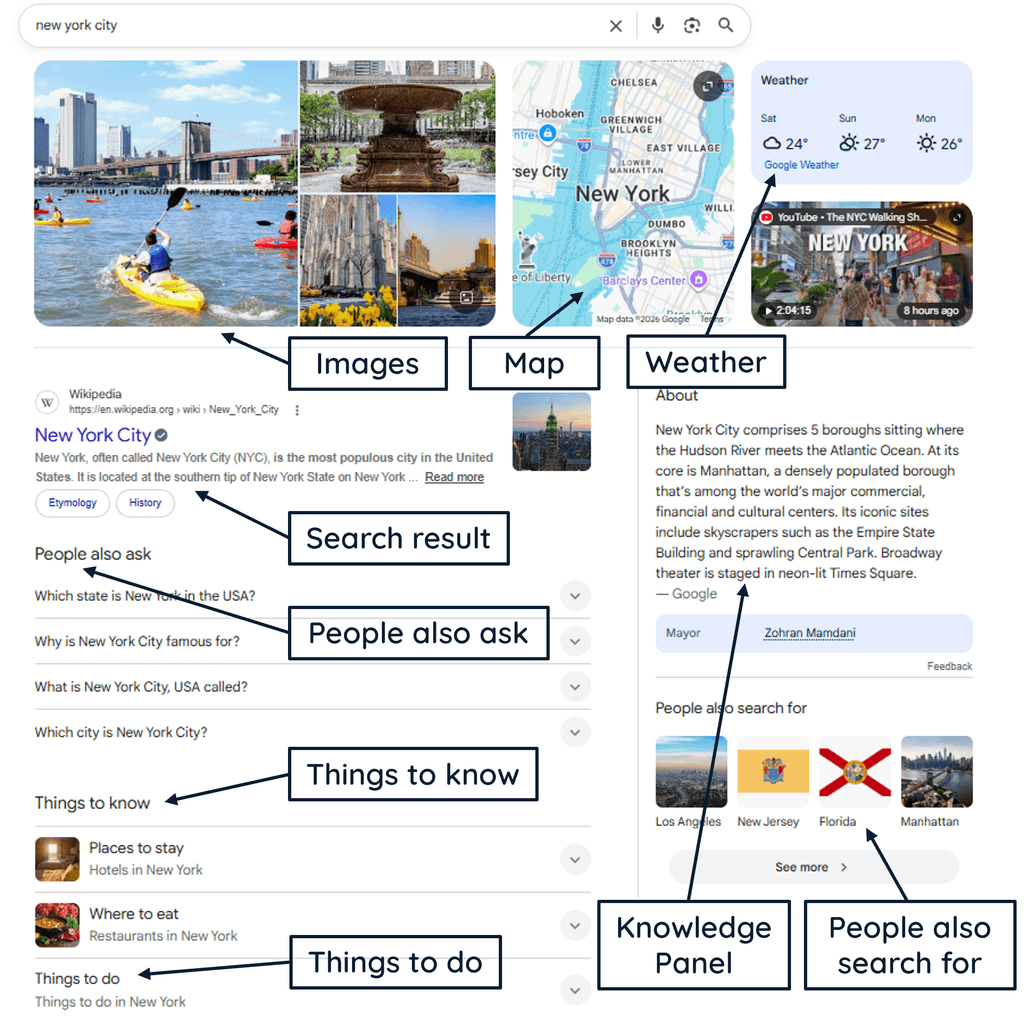
A search engine results page (SERP) is the page or interface through which a search engine presents results for a query. Modern SERPs can contain considerably more than conventional text listings, and the exact combination can change according to the query, device, country, language, and other factors.
Understanding these features matters because organic visibility is no longer adequately described by saying that a page “ranks number three.” Different elements can appear above, between, around, or within conventional organic results.
Traditional Organic Results and Snippets
A conventional text result commonly includes attribution, a title link, and a snippet describing or summarizing the page. Google primarily generates snippets from page content, although it may use the meta description when that description represents the page particularly well. Snippets can also differ between queries because the search engine attempts to show information relevant to the particular search.
Featured Snippets and Position Zero
Featured snippets are special boxes that reverse the normal presentation by showing the descriptive excerpt before the source link. They can also appear within related-question groups. Website owners cannot manually mark a page as a featured snippet; Google’s systems determine when a page is suitable.
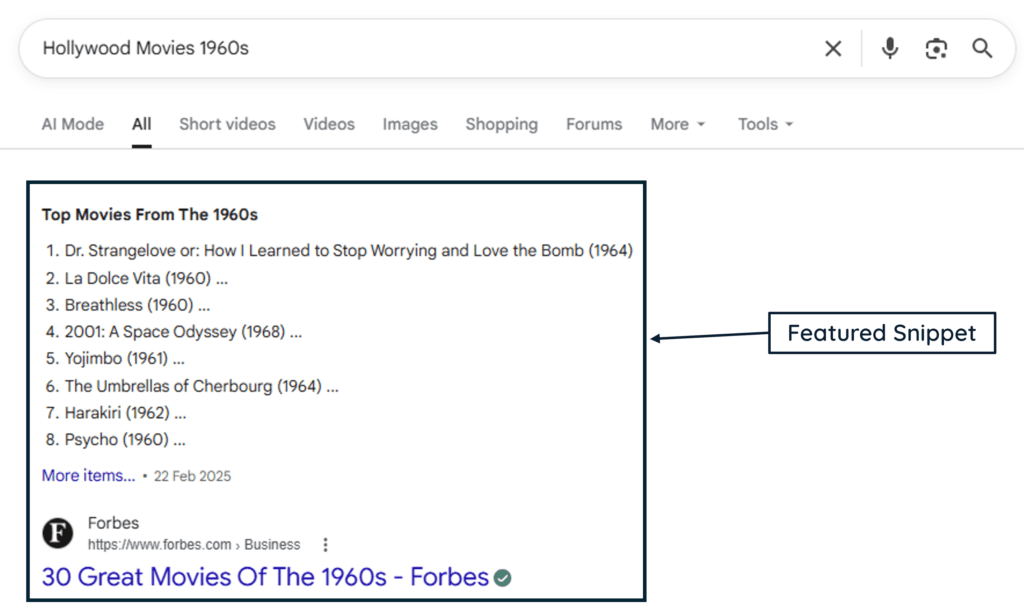
“Position Zero” is an SEO industry label historically used for featured snippets that appeared above conventional organic listings. It is not Google’s official name for a separate search feature, and the expression is less precise on modern SERPs because other features may also appear prominently around traditional results.
AI Overviews and AI Mode
AI Overviews use generative AI to provide synthesized responses for queries where Google’s systems determine that an AI-generated overview adds value to conventional Search. These responses can include links that allow users to explore supporting websites in greater depth.
AI Mode extends this experience to more complex questions, comparisons, and exploratory searches. Like AI Overviews, it can surface supporting links from websites.
Google states that no special AI-specific markup is required. Pages must meet the normal Search technical requirements, be indexed, and be eligible to appear with a snippet. Google has also introduced a Search generative AI control in Search Console that allows eligible site owners to include or exclude their content from supported generative AI features.
People Also Ask and Related Searches
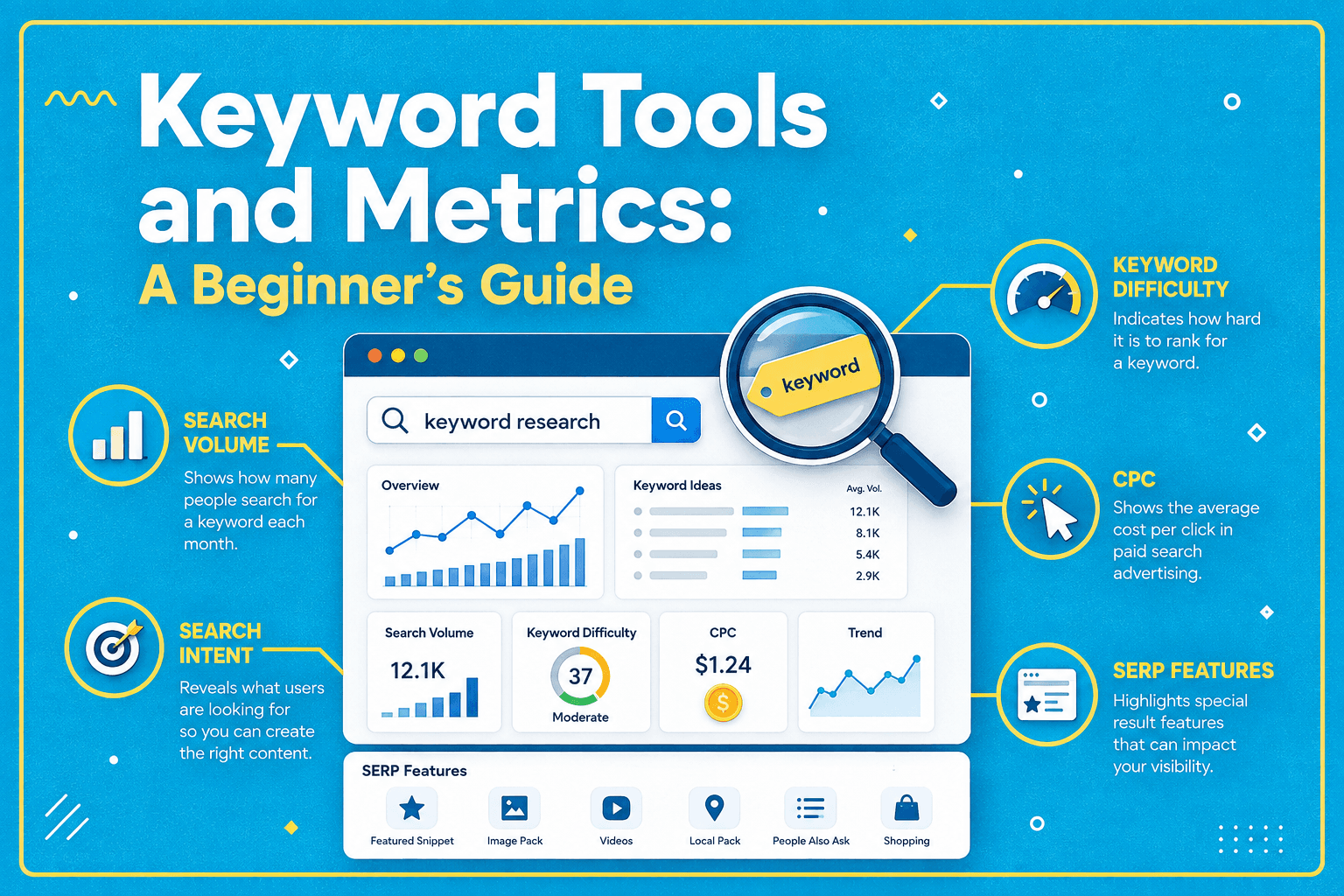
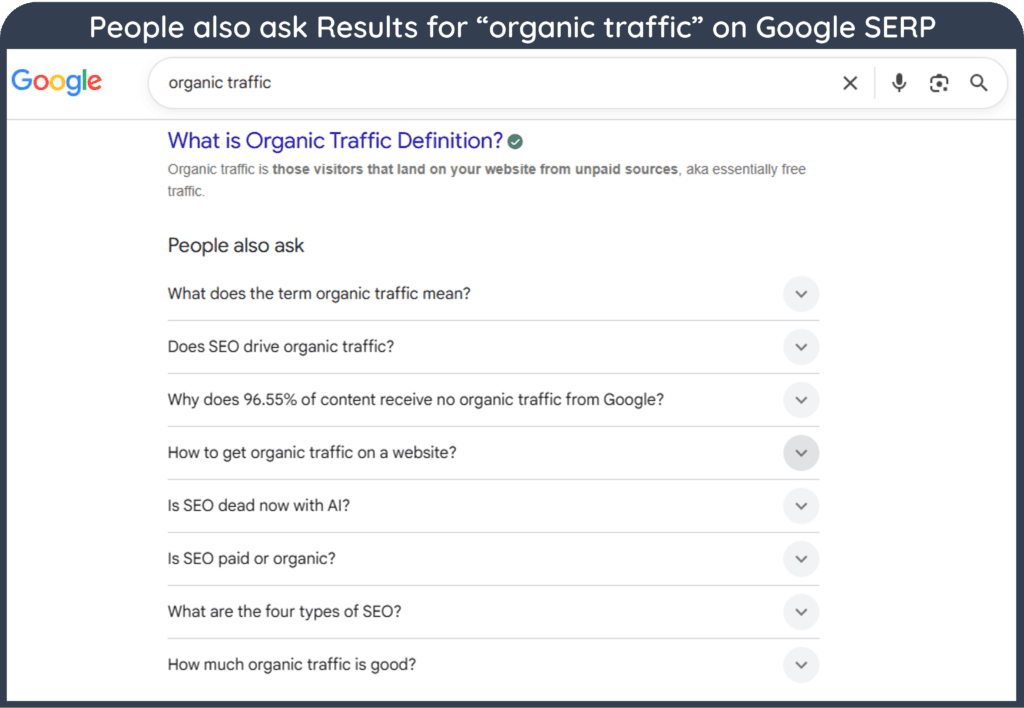
People also ask (PAA) presents questions related to the original search. Expanding a question can display a featured snippet, while related searches provide alternative or connected queries that allow the searcher to continue exploring the subject. Google’s visual-elements documentation refers to these as related questions and related searches within its exploration features.
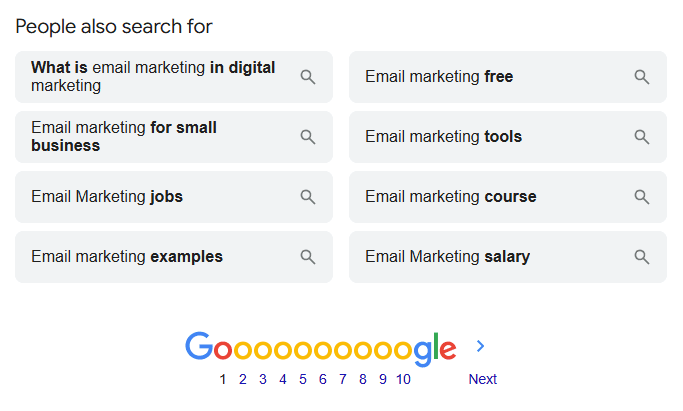
For content planning, these features can provide useful clues about how users explore a topic. However, they should be treated as research inputs rather than instructions to create a separate page for every visible question.
Rich Results
Rich results enhance standard listings with additional visual or interactive information. Google’s supported Search features include articles, breadcrumbs, datasets, discussion forums, events, job postings, local businesses, products, recipes, review snippets, videos, and several other formats.
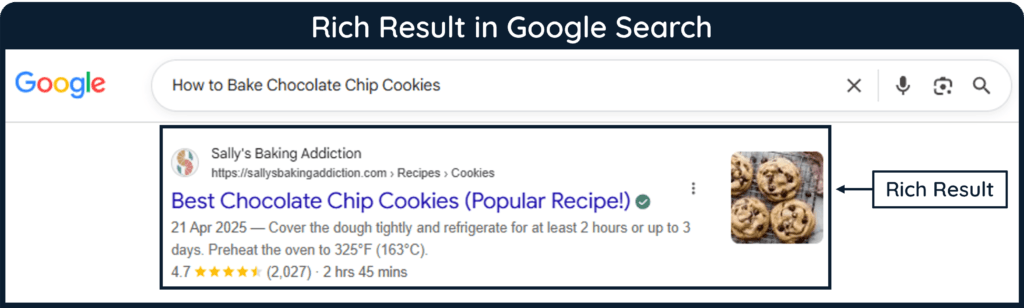
Structured data can make a page eligible for particular rich-result experiences, but eligibility does not guarantee that the enhanced result will be shown.
Knowledge Panels and the Knowledge Graph
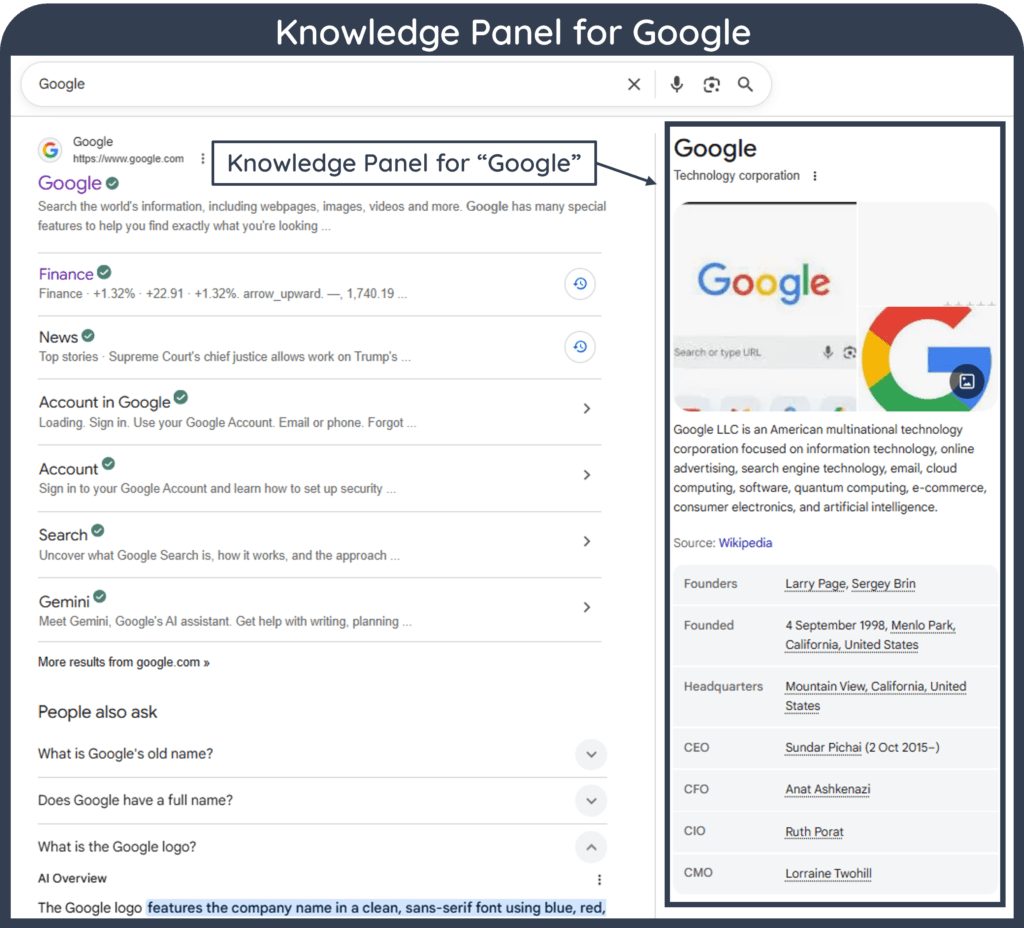
A Knowledge Panel is a visible search feature that presents summarized information about an entity such as a person, place, organization, or subject. The Knowledge Graph, by contrast, is the underlying knowledge system Google uses to organize facts and relationships about real-world entities. Google has explained that information displayed in knowledge panels can come from its Knowledge Graph.
Sitelinks
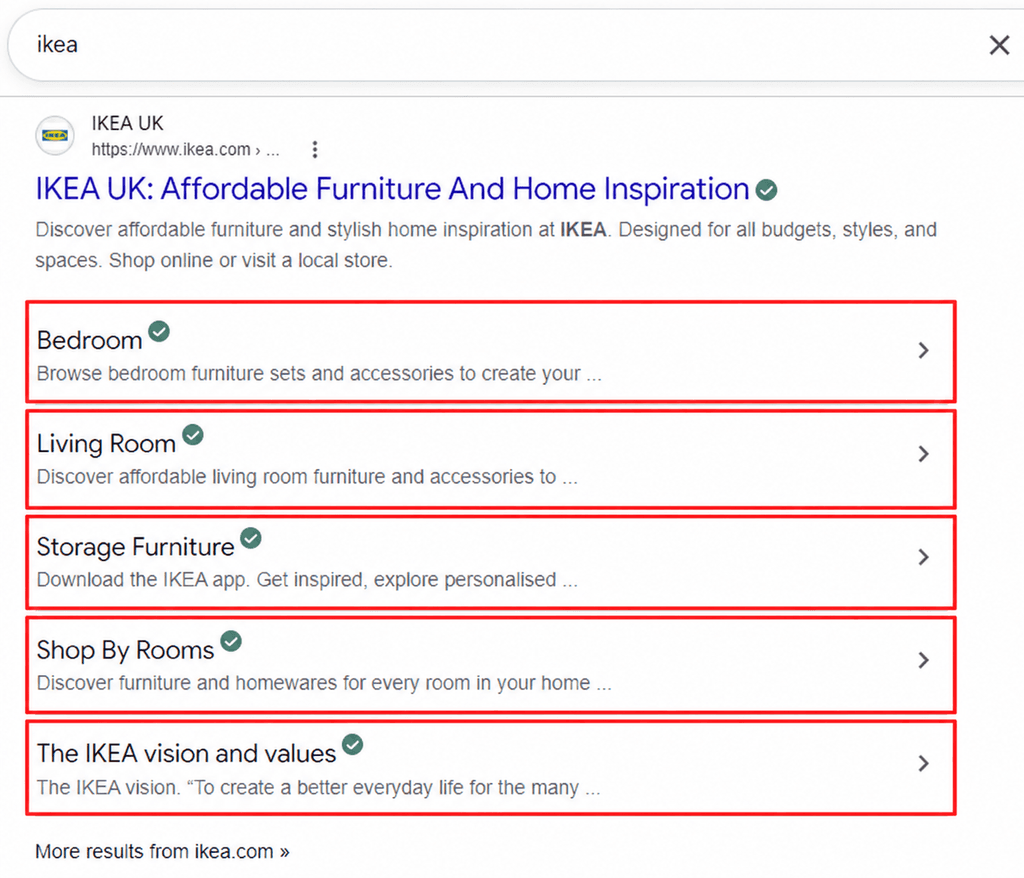
Sitelinks are additional links from the same domain grouped beneath or alongside a search result. They can direct users to important pages or sections more quickly. Google generates them automatically by analyzing site structure, although logical navigation, informative headings, and relevant internal anchor text can help its systems understand useful shortcuts.
Images, Videos, Carousels, Local, and Shopping Results
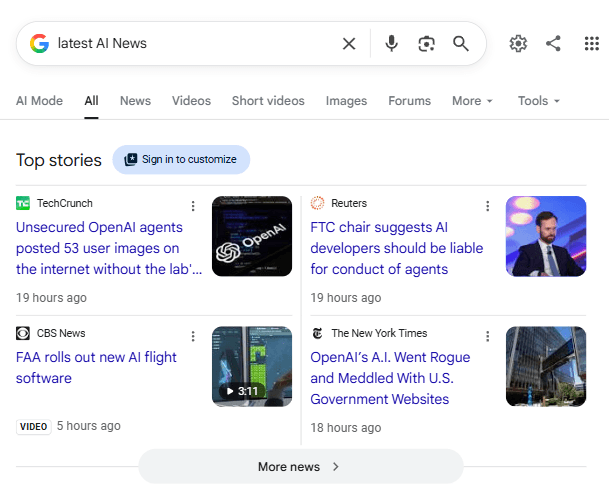
Searchers may also encounter image results, video results, local features, product information, news elements, carousels, discussion results, and other specialized presentations. Which features appear depends heavily on the nature of the search.
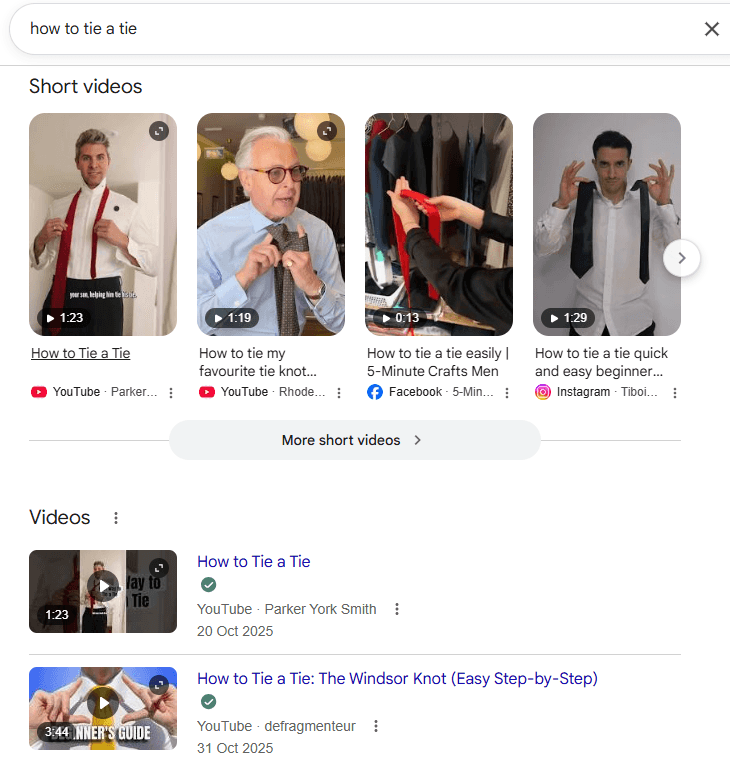
Google’s current Search appearance documentation includes supported experiences for images, videos, local businesses, products, discussion forums, carousels, and numerous structured-data-driven result types.

The larger lesson is that organic visibility extends beyond one conventional blue link. Content strategy should consider whether a query is best answered through text, video, imagery, structured information, local information, product data, or another format. Understanding the relationship between search engines and organic traffic therefore requires looking beyond conventional text listings to the wider range of result formats that can generate visibility and clicks.
How Semantic Search and Ranking Systems Influence Growth
Early keyword-focused SEO practices often encouraged marketers to think about queries as strings of words that needed to be repeated on a page. Modern search systems are considerably better at connecting language with meaning, context, concepts, and intent.
Google’s ranking technologies illustrate this change. BERT helps its systems understand how combinations of words express meaning and intent. Neural matching helps connect representations of concepts in queries and pages, while RankBrain helps Google understand relationships between words and concepts even when a page does not contain every exact word used in the query.
From Keywords to Meaning and Context
Keywords still matter because they express how people search, but they should not be treated as isolated targets. A page about “organic traffic analysis,” for example, may naturally need to discuss landing pages, search queries, impressions, clicks, devices, geography, branded searches, non-branded searches, and performance trends because these concepts belong to the subject.
Semantic coverage therefore comes from explaining the topic properly, not from inserting a predetermined number of related terms.
Search Intent and Topical Relationships
Search intent describes what the searcher is trying to accomplish. Two queries that contain similar words can require very different answers, while two differently worded queries may express essentially the same need.
This affects site architecture as well as individual pages. When several resources address connected aspects of a broader subject, sensible internal linking and clear topical organization help users move between them. They also create a more coherent information structure than a collection of isolated articles produced only around individual keyword variations.
How Ranking Systems Evaluate Results
There is no single universal “Google ranking score.” Google’s systems work together and consider many signals, with some operating primarily at page level and others contributing broader site-level understanding. Its current ranking documentation includes systems relating to meaning, links, freshness, original content, passages, reliability, and other specialized ranking needs.
For SEO strategy, the practical implication is simple: optimization should not revolve around trying to identify one hidden factor. The stronger approach is to create relevant pages, maintain useful information, develop authoritative coverage, make relationships between resources clear, and continue improving the website as search demand and competition evolve.
How to Build and Maintain Organic Growth
Once a website has established pages and organic visibility, publishing additional content is only one route to growth. Existing pages become assets that need to be monitored, maintained, strengthened, consolidated, or occasionally retired. This is where organic growth differs from a straightforward traffic-acquisition plan.
For readers looking specifically at ways to increase search visits, our guide to organic traffic strategies covers the topic in greater detail.
Strengthen Successful Content
Pages already earning meaningful visibility deserve attention because they have demonstrated relevance for actual searches. Review which queries they appear for, whether important sections could be expanded, whether new developments need to be incorporated, and whether the page can support related resources through internal links.
Strong content should not be changed simply because an optimization tool suggests that something is missing. Google specifically advises against making radical changes solely because of small ranking fluctuations when a page is already performing well. Google recommends examining the cause and pattern before making substantial changes.
Improve Weaker Content
Weak content first needs diagnosis. Low traffic alone does not reveal the problem. A page may have little search demand, poor visibility, weak click-through performance, incomplete coverage, strong competition, technical indexing problems, or a mismatch between the page and the queries for which it appears.
It is therefore useful to examine the page alongside its impressions, queries, rankings, backlinks, internal links, competing results, and intended purpose. Improvement might involve rewriting an unclear section, adding missing evidence, updating examples, answering additional questions, strengthening internal links, or repositioning the page around a more appropriate search need.
Refresh, Consolidate, or Retire Content
Not every old page needs an update, and not every declining page needs more words. Some pages remain useful for years with few changes, while others become inaccurate because statistics, products, interfaces, laws, research, or industry practices change.
When two or more pages substantially overlap, consolidation may produce a clearer resource and reduce unnecessary duplication or overlap between pages. Meanwhile, a page that is obsolete, inaccurate, redundant, and no longer valuable may be a candidate for retirement. The decision should consider usefulness, backlinks, existing traffic, internal links, replacement content, and whether a relevant redirect destination actually exists.
Strengthen Internal Linking
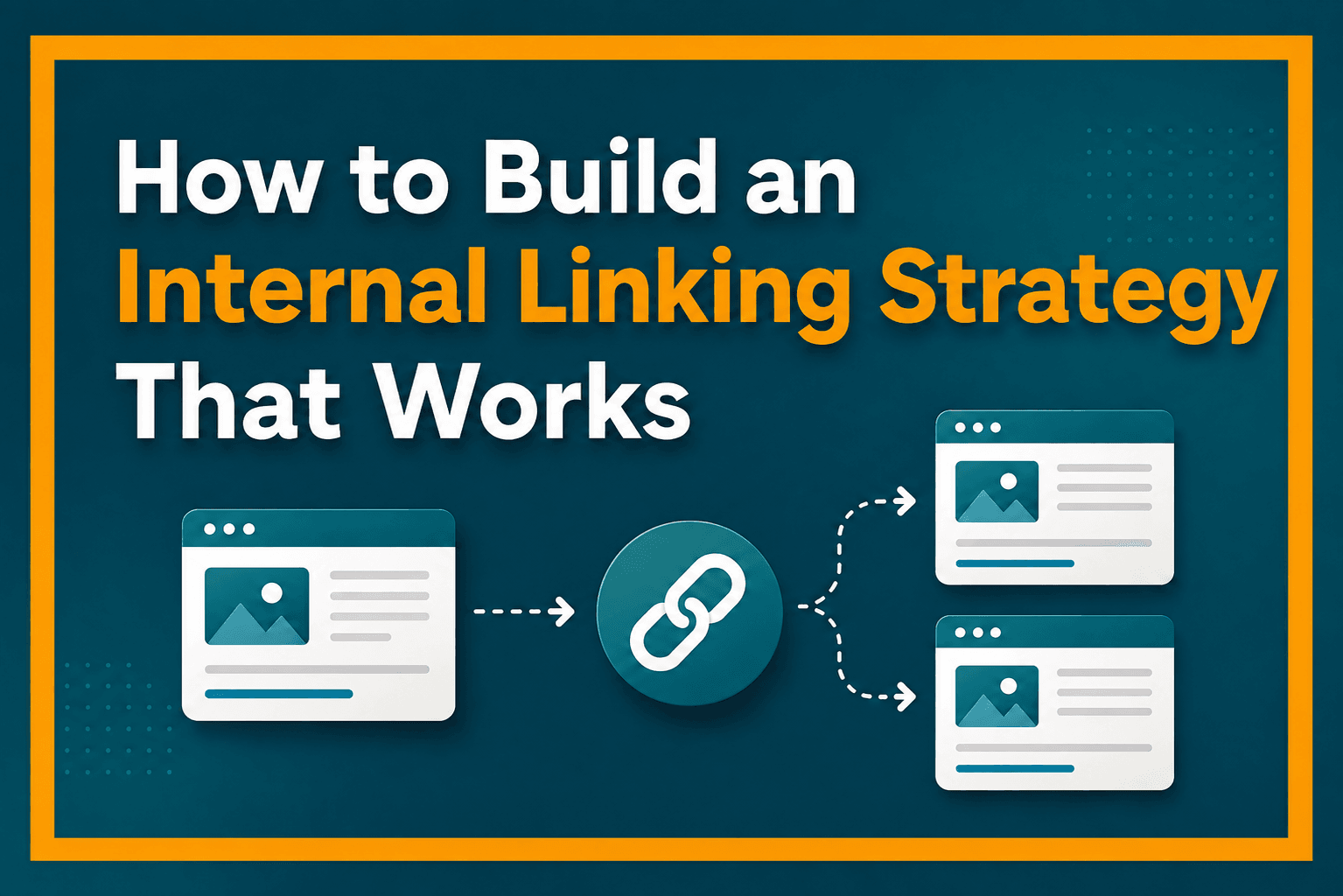
Internal links connect related resources and help users move from broad topics to deeper explanations. They are also part of how search engines discover and understand pages. Google’s sitelink guidance recommends a logical site structure and relevant internal anchor text, while Bing similarly identifies crawlable internal links as an important discovery mechanism.
Internal linking should therefore be maintained as the site grows. A new article may deserve links from established resources, while an older high-value page may need links to newer supporting material. The objective is not to insert arbitrary links but to create meaningful paths through the site’s knowledge structure.
Build Relevant Backlinks and Authority
Backlinks from other websites can introduce referral visitors, expose content to new audiences, and provide search engines with information about relationships between pages. Google’s document on its ranking systems confirms that link analysis, including PageRank, remains part of its core ranking systems, although PageRank has evolved substantially since Google’s early years.
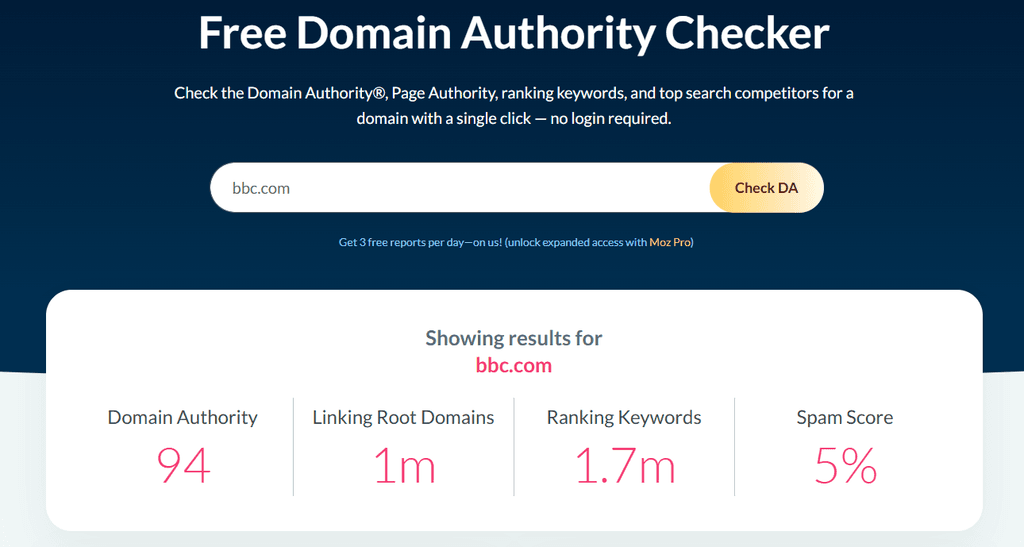
Useful backlink opportunities tend to come from resources worth referencing: original research, detailed explanations, tools, datasets, statistics, expert contributions, useful graphics, or distinctive analysis. The goal should therefore be to earn relevant references rather than accumulate links without regard to context or quality.
Find Competitor Content Gaps
Competitor analysis can reveal subjects, questions, formats, entities, or search intents that a website has not addressed sufficiently. However, a competitor ranking for a topic does not automatically mean another article should be created.
A useful gap exists when the subject matters to the site’s audience and fits its broader topical scope. Sometimes the right response is a new article; in other cases, an existing page can be strengthened with the missing dimension.
Expand Successful Topic Clusters
Search growth becomes easier to manage when related content is treated as a connected system. If a website has established visibility around a broad subject, analytics and competitor research may reveal logical supporting topics that deepen the cluster.
Expansion should move outward from genuine informational gaps rather than from an arbitrary requirement to publish a fixed number of supporting articles. In short, depth comes from useful coverage, not article count.
Protect Existing Organic Visibility
SEO growth is partly acquisition and partly retention. A website that gains 20,000 additional organic visits while losing 18,000 from established pages has grown far less than the headline increase might suggest.
Protecting visibility therefore requires monitoring successful pages, checking important backlinks and internal links, maintaining technical accessibility, watching for outdated information, and investigating meaningful declines before they become long-term losses.
How Search Analytics Guides Organic Growth
Search analytics turns organic visibility into measurable information. Without it, teams may know that total traffic increased or decreased without understanding which pages, queries, devices, countries, or search appearances caused the change.
Measure Visibility Before Traffic
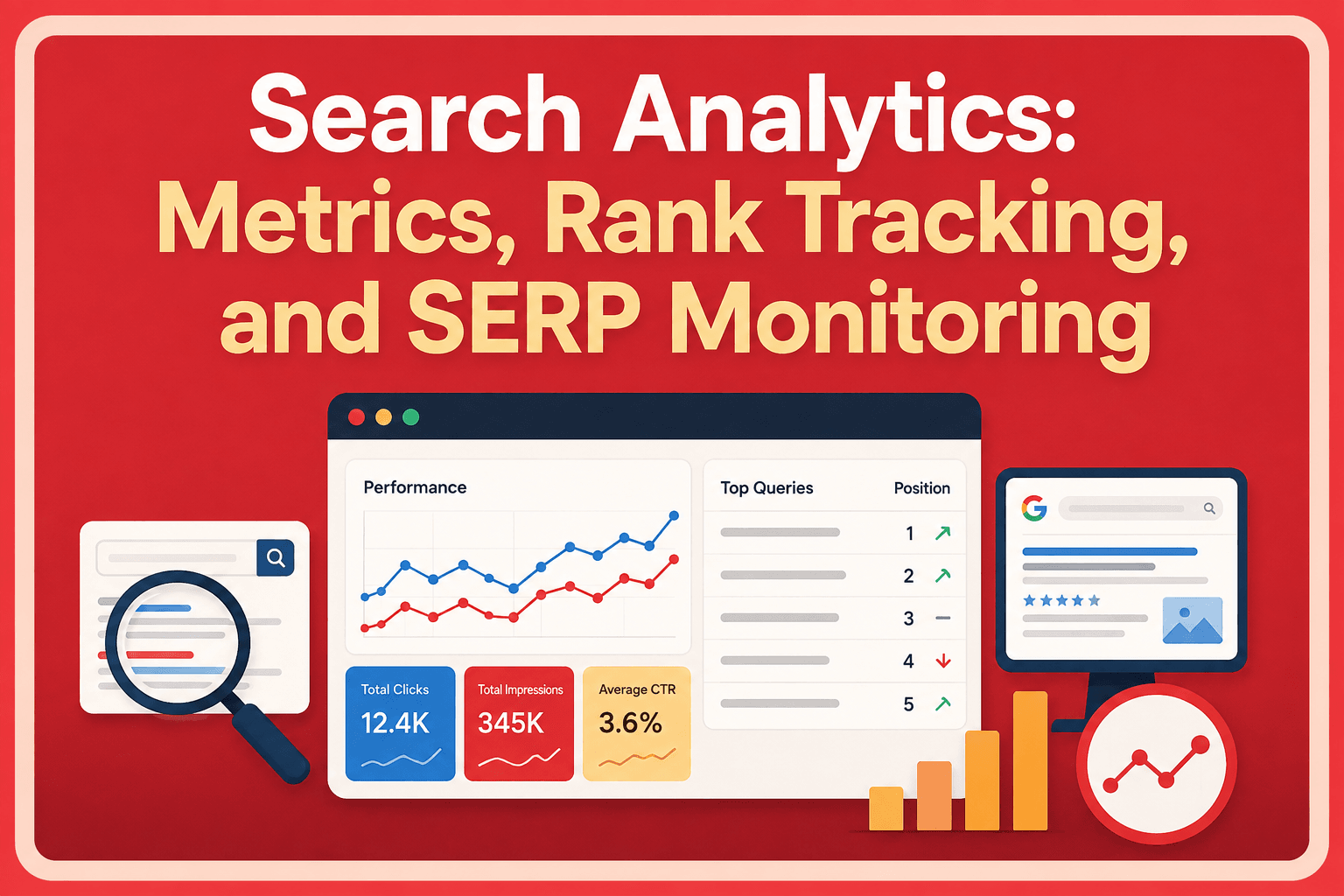
Search Console reports impressions, clicks, click-through rate, and average position, while allowing performance to be examined across dimensions including queries, pages, countries, devices, and search appearances.
Impressions are particularly valuable because they can reveal visibility before a click occurs. A page may be appearing frequently but attracting relatively few visits, which creates a very different optimization question from a page receiving almost no impressions.
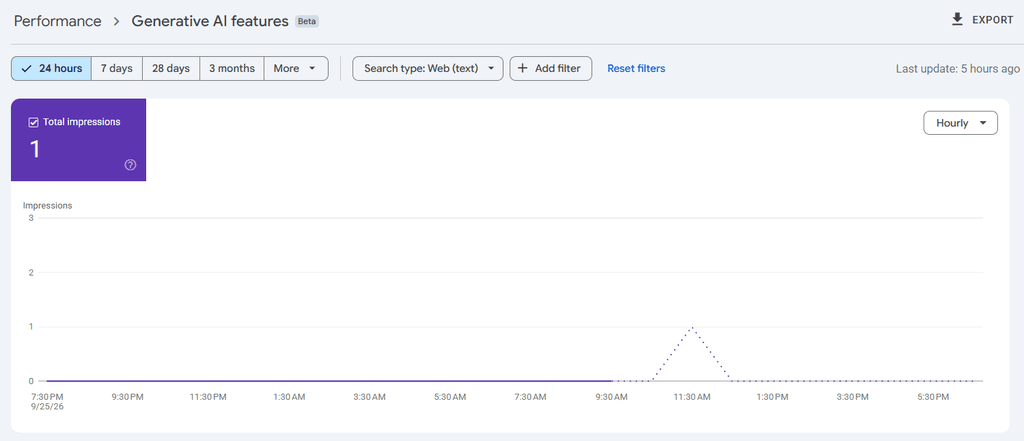
Google has also introduced a dedicated Generative AI performance report in Search Console. The report shows impressions from AI search features such as AI Overviews and AI Mode by page, device, country, and date, providing a separate view of visibility within Google’s generative search experiences.
Analyze Queries and Landing Pages
Query analysis shows how people are discovering the site, while landing-page analysis shows which pages receive that visibility. Used together, they can reveal whether an established article is appearing for unexpected searches, whether several queries are moving together, or whether one important page accounts for a substantial change in overall traffic.
This also helps uncover new content opportunities. Google even provides a Search Console analysis demonstrating how query data involving CTR, position, and clicks can be used to identify areas worth investigating.
Segment Organic Performance
Sitewide totals can hide important patterns. Organic performance can be segmented by landing page, query, device, country, search type, topic cluster, branded versus non-branded searches, or other business-relevant categories.
For example, traffic may be stable overall while mobile visibility declines and desktop visibility grows. Another site may appear to be growing when almost the entire increase comes from a single article. Segmentation therefore provides context that an overall traffic number cannot.
Identify Growing and Declining Pages
A useful organic-growth review should distinguish among pages that are growing, stable, declining, newly visible, or effectively inactive. Trends should also be compared over meaningful periods because seasonality and temporary fluctuations can otherwise create misleading conclusions.
Google recommends examining traffic drops by date range, search type, queries, and affected pages rather than reacting solely to one headline metric. It also notes that small ranking fluctuations can occur without requiring intervention.
Connect Search Performance With Website Outcomes
Search Console explains what happens before and during the search click, while analytics platforms help explain what happens after the visitor arrives. This distinction matters because the most visible page is not necessarily the page that contributes most strongly to business objectives.
A search landing page may generate newsletter subscriptions, inquiries, product exploration, repeat visits, or other valuable behavior. Conversely, high traffic may reveal little business value if visitors leave without finding what they need. Using Search and Analytics data together provides a more complete view of discovery and subsequent website behavior.
Turn Search Data Into Content Decisions
Analytics becomes valuable when it leads to action. Instead of producing a report that simply says organic clicks increased, a stronger review asks what should happen next.
Search data may indicate that a successful page deserves supporting articles, a declining page requires investigation, an overlooked query deserves deeper coverage, a high-impression result needs a clearer title or snippet, or an important content cluster needs stronger internal links.
To sum up, search analytics completes the organic-growth cycle:
Organic growth is therefore not a one-time SEO project. It is an ongoing process of understanding search demand, maintaining useful content, expanding into appropriate opportunities, and making better decisions from the evidence search performance provides.
Frequently Asked Questions
What is the relationship between search engines and organic traffic?
Search engines create unpaid discovery opportunities by displaying relevant website content for user queries. Organic traffic occurs when searchers click those unpaid results and visit the website.
What is the difference between organic traffic and organic growth?
Organic traffic measures visits from unpaid search results. Organic growth is broader and can include increasing visibility, strengthening successful content, expanding topical coverage, earning links, reaching new audiences, and generating business outcomes.
Which search engine drives the most organic traffic?
Google has by far the largest worldwide conventional search-engine share, so it is often the primary source of organic search visits. However, the contribution of Bing, Yahoo, Yandex, DuckDuckGo, Baidu, and other engines varies by audience, geography, and device.
Do search engines other than Google matter for SEO?
Yes, particularly when the target audience uses them in meaningful numbers. Bing and regionally important engines can represent additional search visibility that should not automatically be ignored.
How do SERP features affect organic visibility?
SERP features create ways to appear beyond a conventional text listing, including featured snippets, images, videos, rich results, local results, AI features, and other search experiences. They can therefore change both where a page appears and how prominently it is presented.
How does semantic search affect SEO?
Semantic search makes meaning, context, intent, concepts, and relationships more important than simple exact-word matching. Content should therefore explain subjects comprehensively and naturally rather than relying on repetitive keyword usage.
Why can organic traffic decline even when a website has not changed?
Search demand, competing pages, ranking systems, SERP layouts, seasonality, and user behavior can change even when the website remains unchanged. A decline should therefore be investigated before major edits are made.
Should old content be updated or removed?
The decision depends on whether the page remains accurate, useful, distinctive, and valuable. Some pages need refreshing, some should be consolidated, and genuinely obsolete content may eventually be retired.
How can search analytics identify organic growth opportunities?
Search analytics can reveal growing queries, declining pages, high-impression opportunities, device or geographic differences, and areas where existing content could be strengthened. Those insights can then guide updating, expansion, internal linking, and future content planning.