Content optimization helps drive traffic by making website content more relevant, useful and discoverable to its intended audience. It also supports conversions by answering questions, reducing uncertainty and guiding visitors toward actions such as subscribing, downloading a resource, requesting information or purchasing a product.
Industry research demonstrates this connection. In a B2B study, 74% of marketers said content marketing helped generate demand or leads, while 49% reported that it contributed to sales or revenue. Another study by HubSpot found that 50% of marketers at companies with blogs achieved higher blogging ROI in 2024 than in the previous year.
One can understand the link between content, lead generation and sales through a practical example. A project-management software company might publish a guide explaining how to manage remote teams. The article can attract people searching for practical advice, introduce them to the company and direct interested readers toward a template or free software trial. The content therefore creates a path from initial discovery to potential conversion.
However, publishing more pages does not automatically produce better results. Content must address genuine audience needs, suit the intended channel and support a clear marketing goal. In SEO, a well-optimized content helps pages satisfy search intent, communicate relevance and gain organic visibility by answering the questions and needs behind people’s searches.
In other words, effective content is not simply material that fills a website or social feed. It is useful information that attracts the right audience and helps them progress toward a meaningful decision.
Table of Contents
Why Content Optimization Matters in Marketing
Content is any information or experience created and shared to educate, inform, entertain or persuade an audience. It is an essential part of digital marketing as content may appear as an article, video, email, podcast, social media post, infographic, landing page, case study or product description.
A digital marketing agency, for example, could publish an introductory SEO guide, record a video explaining Google Ads, share a website-traffic checklist and create a case study showing how a client improved sales. Each asset communicates with the audience in a different way.
Content marketing is the planned use of such assets to attract and retain a defined audience and encourage profitable customer action. Content Marketing Institute describes it as a strategic approach built around creating and distributing valuable, relevant and consistent information instead of immediately pitching a product or service.
Content optimization is the process of improving existing or newly created content so it is more useful, relevant, discoverable and effective for both users and search engines. It may involve refining the topic, structure, headings, keywords, internal links, visuals, readability, freshness and calls to action so the content better supports its intended purpose.
Content, content marketing and content optimization are therefore related but not identical. A product description is content. A coordinated series of articles, emails, videos and case studies designed to attract a particular audience is content marketing. And content optimization improves individual content assets so they are more useful, relevant, discoverable and effective for the audience they are intended to serve.
Important Content Formats
Content optimization involves understanding how different formats support different audience needs and stages of the customer journey.
| Content Format | Typical Purpose | Example |
|---|---|---|
| Blog article | Education and organic discovery | Beginner’s guide to SEO |
| Video | Demonstration or explanation | Product tutorial |
| Social post | Awareness and engagement | Industry tip or infographic |
| Relationship building and retention | Educational newsletter | |
| Lead magnet | Lead generation | Template, report or checklist |
| Case study | Evidence and consideration | Customer success story |
| Landing page | Conversion | Trial, booking or download page |
The best format depends on what the audience needs Someone learning a new concept may prefer a clear article or video, while someone comparing providers may need a case study, feature table or customer testimonial.
Content matters because customers often need information before making a decision. A useful guide can introduce a problem, a comparison can clarify available options and a product page can explain how to proceed. Therefore, content supports marketing by building familiarity and confidence over time.
How Content Drives Traffic and Conversions
Traffic and conversions are connected, but they are not the same. Traffic measures visits, while a conversion occurs when a visitor completes an action that matters to the organization.
A successful content strategy must therefore answer two questions:
- How will the right people discover this content?
- What useful next step should they take after consuming it?
How Content Attracts Relevant Traffic
Content can bring visitors through several channels.
Organic search allows people to discover pages when searching for answers, products or services. Search-focused content should address a relevant topic, match the probable search intent and provide information that compares favorably with the existing results.
Search engines must also be able to discover and process the page. Google Search Central explains that Google uses automated crawlers to discover webpages and then processes eligible pages for indexing. Internal links can help users navigate related resources while helping Google discover other pages on the website.
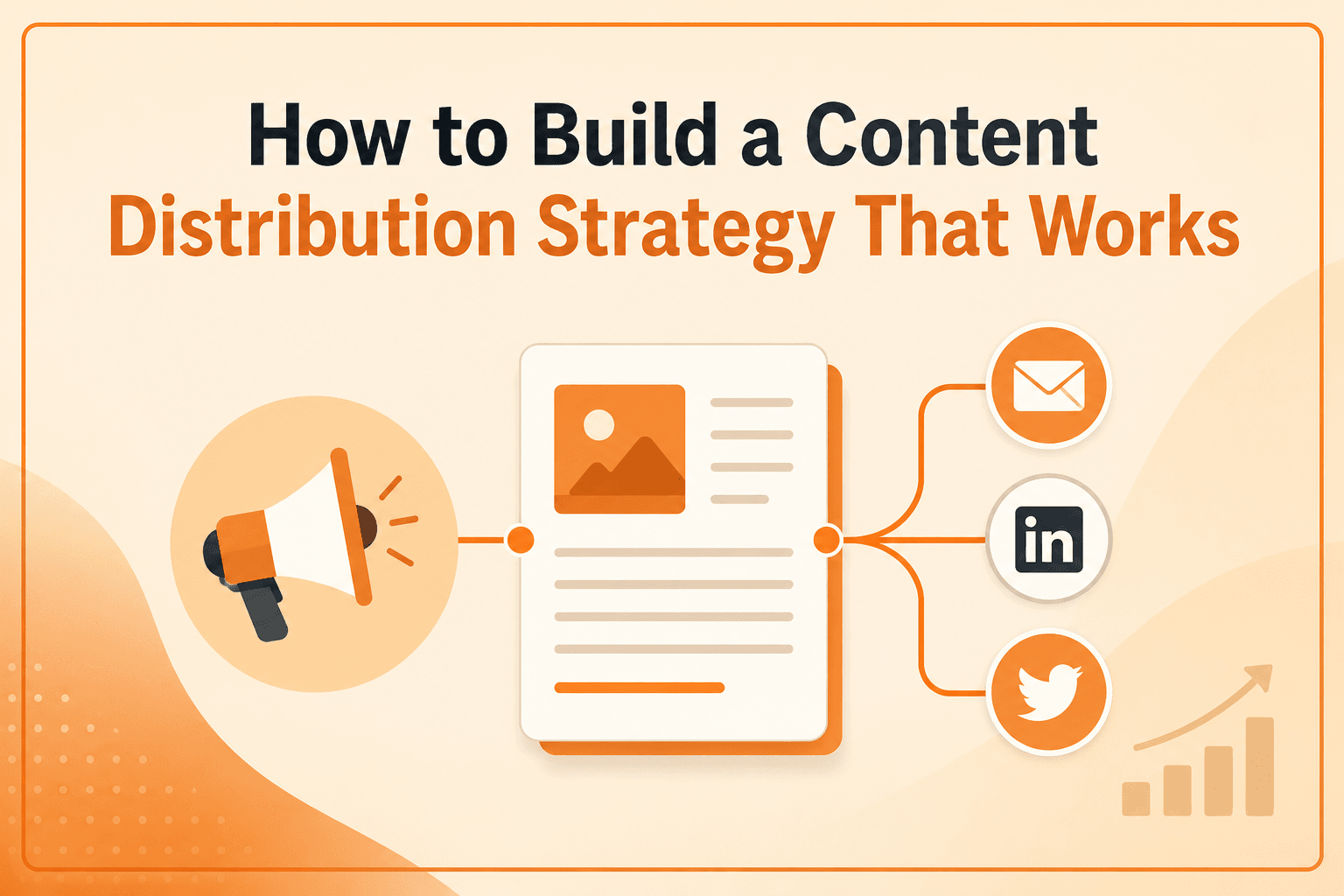
Social media can expose content to people who were not actively searching for it. An article may be repurposed into a short video, infographic, carousel or discussion post, with the website providing the complete resource.
Email distribution brings existing subscribers back to useful pages. Unlike search and social discovery, email reaches an audience that has already expressed interest in the organization.
Referral traffic can develop when other websites, newsletters or communities link to a useful guide, original study, template or tool. Such references can introduce the content to new audiences and generate additional referral traffic.
Evergreen content can continue attracting visitors after its initial publication because the underlying subject remains useful. However, evergreen does not mean maintenance-free. Facts, screenshots, examples and recommendations should be reviewed so the page remains accurate.
Optimizing Content for Conversions
Traffic has limited business value when visitors arrive, read or view the content, and leave without understanding what to do next. Content supports conversions by reducing the gap between a customer’s problem and the organization’s solution.
For example, someone reading What Is Email Marketing? may be at an early educational stage. A reader comparing the best email marketing platforms is evaluating options, while a person visiting a free-trial page may be ready to act.
| Customer Stage | Audience Need | Suitable Content | Possible Next Step |
|---|---|---|---|
| Awareness | Understand a problem | Guide, glossary entry or video | Read a related article |
| Consideration | Compare possible solutions | Review, comparison or case study | View features or download a guide |
| Conversion | Select and obtain a solution | Product, pricing or service page | Purchase, book or start a trial |
| Retention | Gain continuing value | Tutorial, email or knowledge base | Renew, upgrade or recommend |
It is therefore important to match the call to action with the reader’s stage. Asking a first-time visitor to purchase an expensive service may be premature. Inviting that person to read a related guide, subscribe to a newsletter or download a checklist may be more appropriate.
Content also strengthens conversion decisions by answering practical questions. A software buyer may want to know about pricing, integrations, support and implementation. A potential agency client may need evidence of previous results, information about the process and an explanation of what the service includes.
In other words, conversion-focused content should not rely only on persuasive claims. It should provide the information and evidence necessary for an informed decision.
Search Intent Connects Traffic with Conversion Potential
Search intent describes what a person wants to accomplish. It helps determine whether the right content is being presented to the right visitor.
A search for how project-management software works may require an educational explanation. A search for best project-management tools usually calls for a comparison, while start project-management software trial requires a clear landing page. Before creating content, check top-ranking search results on Google or Bing.
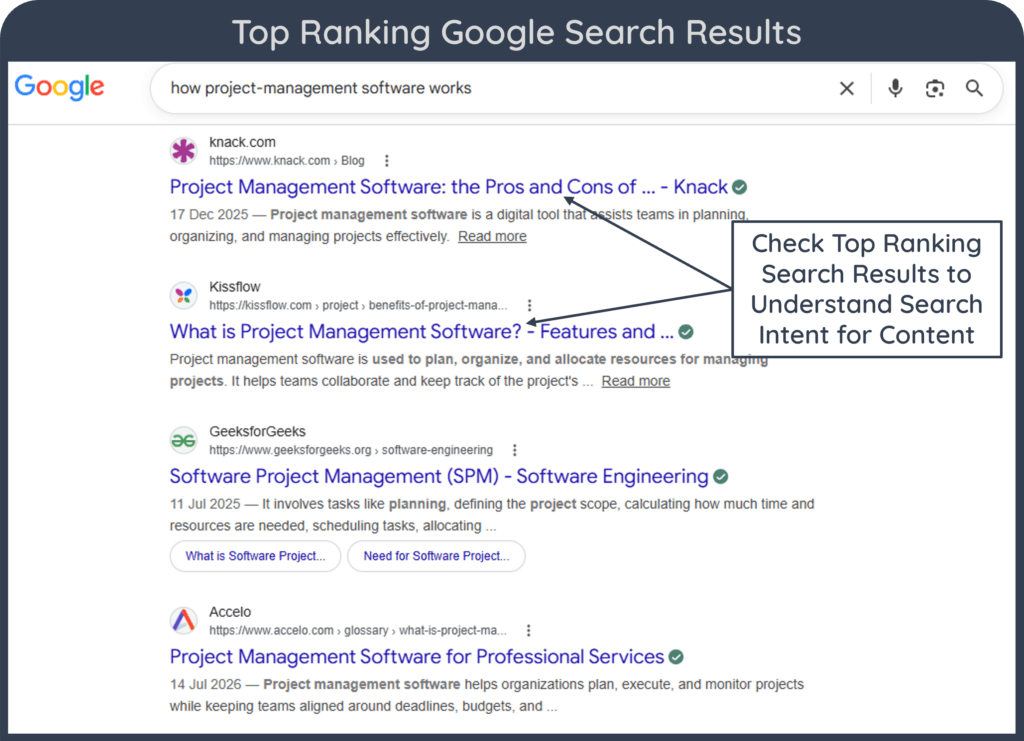
A page may attract traffic but convert poorly when its format does not match that need. Therefore, content planning should consider both the topic and the expected outcome behind the query.
How to Plan, Optimize and Measure Content Performance
Strong content usually begins with a defined audience and objective rather than an empty publishing calendar.
Before creating a page, identify:
- Who the content is for
- What problem or question it addresses
- What the audience already understands
- Which format best serves the need
- How people will discover it
- What action should follow
- How success will be measured
For example, a beginner’s guide may aim to attract organic traffic and build awareness. A comparison page may support product evaluation, while a customer case study may help sales teams address concerns during the decision stage.
Use a Practical Content Plan
A content calendar connects ideas with production and distribution.
| Field | Purpose |
|---|---|
| Topic | The principal subject |
| Audience | The intended reader or viewer |
| Goal | Traffic, engagement, leads or sales |
| Search intent | The need behind the query |
| Format | Article, video, email or other asset |
| Distribution | Search, social, email or outreach |
| Call to action | The intended next step |
| Publication date | The scheduled release |
| Status | Planned, drafted, reviewed or published |
The calendar should support the strategy rather than become an administrative burden. A smaller number of purposeful content assets can be more valuable than a large publishing schedule filled with weak or unrelated ideas.
Content Optimization for Readers and Search Systems
Search optimization helps make the subject and structure clear. Important practices include using a descriptive title, answering the main question early, organizing information with logical headings and linking to useful supporting pages.
Keywords can identify the audience’s language, but they should be used naturally. Repetition does not compensate for weak information. Google Search Central’s SEO Starter Guide advises creating helpful, reliable, people-first content and using terms that readers may employ when searching for the subject.
Content should also be easy to consume. Clear paragraphs, examples, tables and meaningful visuals can help readers understand complex information. However, formatting should support comprehension rather than divide every sentence into a separate block.
Existing content should be reviewed periodically. An update may involve correcting outdated facts, replacing broken links, improving examples, clarifying weak sections or adjusting the call to action. A page should not be refreshed by changing its date alone.
Measure More Than Page Views
Measurement should reflect the content’s intended purpose.
Useful traffic and engagement indicators include:
- Organic visits
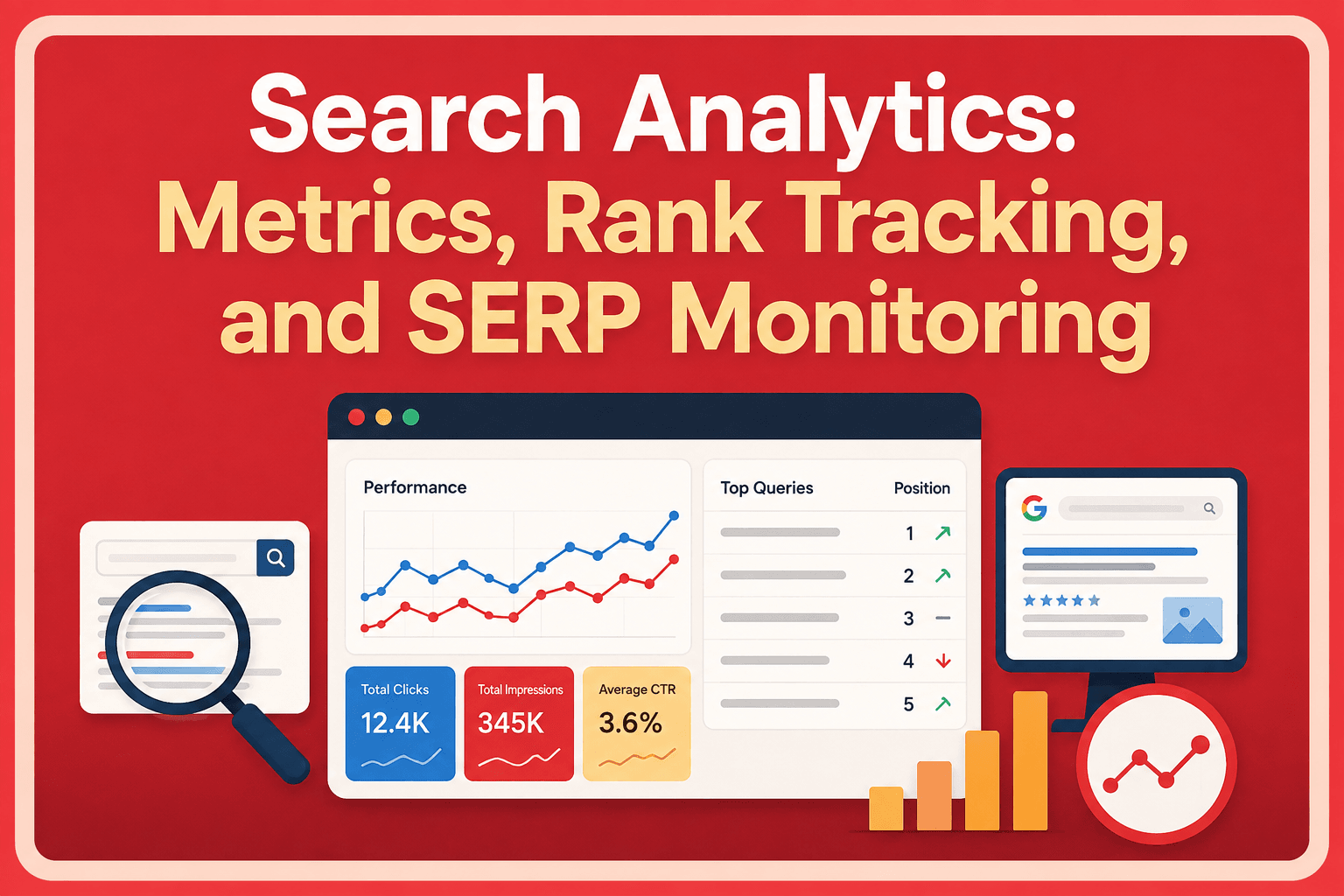
- Search impressions and clicks
- Engaged sessions
- Returning visitors
- Email subscriptions
- Resource downloads
- Form submissions
- Trial registrations
- Purchases or revenue
Google Analytics uses events to measure user interactions. Page views are collected automatically, while outbound link clicks can be tracked through Enhanced Measurement. Important events can then be marked as key events and included in reports.
A high-traffic article may still need improvement when it produces little engagement or no useful next action. Conversely, a lower-traffic comparison or case study may be highly valuable when it influences qualified inquiries or sales.
Content Optimization and Content Creation Tools
Tools can improve research, production, publishing and measurement. However, they should support human judgment rather than determine the strategy.
| Tool Category | What it Supports | Examples |
|---|---|---|
| Topic and keyword research | Demand, questions and search trends | Google Trends, Search Console, Semrush, Ahrefs |
| Writing and editing | Drafting, clarity and proofreading | Google Docs, Microsoft Word, Grammarly |
| Content optimization | Search intent and topic coverage | Semrush, Ahrefs, Frase, Surfer |
| Content management | Publishing and organizing pages | WordPress, Shopify, Wix |
| Visual production | Images, diagrams and social assets | Canva, Adobe Express |
| Analytics | Traffic, behavior and key actions | Google Analytics, Search Console |
| AI assistance | Brainstorming, outlines and revisions | ChatGPT, Gemini, Claude |
A content management system allows teams to organize, edit and publish website material. Design tools can create supporting graphics and reusable templates, while analytics platforms show how people discover and interact with published pages.
For example, Canva supports formats such as social graphics, videos, posters and presentations, while Grammarly provides suggestions related to grammar, spelling, punctuation, clarity and conciseness.
AI tools can help with brainstorming, summarization, outlining and editing. However, generated material should be reviewed for accuracy, originality, tone and usefulness. Google’s document on generative AI states that generative AI can assist with research and structure, but publishing many generated pages without adding value may violate its scaled-content-abuse policy.
It is therefore important to treat AI output as working material rather than unquestioned final content. Subject expertise, original examples, factual verification and editorial review remain necessary.
Conclusion
Content drives traffic by helping relevant audiences discover a business through search, social media, email and referrals. It supports conversions by answering questions, building trust and guiding people toward suitable next steps.
However, effective content marketing requires more than frequent publishing. Each asset should serve a defined audience, match a genuine need, support a clear goal and be measured against an appropriate outcome.
This principle also applies to AI-powered search. Google’s AI features guide states that established SEO fundamentals continue to apply to AI Overviews and AI Mode, without requiring separate AI-specific files or technical markup.
To sum up, the strongest content is useful enough to attract attention, credible enough to build confidence and purposeful enough to encourage meaningful action.
Frequently Asked Questions
How does content optimization help increase website traffic?
Content optimization helps increase website traffic by making content more relevant, useful and discoverable for the people searching for it. Improving elements such as search intent alignment, topic coverage, headings, keywords, internal links, readability and freshness can help content perform better in search results and attract more qualified visitors.
How does content turn visitors into customers?
Content explains problems, presents possible solutions and reduces uncertainty. Guides may build awareness, comparisons can support evaluation, and product pages or case studies can provide the information needed before a purchase or inquiry.
Which types of content generate the most traffic?
The most effective format depends on the audience and distribution channel. Search-focused guides may generate sustained organic visits, while videos and social posts can expand reach. The strongest choice is the format that best satisfies the intended need.
What content works best for lead generation?
Templates, reports, checklists, webinars, free tools and useful email courses can generate leads when they solve a genuine problem. The requested contact information should remain proportionate to the value of the resource.
How long does content optimization take to produce results?
The timeline varies according to the channel, competition, the website’s existing visibility, content quality and distribution. Social or email content may attract immediate attention, while organic search visibility often develops gradually as pages are discovered and evaluated.
How can content-marketing performance be measured?
Performance can be measured through traffic, search visibility, engagement, subscriptions, downloads, inquiries, trial registrations, purchases and revenue influenced by content. The selected metrics should correspond with the original goal of each asset.
Should old content be updated or replaced?
Useful pages should usually be updated when their subject remains relevant. Replacement, consolidation or redirection may be better when several pages overlap, the content no longer serves the audience or the information cannot be corrected effectively.
Can AI-generated content attract traffic and conversions?
Yes, but only when the final content is accurate, useful, original and aligned with audience needs. AI can improve efficiency, while human expertise, verification, examples and editorial judgment determine whether the material deserves attention and trust.