Key Takeaways
- Branded keywords include a company, product, service, or organization-associated name, distinguishing them from generic, non-branded queries.
- They often indicate more specific intent, including navigation, comparison, purchasing, support, account access, refunds, or troubleshooting.
- Branded keyword data helps marketers understand potential buyers and existing customers, while evaluating conversion potential, reputation, and search-result control.
- Effective SEO practices include matching each query with the appropriate page, keeping official business and product information current, and addressing underperforming or competing results.
Branded keywords are search queries that include a company, website, brand, product, service, or another name closely associated with a specific organization. Branded queries can also include misspellings, variations, a domain name, or distinctive products and services closely associated with the brand.
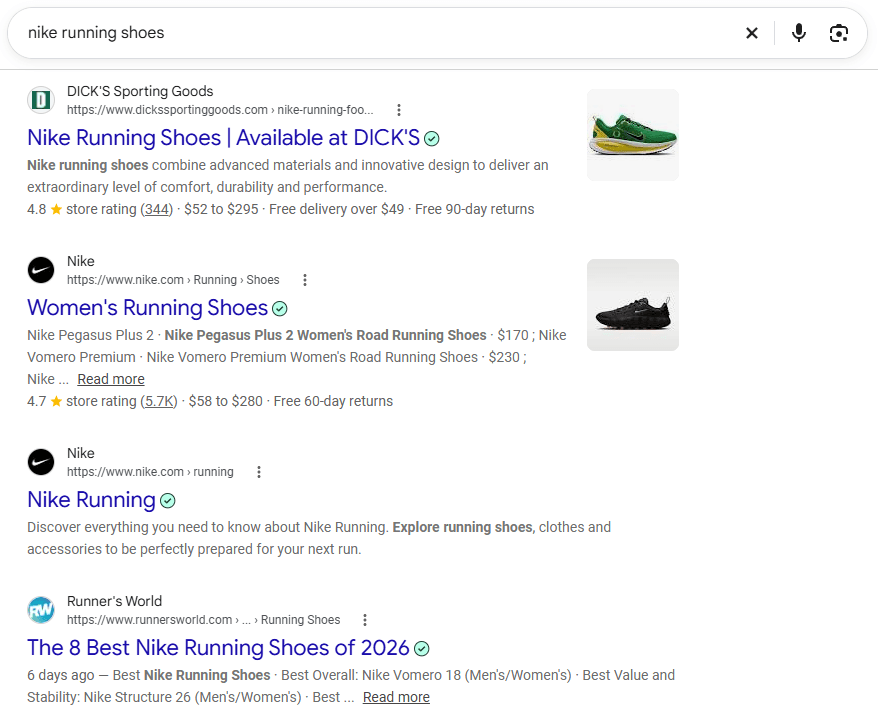
Unlike generic keywords such as “running shoes,” branded keywords indicate that the searcher already knows the brand or product and is looking for something connected to it, such as “Nike running shoes.”
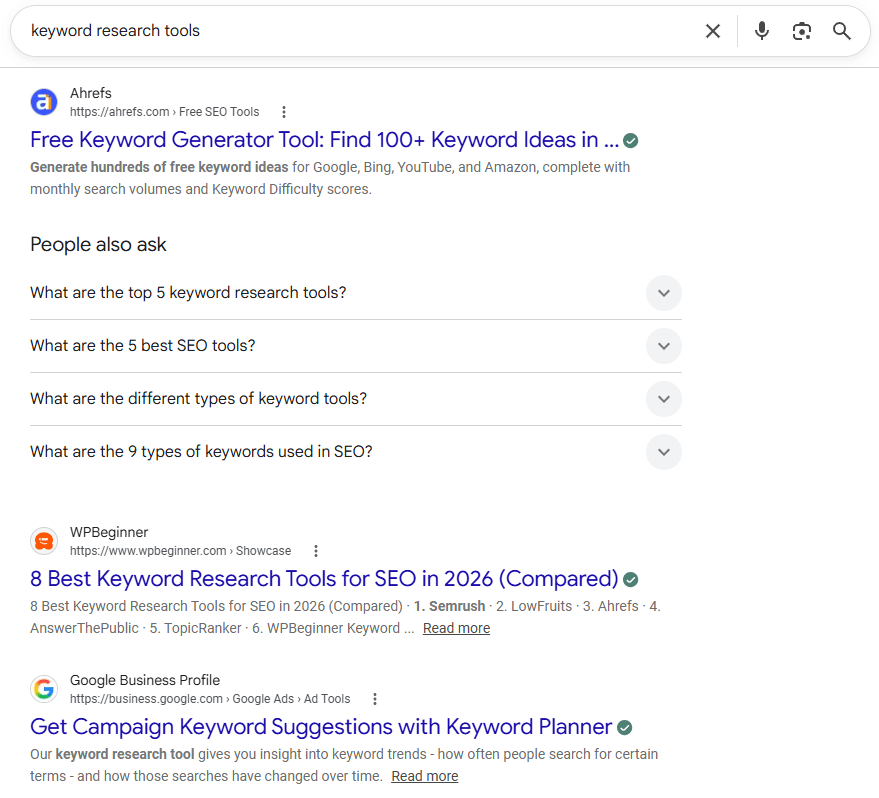
Branded searches can appear at many stages of the customer journey. Someone might simply search “Canva,” compare “Canva vs. Adobe Express,” look for “Canva pricing,” or return later for “Canva login” or “Canva refund policy.” This makes branded keyword data useful for understanding both potential buyers and existing customers.
Common Examples and Features of Branded Keywords
Branded searches usually fall into a few recognizable groups:
- Pure Brand Name: A direct search for the company or brand, such as Apple, HubSpot, or Toyota.
- Brand + Product or Service: A brand combined with a particular offering, such as iPhone 16, Slack pricing, or PlayStation controller.
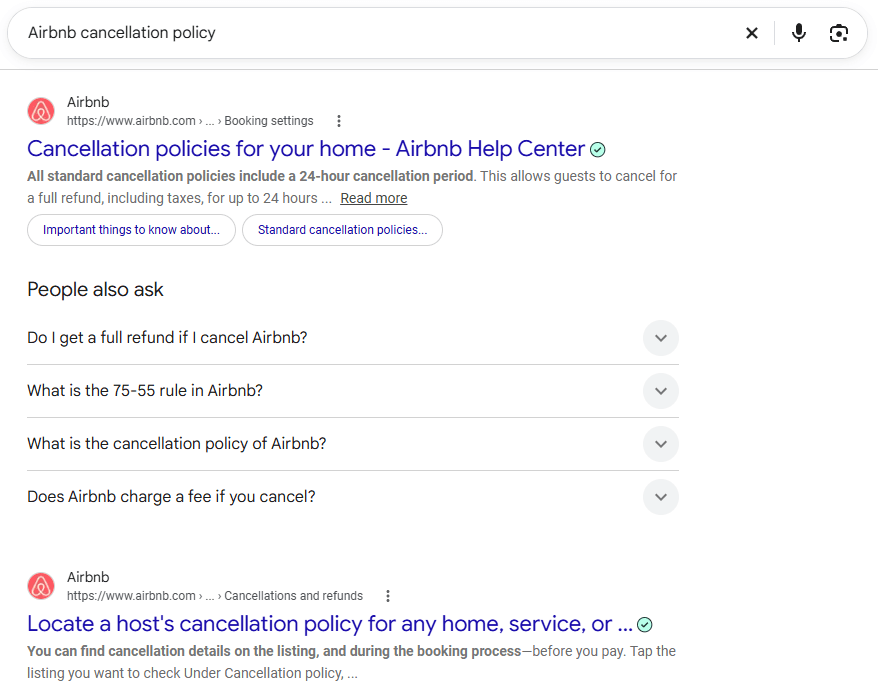
- Brand + Action or Intent: A query aimed at a particular task or destination, such as Netflix login, Amazon customer service, or Airbnb cancellation policy.
Branded keywords generally reflect existing awareness. The searcher already knows the company, product, or service, so the intent is often more specific than it would be for a broad discovery query.
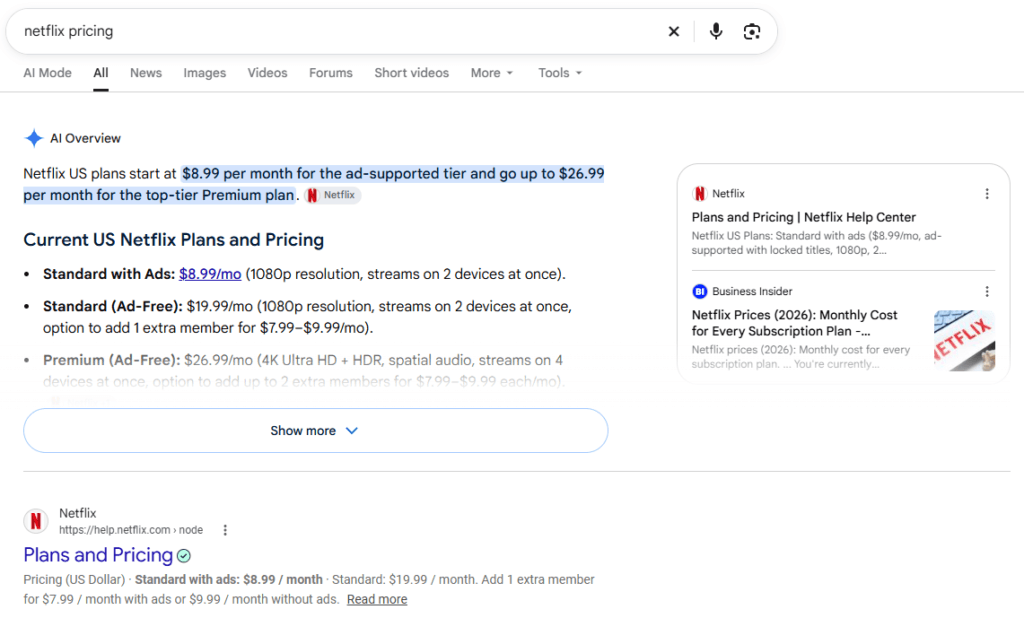
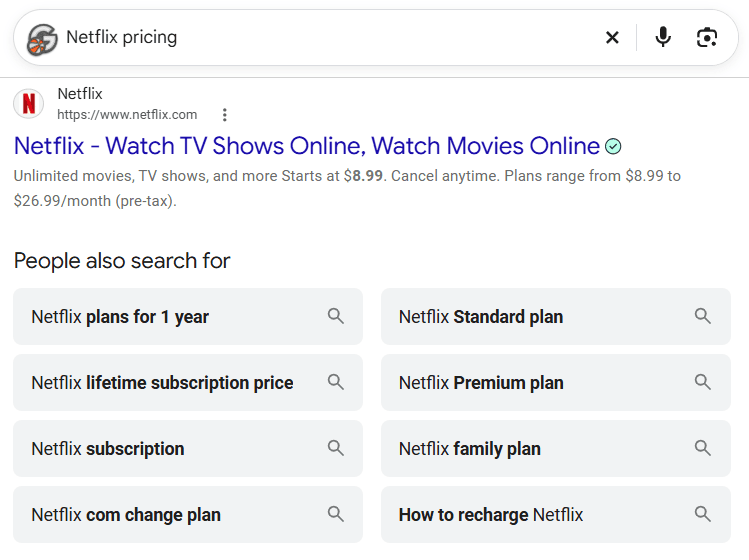
These keywords can also have higher conversion potential. Someone searching “project management software” may still be comparing dozens of options, while a search for “Netflix pricing” suggests that the user has already narrowed the field considerably.
However, branded searches are not always commercial. They can involve support, reviews, complaints, account access, refunds, policies, comparisons, or troubleshooting. Understanding the intent behind the brand name is therefore more useful than simply counting how often the brand appears in queries.
Why Branded Keywords Are Valuable
Branded keywords are valuable because they often come from users who already recognize the brand and have a more specific reason for searching.
- Higher Conversion Potential: Many branded searches happen after initial brand discovery. Queries such as “HubSpot pricing,” “Nike Pegasus 41,” or “Adobe Creative Cloud trial” often come from users who are closer to a purchase or another meaningful action, making branded traffic more qualified than broad discovery traffic.
- Reputation and SERP Presence: Branded search results influence how users perceive a company. Strong official pages for products, support, policies, reviews, and other important information help the brand present accurate, current information instead of leaving the search experience dominated by review sites, marketplaces, forums, or outdated third-party pages.
- Defensive SEO: Branded visibility also has a defensive role. Competitors can sometimes advertise against another company’s brand name. Google’s current advertising policy states that it generally does not restrict the use of trademarks as keywords, although use of a competitor’s trademark within the ad itself may be restricted in certain circumstances. A company that already ranks strongly for its important branded queries is therefore better positioned to capture users who are actively looking for it.
- Paid Search: Branded keywords can also face less organic competition than broad category terms and may be efficient in paid campaigns. However, competition and advertising costs associated with paid search may vary by brand, industry, geography, and market maturity, so branded terms should not automatically be assumed to be cheap.
Optimizing for Branded Queries and Keywords
Optimizing branded keywords does not mean repeatedly inserting the company name into pages. The goal is to understand what people want when they search for the brand and make sure the best page answers that need.
Optimize for Potential Buyers
Pre-purchase branded searches often reveal commercial investigation or buying intent. Examples include Brand A vs. Brand B, Brand product list, Brand product pricing, Brand services, Brand locations, Brand product reviews, Brand alternatives, and Brand free trial.
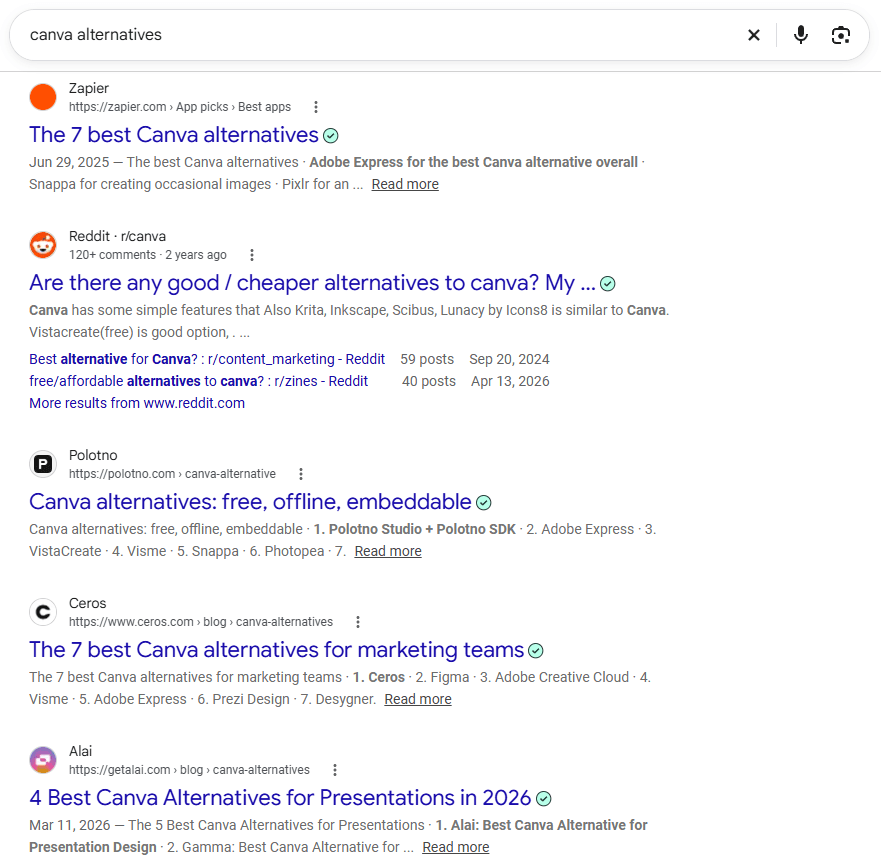
These searches may require pricing pages, product or service pages, comparison guides, testimonials, case studies, location pages, demonstrations, or FAQs. The important point is to match the page type to the intent. A person searching “Brand A pricing” should not have to dig through a generic homepage to find pricing information.
Optimize for Existing Customers
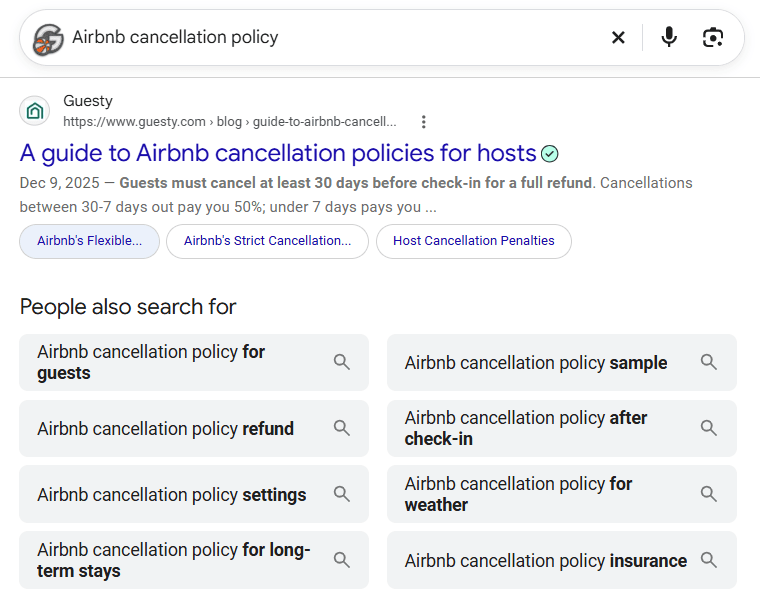
Post-purchase branded searches are equally important. Examples of such queries and keywords include Brand login, Brand refund policy, Brand subscription upgrade, Brand subscription policy, Brand customer service, Brand customer service number, Brand contract, Brand cancellation policy, and Brand account settings.
These queries often need support, account, policy, billing, or transactional pages rather than traditional marketing content. This is why branded SEO should not be viewed only as customer acquisition. A substantial part of branded search can involve customer retention, support, account management, and trust after purchase.
Analyze Underperforming Branded Keywords
Search data may reveal branded queries where:
- the wrong page ranks;
- the official site ranks unusually low;
- CTR is weak despite good visibility;
- an outdated page is appearing;
- a third-party page outranks the official answer;
- multiple pages compete for the same branded query;
- the existing page does not satisfy the searcher’s intent.
These cases should be investigated individually. Improvements might involve rewriting titles, clarifying page purpose, strengthening internal links, updating information, consolidating overlapping pages, or creating a dedicated page when a genuine user need is not being addressed.
Update Outdated and Unhelpful Branded Content
Old branded pages can create particularly poor experiences because users often assume information on the official website is authoritative. It is therefore important to regularly review pricing, products and services, refund and cancellation policies, support information, FAQs, store or office locations, contracts and subscription terms, discontinued products, and comparison pages.
The objective here is not simply to rank for the branded query, but to ensure that the official answer is actually useful once the user arrives.
How New Brands Can Rank for Branded Keywords
New companies first need to establish a clear and consistent identity so search engines and users can easily recognize the brand and connect it with the correct website, products, and profiles.
- Keep Brand Information Consistent: Use the same organization, website, product, and brand names across the website and official profiles. Clear homepage, About, Contact, product, service, and support pages help establish what the company is and what it offers.
- Use Organization Structured Data: Appropriate organization structured data can help Google understand and disambiguate an organization. Google recommends properties such as
name,url, forlogofor websites, andsameAsfor relevant social, review, or other profile pages. - Target Emerging Branded Queries: Create useful pages or content for genuine long-tail searches such as brand pricing, brand reviews, brand tutorial, or brand alternatives when those queries begin to appear.
- Build Brand Recognition Beyond SEO: SEO alone cannot create meaningful branded demand. PR, advertising, partnerships, customer experience, social media, word of mouth, reviews, and content all help people discover, remember, and search for the brand.
How to Find, Track, and Manage Branded Search
Start manually by searching the brand on Google and Bing. Check autocomplete suggestions, related searches, People Also Ask results, and recurring modifiers such as pricing, reviews, login, refund, locations, support, and alternatives.
Use Search Data
Google Search Console is particularly useful because its Performance report shows the queries that cause a website to appear in Google Search, together with metrics such as clicks, impressions, CTR, and average position.
Bing Webmaster Tools provides similar keyword-level search-performance information, including clicks, impressions, CTR, and average position. Its Keyword Research tool can also show keyword ideas, search volume, and trends.
Third-party SEO platforms such as Ahrefs, Semrush, and SE Ranking can supplement this information with ranking history, estimated search volume, competitor visibility, and keyword tracking.
Manage Branded Search Presence
Regularly searching the company and its products, services, and other important brand terms can help webmasters understand what users actually find on search engines and AI search systems. It is also important to check for outdated pages, incorrect information, weak official results, competitor ads, unofficial support pages, or third-party content that appears more prominently than it should.
The goal is not to control every result, but to make sure accurate, useful official information is easy to find for important branded searches.
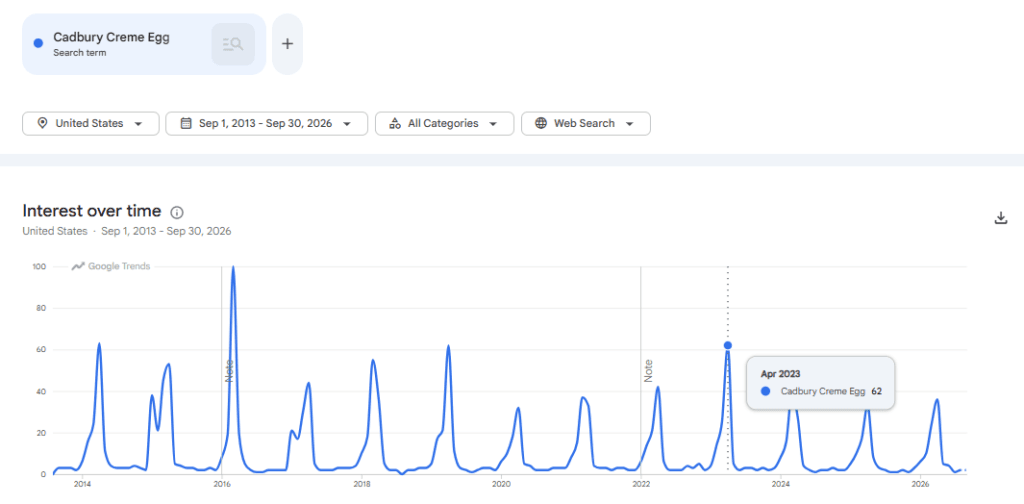
Branded Search in the Age of Artificial Intelligence
Branded discovery is no longer limited to a list of traditional blue links. AI-powered search experiences can answer complex questions, compare options, and surface links to supporting websites within generated responses.
Google says that the same foundational SEO practices continue to apply to AI Overviews and AI Mode, and that there are no special technical requirements or special schema markup required specifically for those experiences.
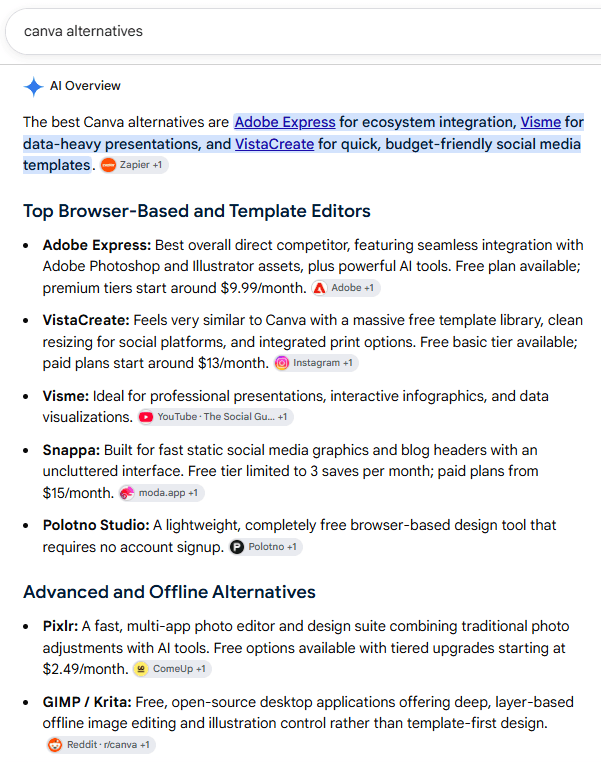
For brands, this makes clarity increasingly important. Keep organization names, products, services, profiles, structured data, business information, and important factual details consistent and current. Credible third-party coverage, customer reviews, expert references, and original information can provide additional independent context about a brand across the web.
Frequently Asked Questions
What is the difference between branded and non-branded keywords?
Branded keywords contain a specific company, product, or brand name, such as “Nike running shoes.” Non-branded keywords describe the need without identifying a particular brand, such as “running shoes.”
Are branded keywords important for SEO?
Yes. They can attract highly qualified visitors, reveal customer intent, help brands strengthen their presence in important search results, and show how people search for products, support, policies, reviews, and other brand-related information.
How can a new business increase branded searches?
A new business must first build awareness through useful products or services, content, PR, advertising, social visibility, partnerships, reviews, and customer experience. Consistent brand naming and a clear online entity presence then help search engines connect those searches with the correct organization.
How can I find the branded keywords people use for my company?
Start with Google Search Console and Bing Webmaster Tools, then search the brand manually on Google and Bing. SEO platforms and brand-monitoring tools can provide additional keyword, ranking, mention, and competitor data.