
Key Takeaways
- A lead magnet exchanges a useful resource, incentive, or experience for contact information or another meaningful action.
- It converts anonymous website visitors into identifiable leads who can be segmented, measured, nurtured, and followed up.
- Effective lead magnets address a specific audience need, communicate clear value, minimize friction, and connect naturally with the business’s offering.
- Success depends on relevant, engaged leads and meaningful business outcomes, not simply high download, signup, or email-list growth rates.
A lead magnet is a useful resource, incentive, or experience offered to potential customers in exchange for contact information or another action that allows a business to continue the relationship. Examples include downloadable checklists, ebooks, free trials, templates, webinars, discounts, and online calculators.
A lead is a person or organization that has shown interest in a product or service but has not necessarily become a customer. A website may attract thousands of anonymous visitors, but once a visitor submits an email address to download a guide, register for a webinar, request a demo, or claim an offer, that anonymous website traffic can be converted into identifiable leads.
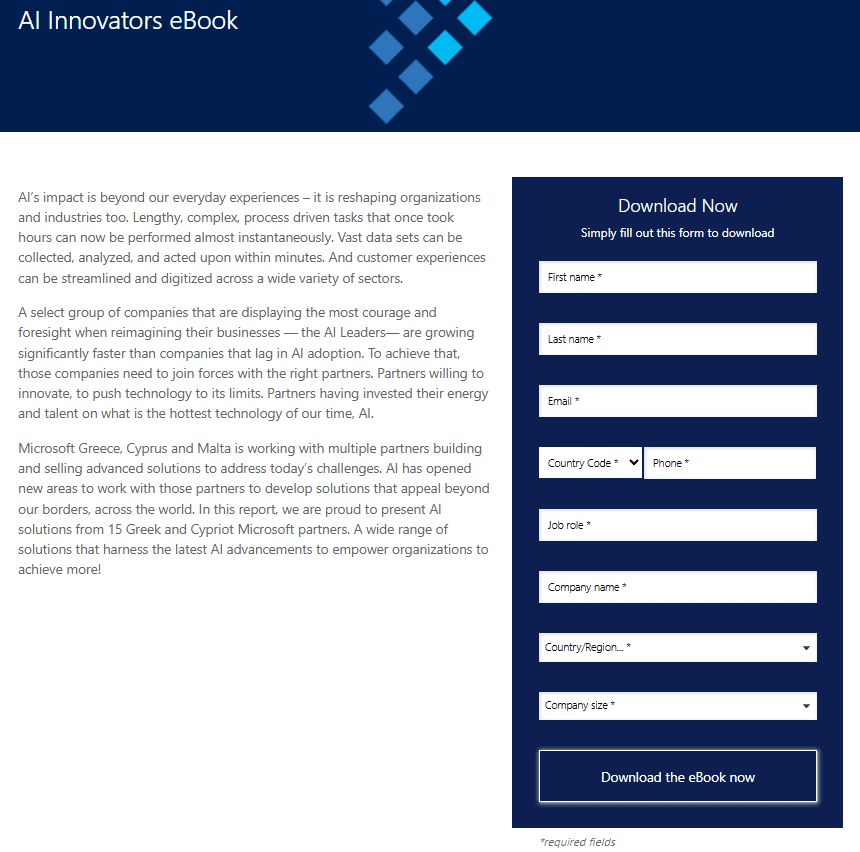
The lead magnet provides the incentive for that exchange. Instead of asking visitors to subscribe without giving them a clear reason, the business offers something relevant and useful in return. The lead can then be nurtured through email, sales outreach, product education, or other marketing activities.
How Lead Magnets Help Improve Conversions
Lead magnets create opportunities to continue engaging visitors after their initial interaction with a website. They can support conversions in several ways:
- Email list growth: A relevant resource can encourage visitors to voluntarily provide an email address and join a mailing list.
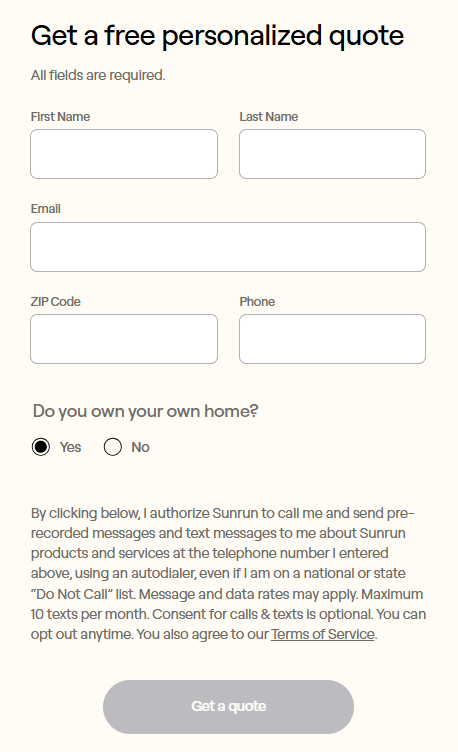
- Lead generation: Anonymous visitors become identifiable prospects who can be segmented, measured, and nurtured.
- Authority and trust: Useful guides, original research, tools, or educational resources can demonstrate knowledge and give potential customers a reason to return.
- Lead nurturing: Follow-up emails can provide additional information and gradually move interested prospects toward a purchase, consultation, demo, or another conversion.
- Product discovery: Trials, demos, samples, calculators, and similar lead magnets allow potential customers to experience or better understand an offering before making a larger commitment.
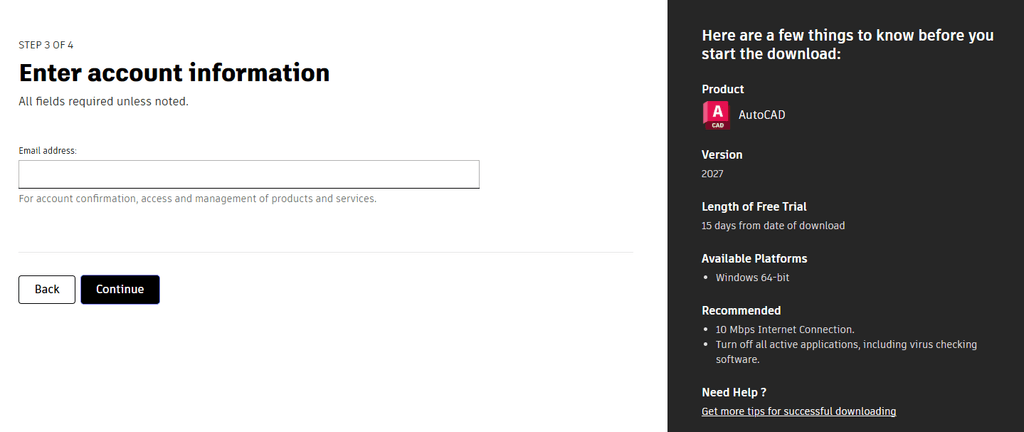
The objective is not simply to collect as many email addresses as possible. A smaller number of relevant leads may ultimately be more valuable than a large list of people with little genuine interest.
Common Types of Lead Magnets
Different formats work for different audiences, products, and stages of the marketing funnel.
- Templates and Checklists: Templates, worksheets, cheat sheets, and checklists provide something visitors can use immediately. A technical SEO checklist, content brief template, or campaign-planning worksheet can turn educational content into a practical resource.

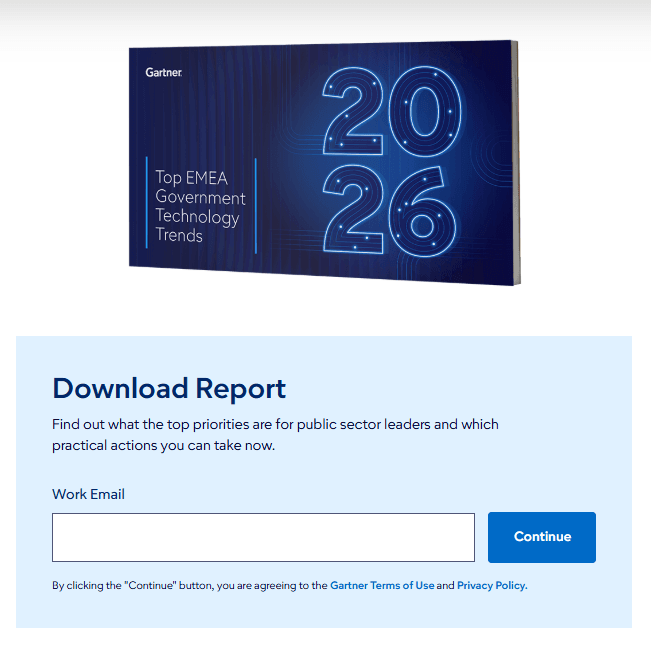
- Ebooks and Whitepapers: Ebooks, guides, reports, and whitepapers work well when a topic requires greater depth. They are particularly common in B2B marketing, where potential customers may research a subject extensively before contacting a company.

- Mini-Courses and Webinars: Courses, webinars, workshops, and recorded training sessions can teach a process while allowing a business to demonstrate expertise.

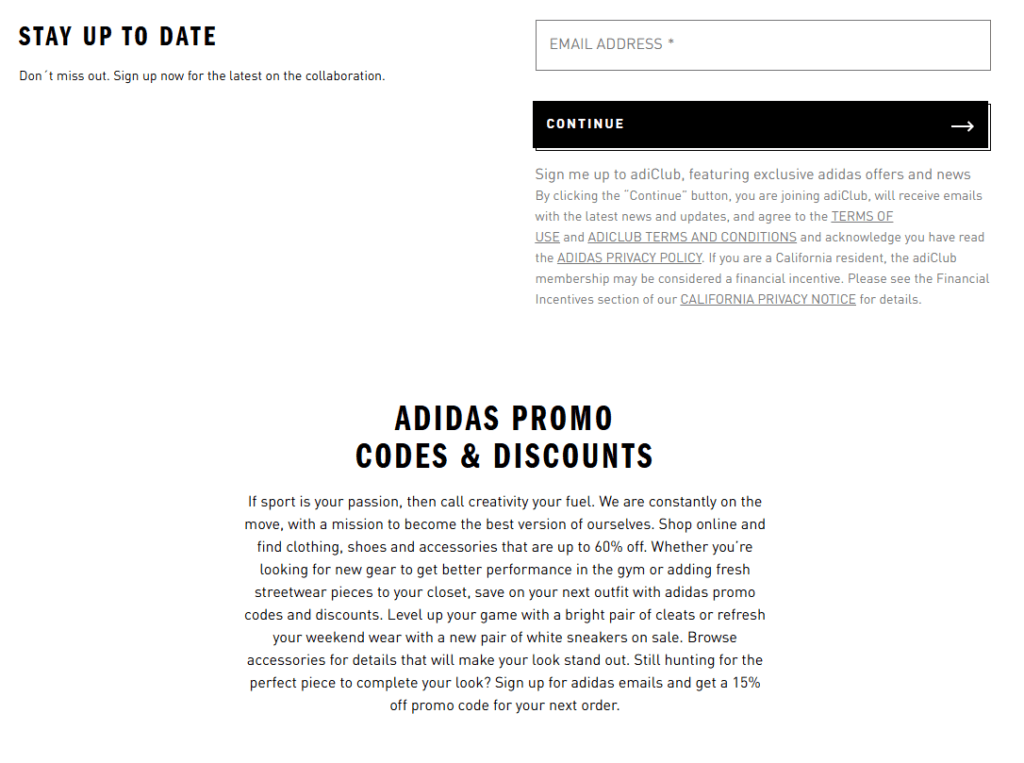
- Discounts and Free Shipping: Ecommerce businesses often offer discount codes, first-order savings, or free shipping in exchange for signup information. These offers can combine lead generation with an immediate purchase incentive.
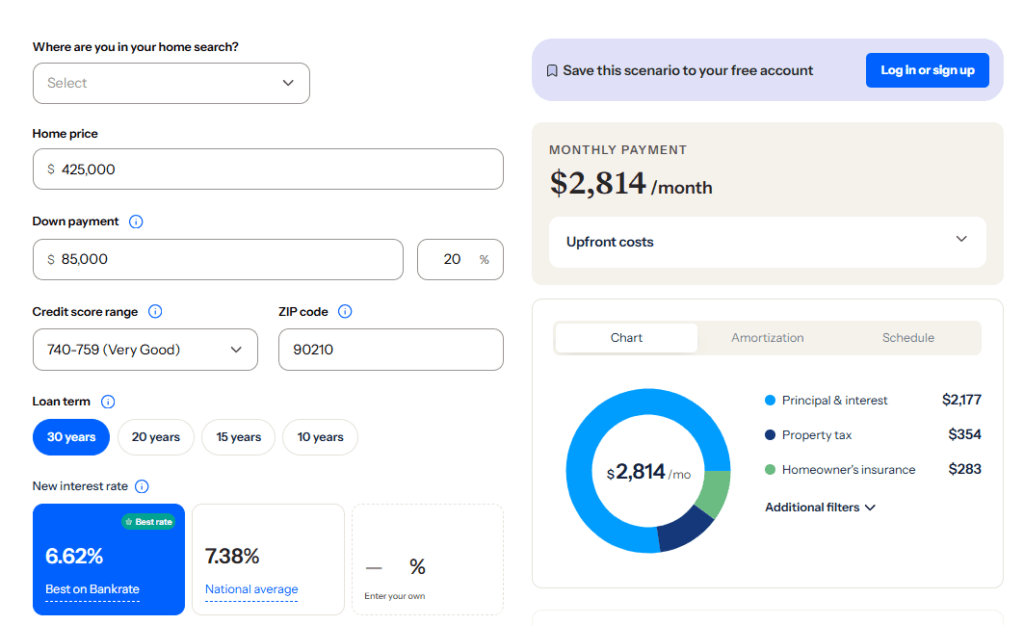
- Tools and Calculators: Calculators, generators, assessments, graders, quizzes, and interactive tools can be effective because users receive an immediate result rather than simply another piece of content.

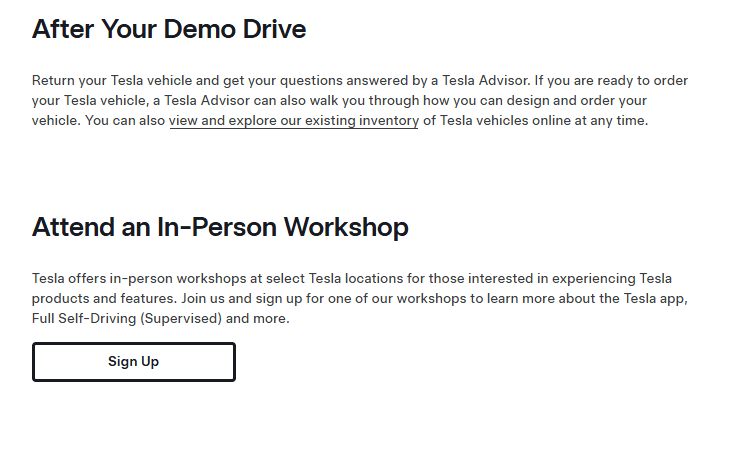
- Free Trials and Demos: Software companies can allow prospective customers to try a product, request a demonstration, or explore selected features before purchasing.

- Free Access: Limited access to premium content, communities, reports, databases, software features, or resource libraries can also serve as a lead magnet.
- Videos and Tutorials: Video lessons and demonstrations are useful when the subject is easier to show than explain through text alone.
- Research and Industry Reports: Original surveys, benchmarks, studies, and industry data can attract audiences looking for information that is difficult to obtain elsewhere.
Elements of a Good Lead Magnet
An effective lead magnet should provide enough value to justify the action being requested from the visitor. Important characteristics include:
- Relevance: The offer should address a genuine problem, question, or goal of the intended audience.
- Specific value: Visitors should immediately understand what they will receive and why it is useful.
- Focused scope: A lead magnet does not need to cover everything. Solving one important problem well can be more useful than providing a large but unfocused resource.
- Credibility: Accurate information, useful examples, professional presentation, and transparent claims help build trust.
- Ease of access: The signup and delivery process should not create unnecessary friction.
- Connection to the business: The resource should naturally relate to the products, services, or expertise the organization ultimately offers.
- Clear call to action: Visitors should know exactly what they need to do and what will happen afterward.
A good lead magnet is therefore not simply a free resource. It connects a specific audience need with a useful offer and a logical next step.
Creating a High-Converting Lead Magnet
Start by defining the audience segment the lead magnet is intended to serve. Different audiences can have very different needs, which is why one generic offer may not work equally well for every visitor. HubSpot similarly recommends identifying the target audience and tailoring lead magnets to specific buyer personas.
Next, identify a specific problem or desired outcome and choose a format suited to it. A checklist may work for a repeatable process, while a calculator may be more appropriate when visitors need a personalized estimate.
The landing page, form, or call to action should clearly explain what the visitor receives. The promised resource should also be delivered promptly, with clear instructions explaining how to access it. Ask only for information that has a genuine purpose. Requiring excessive information can add friction before the visitor has developed enough trust.

Note
A lead magnet signup should clearly explain what the visitor is agreeing to receive. Consent, privacy, and unsubscribe requirements vary by jurisdiction, so businesses should follow the applicable rules when using collected contact information for future marketing.
The lead magnet should also connect with what happens next. Someone downloading a beginner’s SEO checklist, for example, should receive follow-up information related to SEO rather than unrelated promotional emails.
Finally, test different headlines, calls to action, placements, forms, formats, and audience segments. Conversion data can reveal whether the offer generates a sufficient number of relevant leads.
Tools and Metrics for Measuring a Lead Magnet’s Impact
Analytics, email marketing, CRM, landing-page, and testing tools can help measure lead magnet performance. Common options include Google Analytics, HubSpot, Mailchimp, ActiveCampaign, Brevo, Unbounce, and Optimizely. Google Analytics can measure visits to a form page and, through enhanced measurement, track form starts and submissions. Funnel explorations can then show where users drop off between different stages of the lead-generation process.
CRM platforms can also help track each lead beyond the initial signup by recording interactions, lead status, sales activity, and eventual conversion outcomes.
One can measure the impact of a lead magnet with metrics such as:
- Landing-Page Visitors
- Form Submissions
- Lead Magnet Conversion Rate
- Cost Per Lead
- Total Leads Generated
- Email Engagement
- Qualified Leads
- Lead-to-Customer Conversion Rate
- Revenue or Other Business Outcomes
- Unsubscribe Rate
A high download or signup rate does not necessarily mean a lead magnet is successful. The leads should also remain engaged, match the intended audience, and contribute to meaningful business outcomes.
3 Examples of a Good Lead Magnet
1. Technical SEO Checklist
An SEO website publishes an article about technical SEO and offers a downloadable Technical SEO Checklist. The resource is closely related to the visitor’s existing interest and provides a practical document that can be used during future website audits.
2. First-Order Ecommerce Discount
An online stationery store offers 10% off the first order in exchange for an email signup. The visitor receives an immediate benefit, while the retailer gains an opportunity to communicate future product launches, offers, and relevant recommendations.
3. Marketing ROI Calculator
A marketing software company offers a free calculator that estimates potential return on investment using information entered by the visitor. The user receives a personalized result, while the business attracts leads already interested in measuring the problem its product helps solve.
Frequently Asked Questions
What is the main purpose of a lead magnet?
The main purpose of a lead magnet is to turn interested visitors into identifiable leads by offering something useful in exchange for contact information or another meaningful action.
Do lead magnets always need to be free?
Not necessarily. Many lead magnets are free in monetary terms but ask users to provide contact information, register, or take another action in exchange. The value offered should justify what the visitor is being asked to provide.
What makes a lead magnet effective?
An effective lead magnet addresses a specific audience need, provides clear and immediate value, is easy to access, and connects naturally with the next stage of the customer relationship.