Keyword research is the process of discovering the words and phrases people use when searching for information, products, services or solutions online. It helps a website understand what its audience wants, how that demand is expressed and which webpages should be created to serve it. For example, a wooden-furniture business may initially describe its products as handcrafted home furnishings, while potential customers may search for solid wood furniture, wooden dining tables, oak wardrobes or custom wooden furniture near me.
Therefore, keyword research connects the language of a business with the language of its customers. It does not simply produce a list of popular phrases; instead, it helps determine what people are trying to accomplish, whether the website can satisfy that need and what type of page should appear for each search.
Note: Keyword and Query
In SEO, a keyword usually refers to a term being researched or targeted, while the exact words a person enters into a search engine are a search query. The two may be identical, but they describe different roles.
Google Search Essentials advises publishers to use words that people would use to find their content and place those words in prominent locations, including titles, main headings, alt text and link text. Google’s SEO Starter Guide also notes that expert users and beginners may describe the same subject differently. For example, an experienced buyer may search for mortise-and-tenon dining table, while a first-time shopper may simply search for strong wooden dining table. Anticipating these differences can help a website create content that serves a wider range of users.
Keyword research is also important because search demand, competition and customer language are not always obvious. Google Keyword Planner can generate keyword ideas related to a business and provide estimates of searches and advertising costs, while Google Search Console can show the queries through which an existing website receives impressions and clicks. However, no single number should decide what a business publishes. Relevance, search intent, page purpose and business value remain equally important.
For a wooden-furniture website, the objective is not to mention the word furniture as often as possible. The objective is to discover the different needs behind searches such as how to clean wooden furniture, best wood for dining tables, solid wood bed price and custom office desk. These searches may require entirely different pages, even though they belong to the same broad business area.
Table of Contents
What is Keyword Research and Why Does it Matter?
Keyword research is the structured process of finding, examining and selecting search terms that are relevant to a website and its audience. It explores not only what people search for, but also why they search, how frequently a topic appears to be searched and what type of result they expect to find.
In other words, keyword research converts customer demand into a practical SEO and content plan. It can help a business decide which product categories are needed, which questions deserve articles, which services require dedicated landing pages and which topics may not be relevant enough to pursue.
Consider a business selling wooden furniture. Its initial list may include broad terms such as:
- wooden furniture;
- wooden tables;
- wooden chairs;
- wooden beds;
- wooden wardrobes.
These terms provide a starting point, but they do not yet reveal the complete opportunity. Further research might uncover searches such as:
- solid wood dining table for six;
- wooden study table with drawers;
- best wood for outdoor furniture;
- how to remove scratches from wooden furniture;
- custom wooden furniture in London;
- teak wardrobe price.
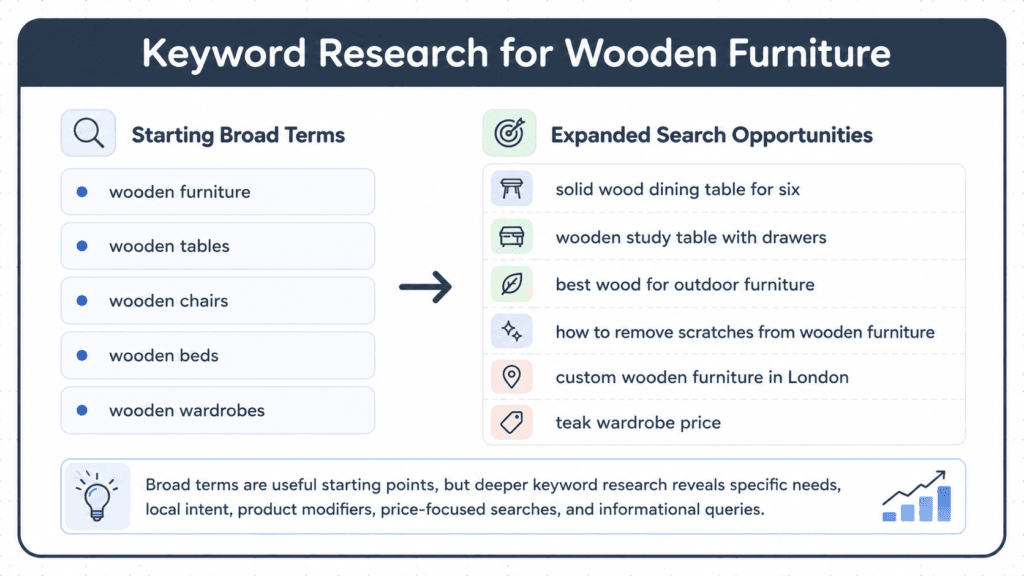
Each phrase provides more information about the searcher’s needs. Some users want to learn, some want to compare products, and others may be ready to buy. Keyword research helps separate these intentions instead of treating every search as the same opportunity.
It is important to note that keywords are not instructions that force search engines to rank a page. For example, Google’s systems evaluate many signals, and following its guidance does not guarantee that a page will be crawled, indexed or served in search results. Keyword research therefore improves decision-making, but the selected page must still be useful, accessible, trustworthy and competitive.
Research also helps prevent two costly problems. The first is creating content that almost nobody searches for or needs. The second is targeting an attractive keyword with a page that does not match the searcher’s objective. A detailed article about the history of dining tables, for example, is unlikely to satisfy someone searching for buy wooden dining table online, even if both pages discuss dining tables.
Ahrefs makes a useful distinction by explaining that keyword research is not merely the search for easy terms; it is the process of finding terms that make sense for the business. Therefore, a keyword with modest search demand and strong purchasing relevance may be more valuable to a furniture seller than a high-volume phrase that attracts students, designers or users seeking free images.
How to Conduct Keyword Research Step by Step
A productive keyword-research process begins with the business and its customers before moving into tools and metrics. Starting with a keyword database immediately may produce thousands of suggestions, but many of them may have little connection to the website’s actual products, expertise or objectives.
1. Define the Business, Audience and Research Goal
Begin by listing what the business offers, whom it serves and what the research is expected to achieve. A wooden-furniture manufacturer may want to attract local custom orders, while a national ecommerce store may need traffic for product categories and individual products. A furniture blog, however, may focus mainly on informational searches.
The same broad topic can therefore produce different keyword priorities:
- A manufacturer may prioritize custom wooden dining table manufacturer.
- A local showroom may prioritize wooden furniture store near me.
- An ecommerce website may prioritize buy solid wood bed online.
- A publisher may prioritize how to choose wood for furniture.
Without this initial clarity, search volume can easily lead the research in the wrong direction.
2. List the Main Products, Services and Customer Problems
Next, write down the business’s main offerings and the questions customers regularly ask. For the wooden-furniture example, the list might include dining tables, beds, wardrobes, bookshelves, office desks, restoration, customization and furniture maintenance. These broad starting terms are commonly called seed keywords because they provide the initial inputs for further keyword discovery.
Customer problems can reveal additional areas:
- furniture does not fit a small room;
- wood develops scratches or water marks;
- customers cannot distinguish solid wood from engineered wood;
- buyers are unsure which wood is durable;
- delivery and assembly are difficult;
- custom furniture appears expensive.
At the same time, sales conversations, inquiry forms, support messages and reviews can provide language that keyword tools may overlook. A customer may ask for a cupboard for a small bedroom even though the company normally calls the product a compact wooden wardrobe. Both expressions may be relevant to the research.
3. Expand the Initial Topics Through Google
Search the initial phrases on Google and study the results carefully. Autocomplete suggestions, related searches and People Also Ask questions can reveal how users refine a broad need.
A search for wooden dining table may reveal variations connected to seating capacity, wood type, room size, price, shape, design, location, or maintenance.
However, these suggestions should be treated as research clues rather than automatic content recommendations. Some phrases may have different meanings, little business relevance or overlapping search results.
Google also encourages publishers to think about the different words users may employ for the same subject. Therefore, research should include synonyms and customer-language variations such as cupboard and wardrobe, or dining set and dining table with chairs.
4. Examine Competitor Categories and Ranking Pages
Competitor research can reveal product categories, questions and content gaps that internal brainstorming missed. Review the navigation, category pages, guides, FAQs and prominent search pages of both direct competitors and established industry publications.
For example, competitors may have dedicated sections for:
- living-room furniture;
- bedroom furniture;
- office furniture;
- reclaimed-wood furniture;
- furniture care;
- interior-design advice.
However, a competitor keyword is not automatically suitable for another website. Semrush warns that competitor reports may contain many keywords that are unrelated to the researcher’s business, so relevance must be used to reduce the list.
5. Add Data From Search Console and Keyword Tools
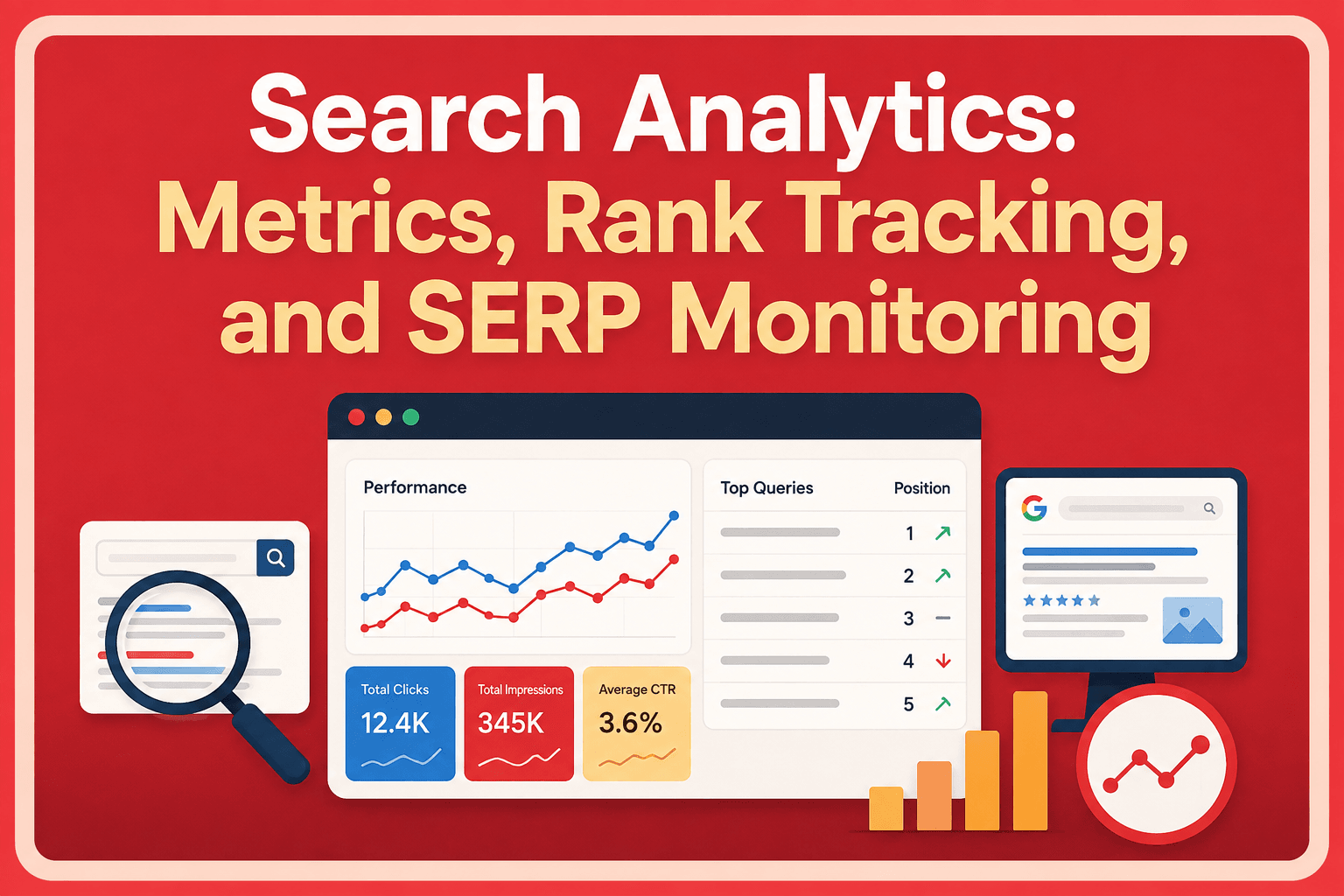
An existing website should examine its Google Search Console Performance report to find queries that already produce impressions and clicks. Google explains that this report provides search-performance data and can be adjusted by metrics, dimensions and date ranges.
A furniture website may discover that its page titled Wooden Tables is also appearing for:
- mango wood dining table;
- table for four people;
- wood dining table maintenance;
- solid wood table price.
These queries may suggest page improvements, new supporting articles or separate category opportunities.
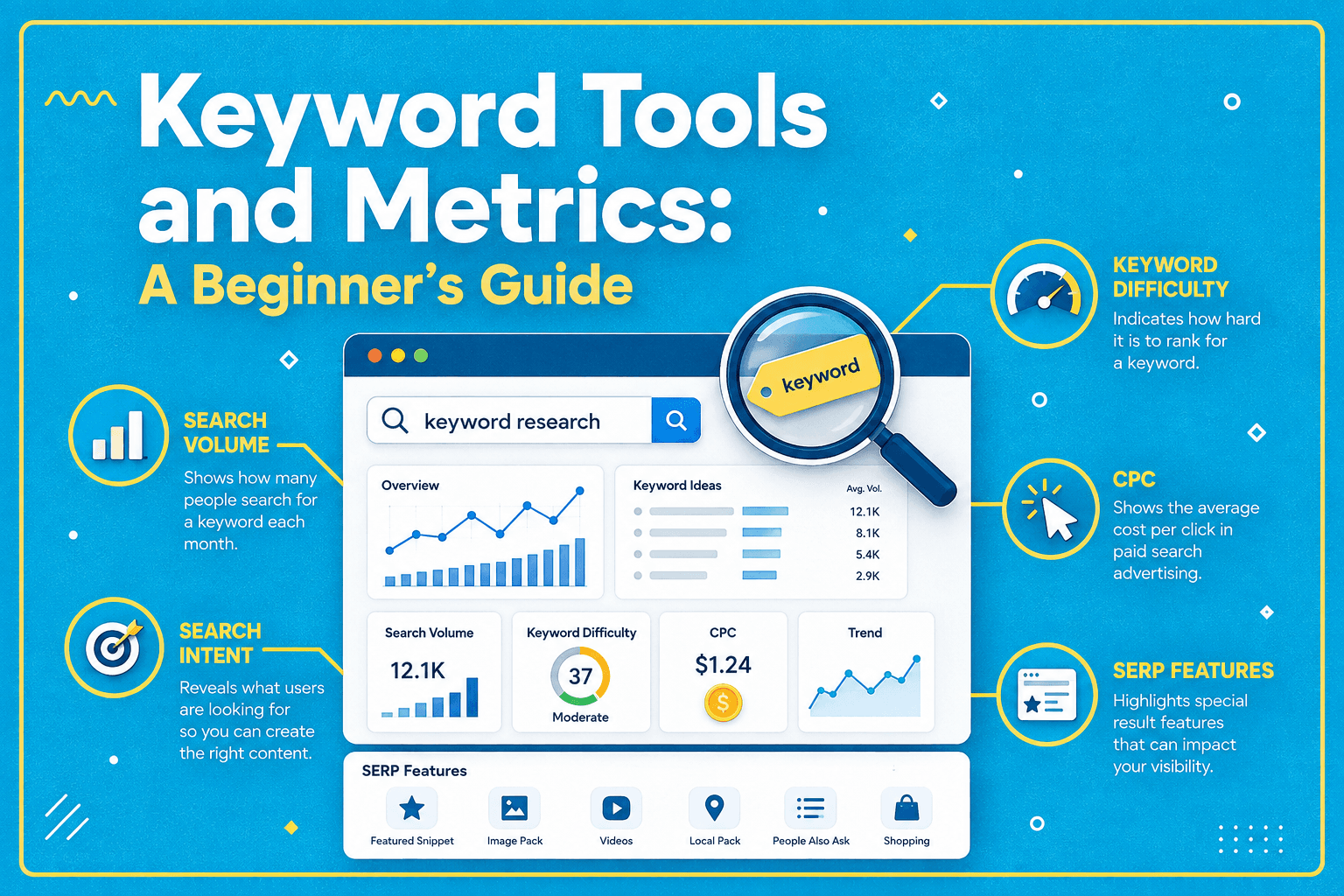
Keyword tools can then expand the list and provide estimated metrics. Google Keyword Planner discovers ideas connected to a business and provides estimates of searches and advertising costs, while tools such as Ahrefs and Semrush add proprietary difficulty, traffic and intent metrics.
6. Review the Actual Search Results
Before accepting a keyword, search for it and examine what currently ranks. The results can provide useful clues about how Google interprets the query and what types of content currently satisfy that search intent.
For best wood for furniture, the results may mainly contain informational guides. For wooden furniture online, they may contain ecommerce categories. For wooden furniture near me, local listings and showroom pages may dominate.
Therefore, keyword research should never be completed entirely inside a spreadsheet. The search results provide essential context that a volume or difficulty score cannot fully capture.
How to Evaluate and Prioritize Keywords
A large keyword list becomes useful only after the terms are evaluated. The strongest keyword is not necessarily the one with the highest search volume or the lowest difficulty; it is the one that combines audience relevance, suitable intent, realistic competition and meaningful business value.
Relevance
The keyword must relate closely to what the website can genuinely provide. A wooden-furniture company may find substantial demand for plastic garden chairs, but that does not make the phrase a useful SEO opportunity.
Relevance should be assessed at three levels:
- Does the keyword fit the website’s main subject?
- Can the business or publisher satisfy the searcher’s need?
- Does attracting this visitor support a meaningful objective?
Search Intent
Search intent describes what the user appears to want from the search. A person searching how to polish a wooden table wants instructions, whereas someone searching buy teak dining table is likely looking for a product page.
It is therefore important to match the keyword to the correct page type. A category page should not be forced to rank for a detailed maintenance question, and an informational article should not be expected to satisfy a strongly transactional query.
Recent guidance from Ahrefs describes intent as a filter that determines whether a keyword belongs in the strategy at all; if the website cannot realistically serve and convert that intent, attractive volume alone does not justify targeting it.
Search Volume and Demand
Search volume estimates how often a keyword is searched in a particular market and period. However, it should be interpreted as an estimate rather than an exact prediction of traffic.
A phrase such as furniture may receive far more searches than solid wood dining table for six, but the broader term includes many unrelated needs. The narrower phrase may attract fewer visitors while bringing a better-defined audience.
At the same time, low reported volume does not always make a keyword useless. New, local, seasonal and highly specific searches may be poorly represented in third-party databases, while one page can gain traffic from many closely related queries.
Competition and Keyword Difficulty
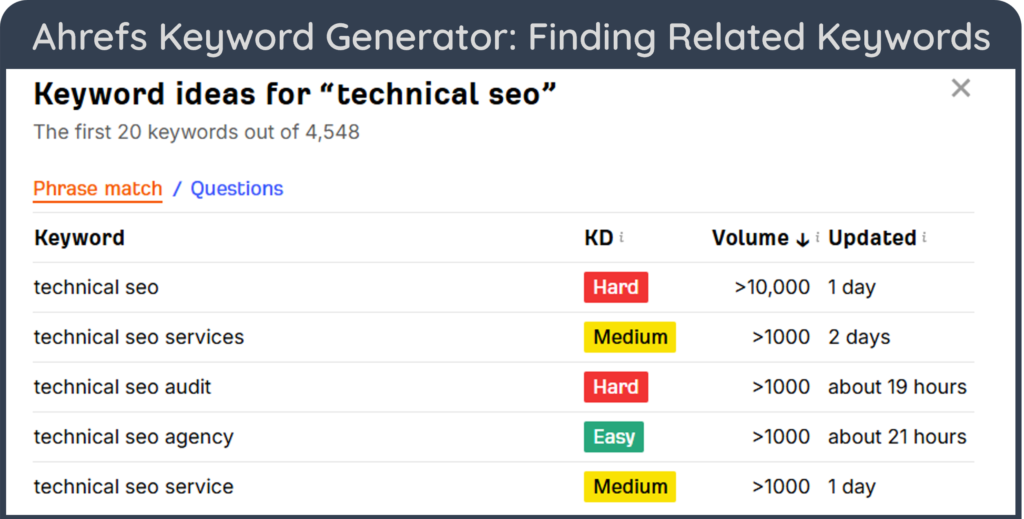
Keyword-difficulty scores estimate how difficult ranking may be, but different tools calculate them differently. Ahrefs notes that experienced specialists also inspect the search results manually and consider factors such as relevance, freshness, authority, backlinks and SERP features.
Therefore, a difficulty score should be treated as a screening metric, not a final decision. A new furniture website may struggle to compete immediately for wooden furniture, but it may have a more realistic opportunity with a focused phrase such as space-saving wooden study table with storage.
Business Value
Finally, determine how closely the keyword connects to a business outcome. An informational query may introduce potential customers to the brand, while a product-led query may support a purchase more directly.
For example:
| Keyword | Likely Value |
|---|---|
| history of wooden furniture | Educational visibility |
| best wood for dining tables | Product research and consideration |
| solid wood dining table price | Strong commercial interest |
| buy oak dining table online | Transactional opportunity |
| wooden furniture store near me | Local purchase intent |
In short, keyword prioritization should balance traffic opportunity with relevance and usefulness. A smaller number of well-chosen keywords can produce a stronger content plan than thousands of unfiltered suggestions.
How to Organize Keywords into a Content Plan
Keyword research is not complete when the keywords have been exported into a spreadsheet. The next step is to organize them into meaningful groups and decide which page should target each group.
For the wooden-furniture business, the research may produce terms such as:
- wooden dining table;
- solid wood dining table;
- wood dining table for six;
- teak dining table;
- best wood for dining table;
- how to maintain a wooden dining table;
- wooden dining table price.
Although these phrases are related, they should not necessarily appear on the same page. A person searching for a price or a product is likely to expect a commercial page, while someone asking about maintenance or wood quality is looking for information.
Group Keywords by Subject
Begin by grouping keywords that describe the same broad subject. For example:
| Keyword Group | Possible Terms |
|---|---|
| Wooden dining tables | wooden dining table, solid wood dining table, dining table for six |
| Wood selection | best wood for dining table, teak vs oak dining table |
| Maintenance | how to clean a wooden table, remove scratches from wood |
| Buying and pricing | wooden dining table price, buy dining table online |
| Local searches | wooden furniture shop near me, custom dining table in London |
This first level of grouping makes a large list easier to understand. However, topical similarity alone is not enough because two phrases can use similar words while requiring different pages.
Compare Search Intent and Results
Search each important keyword and compare the types of pages appearing in the results. When two queries produce substantially similar results and satisfy the same need, one strong page may be able to address both. When the results differ significantly, the queries may require separate pages.
For example, solid wood dining table and wooden dining table may be suitable for the same category page if their search results and customer expectations overlap. However, how to clean a wooden dining table should generally belong to a separate instructional article.
In other words, keyword grouping should be based on shared meaning and intent rather than minor wording similarities. This reduces the risk of publishing several weak pages that compete for almost the same search demand.
Assign Keyword Groups to Page Types
Once the groups are clear, assign them to the most appropriate page.
A wooden-furniture website may use:
- the homepage for the overall business and major furniture categories;
- category pages for dining tables, beds, wardrobes and office furniture;
- product pages for individual models and designs;
- location pages for genuine showrooms or service areas;
- guides for product selection and comparisons;
- tutorials for maintenance and repairs;
- FAQ articles for focused customer questions.
For example:
| Page | Main Keyword Theme |
|---|---|
| Homepage | wooden furniture |
| Category page | wooden dining tables |
| Product page | teak dining table for six |
| Buying guide | best wood for dining tables |
| Tutorial | how to clean a wooden dining table |
| Local page | custom wooden furniture in London |
It is important to map keywords before creating content. Without page mapping, several pages may end up targeting the same or very similar search intent, creating unnecessary overlap and making it harder to maintain a clear primary page for the topic.
Build a Connected Content Structure
The broader pages should link to narrower supporting resources, while supporting articles should link back to relevant commercial or parent pages when the relationship is useful.
For example, a guide titled Best Wood for Dining Tables may link to the wooden-dining-table category. Similarly, the category page may link to guides about table dimensions, wood selection and maintenance.
This structure helps users continue their research and gives search engines clearer information about how the pages relate. Google recommends creating a logical site structure and linking important pages from other relevant pages so that users and its systems can understand how the site is organized. Google Search Essentials advises publishers to use the same words and phrases that people are likely to enter into Google, and place them in important areas such as the page title, main heading, and link text.
However, the same keyword does not need to be repeated mechanically across every internal link. Anchor text should accurately describe the destination and remain natural within the sentence.
Best Keyword Research Tools and Data Sources
No single keyword tool provides a complete or perfectly accurate picture. Therefore, the most reliable research process combines customer knowledge, actual search results, first-party website data and one or more keyword platforms.
Google Search
Google itself is one of the most useful starting points because autocomplete suggestions, related searches, People Also Ask results and the ranking pages reveal how users phrase their needs and what type of content Google currently associates with a query.
For example, typing wooden dining table may reveal searches connected to size, seating capacity, price, wood type, finish and location. However, these suggestions do not automatically prove that each phrase has high demand or deserves a separate page. They should be investigated further.
Google Keyword Planner
Google Keyword Planner can generate ideas from words, phrases or websites and provides estimates of monthly searches and advertising costs. Google also allows users to organize keyword ideas into categories and create forecasts for paid-search campaigns.
For a wooden-furniture business, it can help compare broad demand for terms such as wooden furniture, dining tables, wooden beds and custom furniture. However, the tool was primarily designed for advertisers, so its competition and cost data relate to paid advertising rather than organic ranking difficulty.
It is also important to note that Google advises users to think like customers, use multiple relevant phrases and remain specific without becoming so narrow that useful suggestions disappear.
Google Search Console
Google Search Console is particularly valuable for websites because its performance report shows which queries generate impressions and clicks, how traffic changes over time and which pages receive search visibility.
A wooden-furniture website may discover that a product-category page is already receiving impressions for mango wood dining table or wooden table for small apartment. These terms can reveal opportunities to improve existing pages or create supporting content.
However, Search Console does not provide a complete market-wide keyword database. It mainly shows how the website is already appearing in Google Search, and some query data may be omitted or grouped because of privacy and reporting limitations.
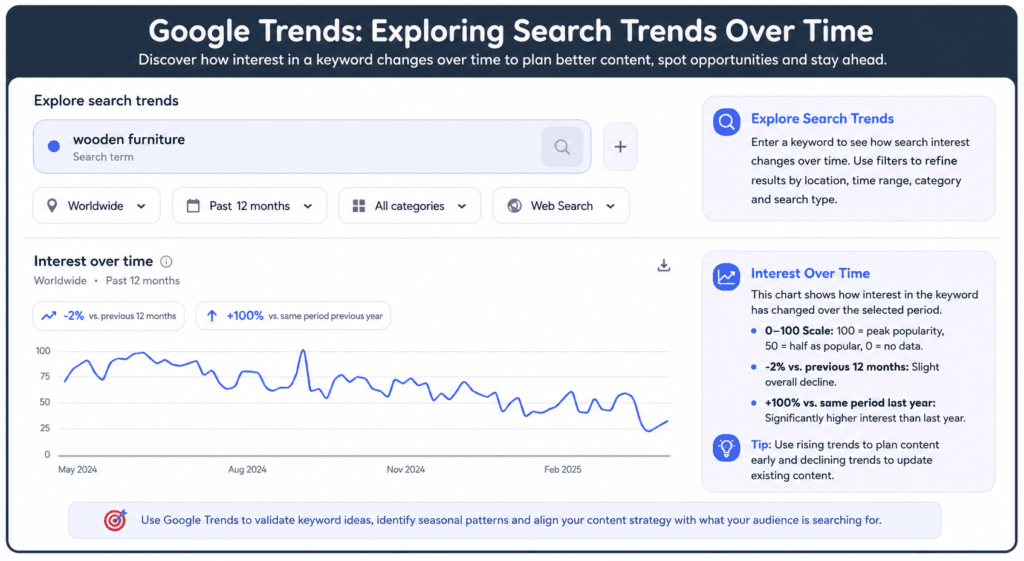
Google Trends
Google Trends helps compare search interest over time, explore regional differences and identify related or rising searches. It is especially useful for seasonal products, changing terminology and emerging demand.
For example, a furniture company could compare interest in outdoor wooden furniture, home office desk and balcony furniture across seasons or locations.
However, Trends does not show absolute search volume. Its data is sampled, normalized for time and location, and scaled from 0 to 100 to represent relative popularity. Therefore, it should be used to understand direction and comparison rather than exact monthly search totals.
Ahrefs Keywords Explorer
Ahrefs Keywords Explorer generates keyword ideas and provides metrics such as search volume, Keyword Difficulty, traffic potential, parent topic and search intent. It can also group terms and compare search results for different keywords.
Ahrefs’ Traffic Potential metric estimates the organic search traffic received by the current top ranking page for the Parent Topic. Similarly, Ahrefs explains that its Keyword Difficulty score is based on the number of referring domains pointing to the current top 10 organic results and does not account for on-page SEO factors.
Therefore, the score should support analysis rather than replace a manual review of the search results.
Semrush Keyword Magic Tool
Semrush Keyword Magic Tool can expand a starting phrase into related terms, questions and longer variations, while allowing users to filter and group the results.
For the phrase wooden furniture, the tool may help separate keywords connected to dining rooms, bedrooms, offices, materials, prices and maintenance. This can be useful for building a broad topic inventory, although the suggestions must still be filtered for relevance and assigned to suitable pages.
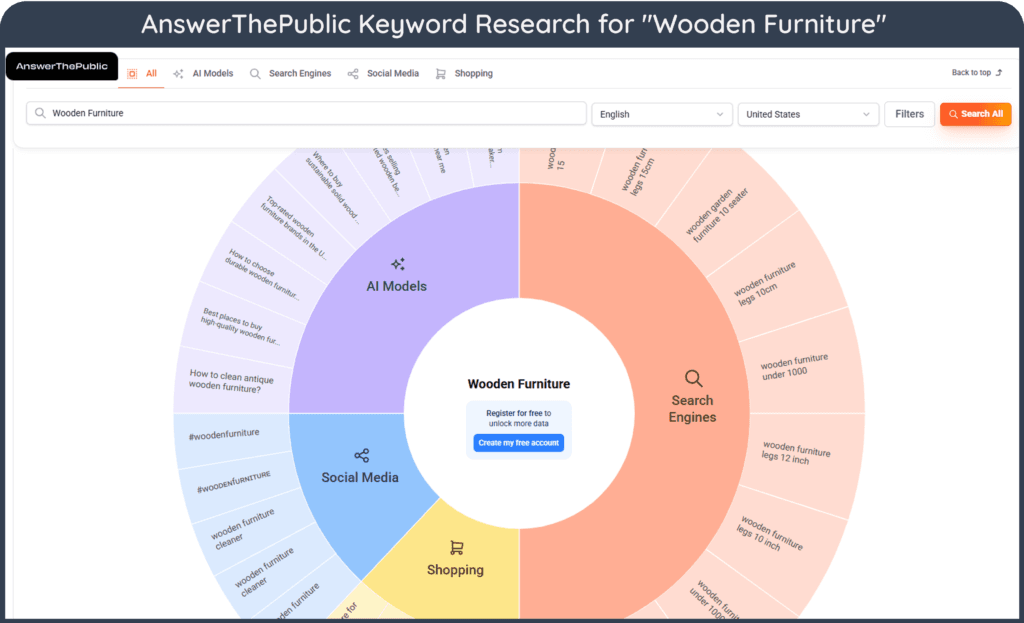
AnswerThePublic
AnswerThePublic uses search-engine autocomplete data to generate questions and phrases associated with a topic. It can be helpful for identifying how users express problems, especially during early content brainstorming.
For wooden furniture, it might reveal questions about cleaning, durability, wood types, prices and room suitability. However, these ideas should be validated through search-result analysis and other data because an interesting question does not automatically represent a strong content opportunity.
Conclusion
Keyword research helps a business understand what its audience searches for, why those searches happen and what kind of page should answer each need. For a wooden-furniture website, this means moving beyond the broad phrase wooden furniture and identifying the different demands connected to dining tables, beds, wood selection, maintenance, prices, locations and purchasing decisions.
The strongest research process begins with products, services and customer problems before expanding ideas through Google, competitors, Search Console and keyword tools. It then evaluates each keyword according to relevance, intent, demand, competition and business value before grouping related terms and mapping them to suitable pages.
It is therefore important not to select keywords only because they have high search volume or a low difficulty score. Similarly, businesses should avoid creating separate pages for every small variation, copying competitor keywords without considering relevance or placing informational terms on pages designed to sell products.
To sum up, keyword research is not simply a data-collection exercise. It is a decision-making process that connects audience demand with website structure, content creation and business objectives. When completed carefully, it helps a website publish fewer disconnected pages and more useful resources that have a clear reason to exist.
Frequently Asked Questions
How should beginners start keyword research?
Beginners should start by listing their main products, services, topics and customer questions before opening a keyword tool. For a wooden-furniture business, the initial list might include dining tables, beds, wardrobes, custom furniture and furniture maintenance. These topics can then be expanded through Google Search, Keyword Planner and competitor research.
What is the best tool for keyword research?
There is no single best tool for every situation. Google Keyword Planner is useful for search-demand and advertising estimates, Search Console provides first-party data from an existing website, Google Trends shows changes in relative interest, and paid tools such as Ahrefs or Semrush provide deeper competitor and difficulty analysis. The best approach usually combines several sources.
Which keyword research tool is best for beginners?
Google Keyword Planner is a practical starting point because it generates related ideas and estimated monthly search data directly from Google. However, beginners should also use ordinary Google search results and Google Trends because these sources make it easier to understand search intent, seasonality and the type of pages currently ranking.
Are there free tools for keyword research?
Yes. Free or partly free options include Google Search, Google Keyword Planner, Google Trends, Google Search Console and limited versions of several third-party tools. Search Console is most useful after a website has begun receiving impressions, while Keyword Planner and Google Search can also support research for a new website.
How can trending keywords be found?
Google Trends can show rising queries, changes in search interest, regional patterns and comparisons over time. However, its scores represent relative interest rather than absolute search volume, so trending terms should also be evaluated for relevance, durability and business value before content is created.
How many keywords should one webpage target?
A page should target one clear search intent and may naturally address several closely related keywords. There is no fixed ideal number because one strong page can rank for many variations, while unrelated terms may require separate pages. The decision should be based on whether the keywords describe the same need and produce similar search results.
Should high-volume or low-competition keywords be prioritized?
Neither should be selected automatically. A high-volume keyword may be too broad or commercially irrelevant, while a low-competition keyword may attract little useful demand. It is better to prioritize terms that combine strong relevance, suitable intent, realistic ranking potential and meaningful value for the audience or business.
How often should keyword research be updated?
Keyword research should be reviewed when products, markets, customer language or search behavior change, and whenever existing content is being refreshed. An annual review may be sufficient for stable topics, while seasonal products, fast-changing industries and emerging trends may require monthly or quarterly monitoring through Search Console and Google Trends.