How to Build a Content Distribution Strategy That Works
Key Takeaways
- Content distribution should begin before publication, allowing one strong asset to support adapted formats across relevant channels.
- Effective strategies align audience behavior, content format, channel, objective, and measurement instead of publishing identical messages everywhere.
- Owned, earned, and paid distribution provide different forms of control, credibility, and reach.
- A repeatable workflow uses channel-specific repurposing, performance analysis, scheduled promotion, and ongoing content refreshes to extend results.
Publishing a useful article does not automatically mean the right people will find it. Content still needs a path to its audience through search engines, social platforms, email, video, communities, partnerships, paid promotion, and other channels. A content distribution strategy determines which of those channels deserve attention, how content should be adapted for each one, and what happens after the first round of promotion.
Distribution should therefore begin before publication rather than after it. A team that knows an article will later become a LinkedIn document, Reddit discussion, short video, email feature, or infographic can plan the original asset with those formats in mind. The result is a more connected workflow in which one strong piece of content can support several audience touchpoints without simply being copied everywhere.
Content distribution is not only about generating immediate clicks. Organic search can continue bringing traffic after publication, an email list can provide a direct route back to existing subscribers, and social communities can generate discussion, feedback, and secondary sharing. A useful strategy combines these different roles rather than expecting every channel to produce the same result.
Table of Contents
How Content Distribution Works
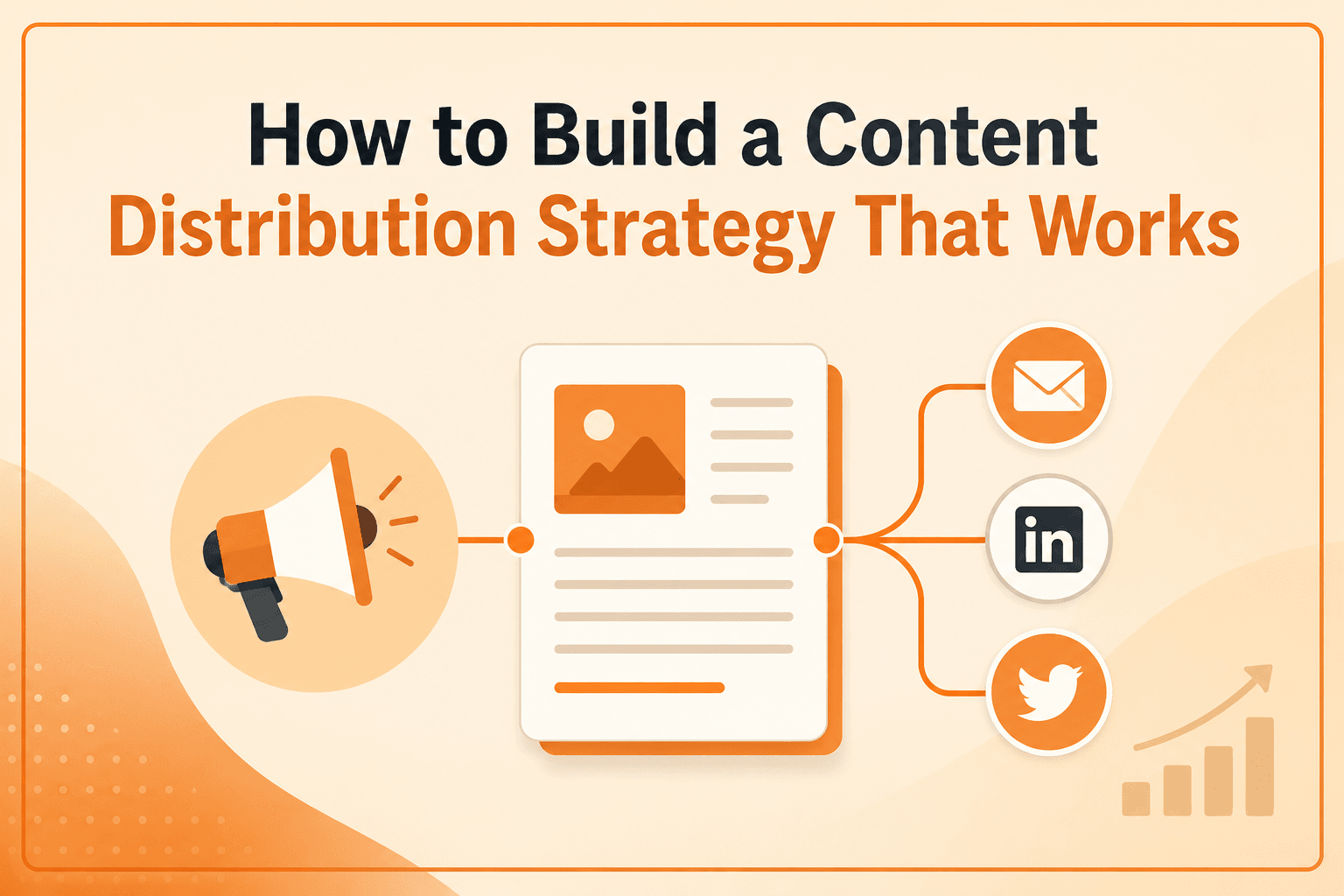
Content distribution is the process of placing, promoting, republishing, or adapting content so that it can reach audiences beyond its original publication location. A blog article may first appear on a company website, surface later through Google Search, be summarized on LinkedIn, become the basis for a Reddit discussion, appear in an email newsletter, and eventually be converted into a video or infographic.
The process usually has three stages. First, the original content is published on a primary destination, such as a website, YouTube channel, podcast feed, or newsletter. Second, selected distribution channels introduce that content to relevant audiences. Finally, performance data helps determine whether the asset should be redistributed, updated, promoted further, or repurposed into a different format.
This distinction matters because distribution is not the same as repeatedly posting the same link. Each channel should generally receive a version adapted to how people use that platform. A detailed article may become a concise insight on LinkedIn, a discussion-driven answer on Reddit, a visual carousel on Instagram, or a short explanatory video on YouTube.
Note
Content distribution does not mean publishing the same promotional message across every channel. The core idea can remain consistent, but the format, context, and presentation should reflect how people use each platform.
Content Distribution Strategy
Without a strategy, distribution often becomes inconsistent. Teams promote some articles heavily, overlook others, repeat identical messages across several platforms, or focus on channels simply because they are popular. A strategic approach instead connects the audience, content format, channel, objective, and measurement method.
It is therefore useful to decide what success means before choosing channels. An SEO guide may primarily aim to generate long-term organic discovery, while an industry report may be better suited to outreach, LinkedIn discussion, email distribution, and earned mentions. A product comparison could require search visibility and commercial distribution, whereas an infographic may gain more value from social sharing and visual discovery.
Owned, Earned, and Paid Content Distribution
Content distribution is commonly grouped into owned, earned, and paid distribution. These categories describe the relationship between an organization and the channel rather than the content format itself.
Owned Content Distribution
Owned distribution takes place through channels an organization directly controls, including its website, blog, email list, app, newsletter, podcast, and some branded profiles. A business can decide what to publish, when to publish it, how the page is structured, and how one asset connects with another.
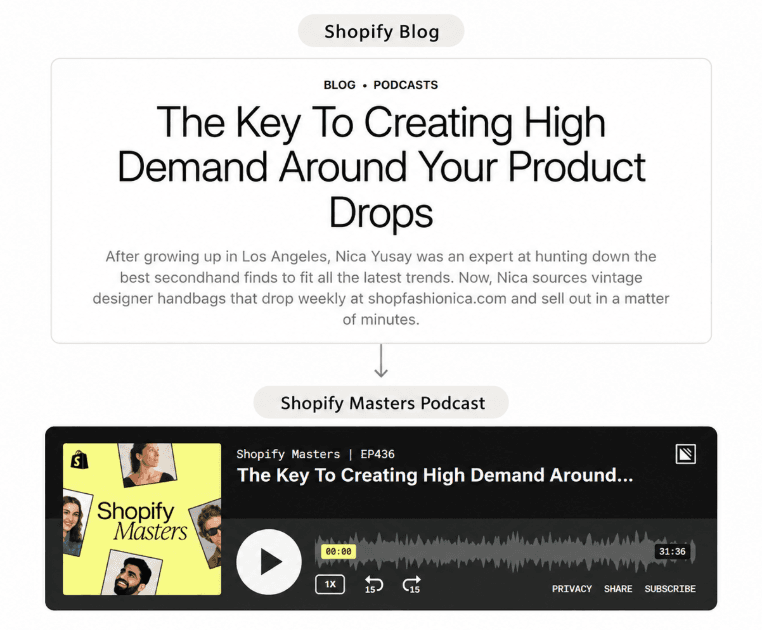
Owned channels form the foundation of a distribution system because they provide a permanent home for important material. Internal links can connect related resources, newsletters can bring subscribers back to new pages, and older articles can be refreshed or repromoted without depending entirely on another platform.
However, control does not guarantee attention. A website still needs discovery, and a social profile still operates within a third-party platform. Owned distribution therefore works best when combined with search, communities, partnerships, and other routes to new audiences.
Earned Content Distribution
Earned distribution occurs when other people or organizations voluntarily expand the reach of content. Examples include editorial backlinks, media coverage, newsletter mentions, social shares, citations, recommendations, forum discussions, and references from creators or industry experts.
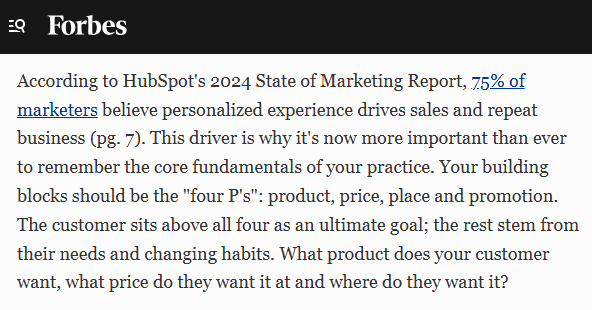
Earned visibility is less controllable than owned distribution because another party decides whether the content deserves attention. For this reason, useful original research, strong explanations, quotable data, expert commentary, unique graphics, and genuinely helpful resources generally create better opportunities for earned distribution than material produced mainly for promotion.
Organic search can also function as a form of earned discovery within this framework. The page remains an owned asset, but unpaid visibility depends on a search engine deciding to surface it for relevant queries.
Paid Content Distribution
Paid distribution uses advertising or sponsored placements to put content in front of selected audiences. This may include promoted social posts, sponsored newsletters, native advertising, display campaigns, video advertising, or paid search where the content supports an appropriate campaign.
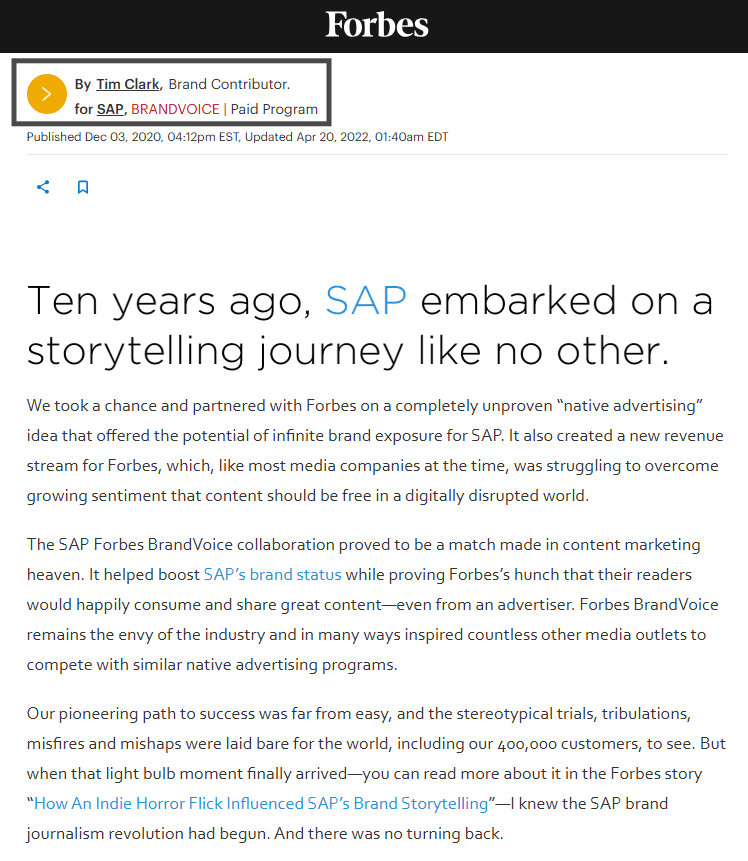
Paid distribution is especially useful when organic reach is limited, a campaign has a defined launch period, or the organization wants to reach a specific audience quickly. However, promotion cannot compensate indefinitely for weak content. The landing page, article, video, or resource still needs to justify the click and support the campaign objective.
In practice, the three categories reinforce one another. A business might publish an original report on its website, promote selected findings through LinkedIn ads, email the report to subscribers, and later earn citations from journalists or other websites. The distribution system works because several channels contribute different forms of visibility.
Important Content Distribution Channels
The right distribution mix depends on where the intended audience already searches, reads, discusses, subscribes, and watches. Therefore, channel selection should follow audience behavior rather than a requirement to maintain an active presence everywhere.
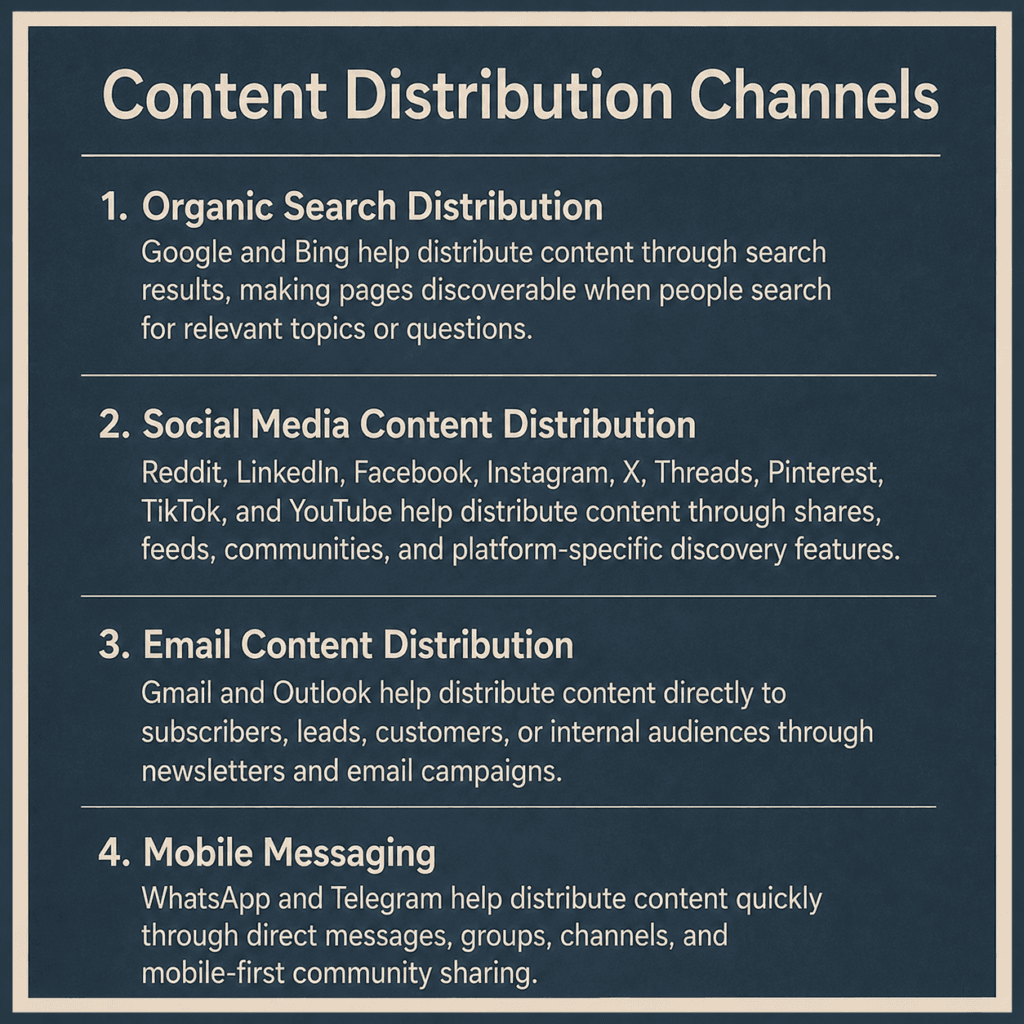
Organic Search Distribution
Organic search distributes website content when search engines surface relevant pages for user queries. Unlike a social post, which may receive most attention soon after publication, a well-optimized page can continue being discovered as long as it remains relevant and competitive.
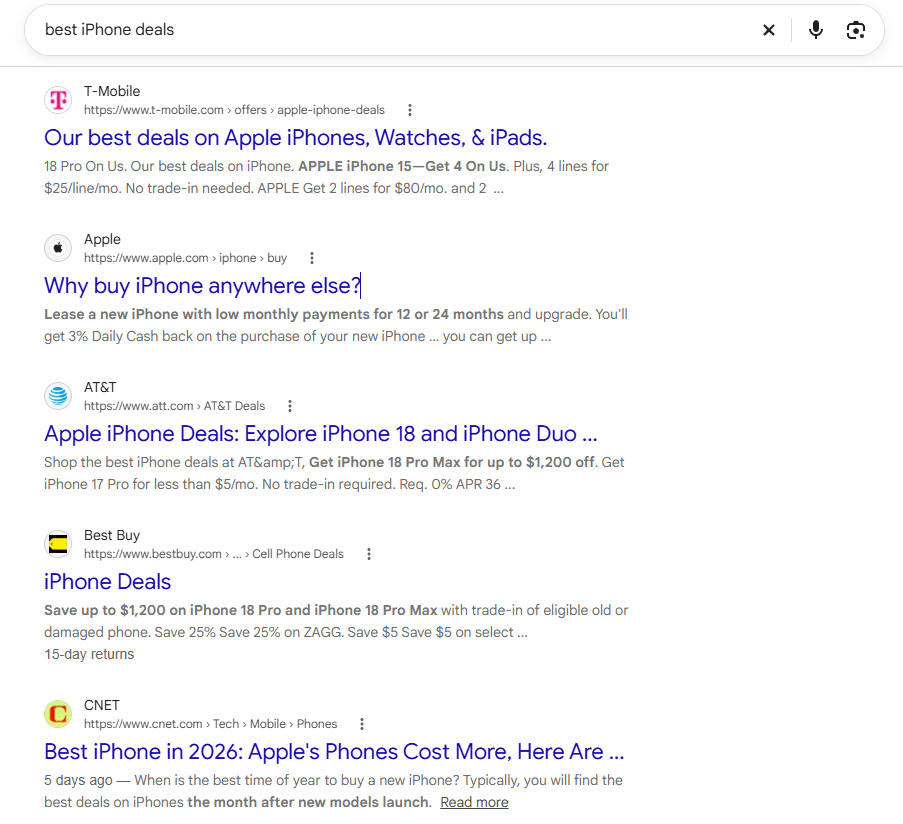
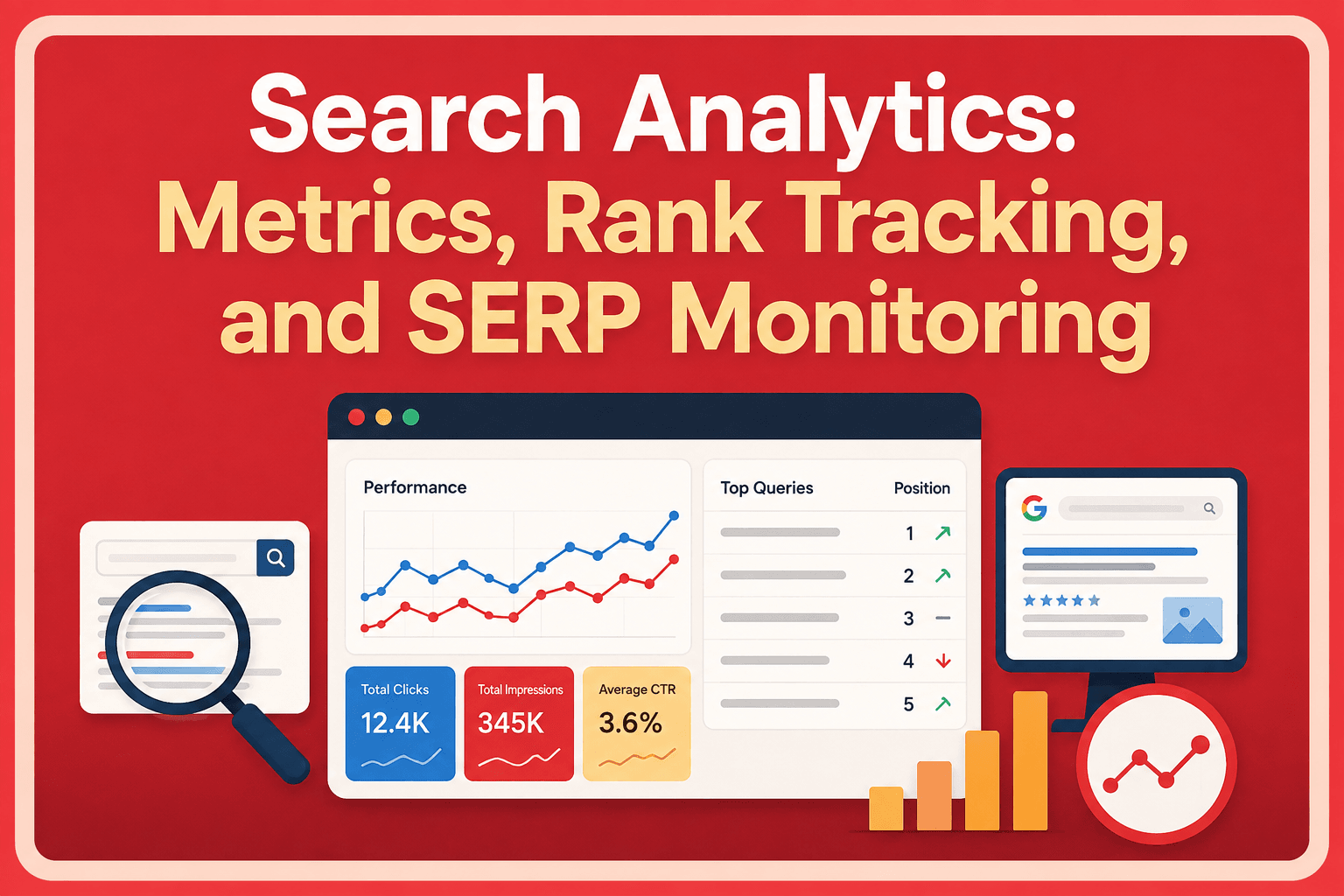
Search distribution starts with crawlable, indexable, useful content that clearly addresses its subject. Google Search Console then helps measure how that content performs in Search through Search performance data, including impressions and clicks across queries, pages, countries, devices, and other dimensions. Search Console data can help identify which published pages are gaining organic visibility and where further analysis may be useful.
SEO distribution also benefits other channels. A page developed around a well-understood audience problem can provide source material for newsletters, social posts, videos, graphics, and community discussions.
Social Media Content Distribution
Social media distribution works best when content is adapted to the platform rather than reduced to a headline and URL. Each network has different audience expectations, formats, community norms, and discovery mechanisms. The objective is therefore to extract the most useful idea from the original asset and present it in a form that makes sense within that environment.
Reddit Content Distribution
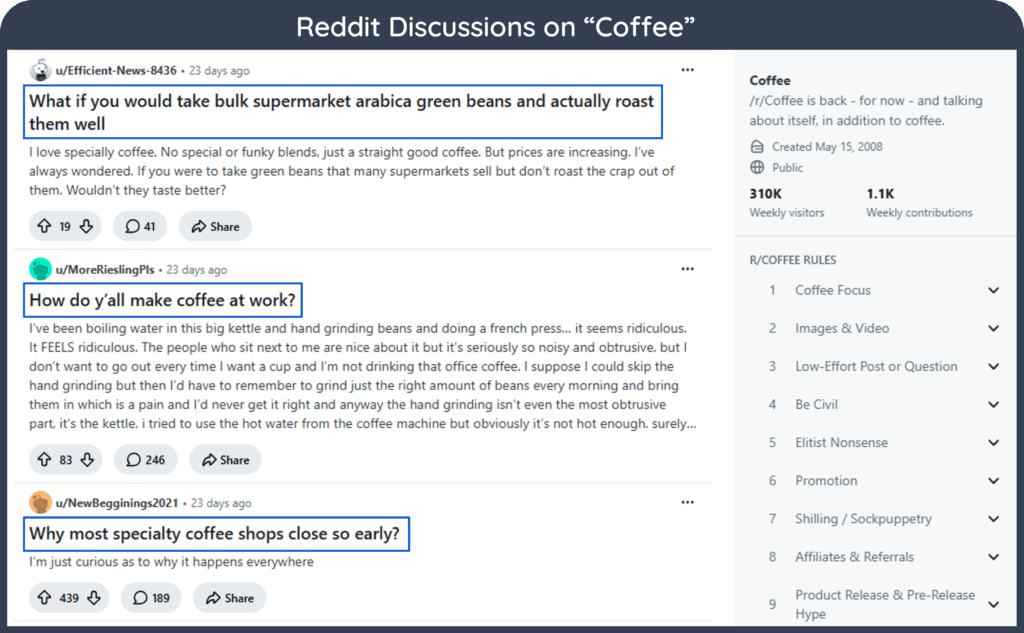
Reddit deserves a community-first approach. Rather than treating subreddits as places to drop article links, marketers should first understand what a community discusses, which formats receive useful responses, and what its moderators permit.
Reddit’s own guidance makes an important distinction: promotional content is not automatically spam, but individual communities may prohibit promotion or impose their own limits. Reddit notes that some communities still use a 10% self-promotion guideline, while others apply different rules entirely. Checking subreddit rules before posting is therefore essential.
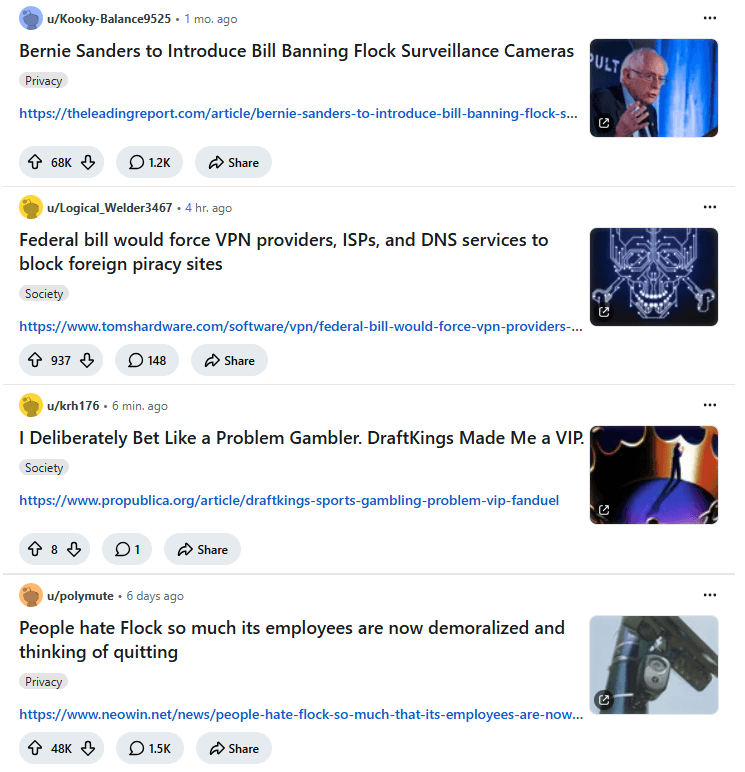
For distribution, a practical approach is often to contribute a useful explanation directly in the post or comment and link only when the external resource adds meaningful depth. An article can also inspire discussion questions, data explanations, short case studies, or answers to recurring community problems. In other words, the discussion should provide value even if nobody clicks through.
LinkedIn Content Distribution
LinkedIn offers several ways to repurpose professional and educational material. A long article can become a concise text post built around one insight, a document post summarizing a framework, a native video, an article, or an edition of a newsletter.
LinkedIn currently supports text, images, video, documents, URLs, and other formats on Pages, while newsletters can notify subscribers when new editions are published. LinkedIn Page posts and LinkedIn newsletters therefore provide more than simple link distribution.
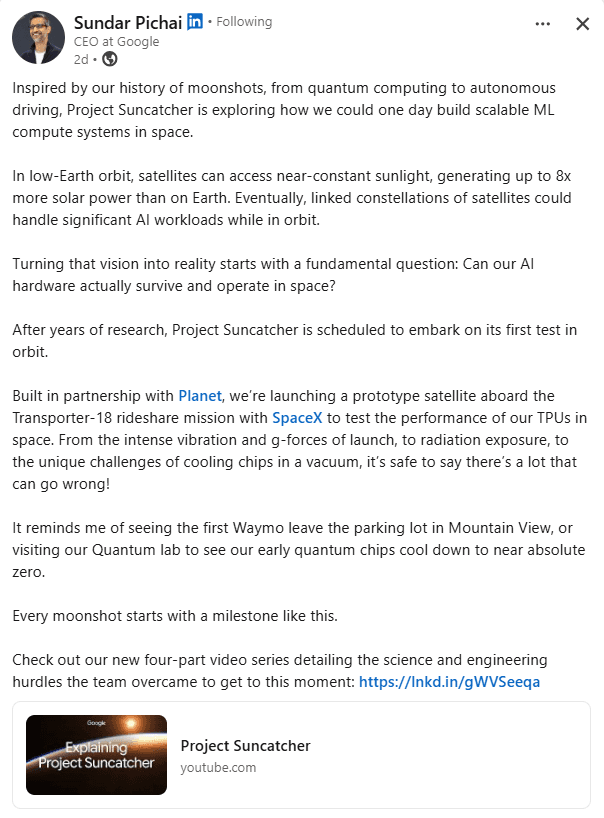
Personal profiles and company Pages can also serve different purposes. A company Page establishes an organizational publishing presence, while individual employees, founders, specialists, or authors can contribute their own analysis and conversations. Rather than duplicating identical copy across both, organizations can let the company account introduce the resource while individuals discuss a specific lesson, example, or opinion drawn from it.
Facebook Content Distribution
Facebook distribution can involve Pages, Groups, profiles with professional mode, Reels, video, and paid promotion. The appropriate format depends heavily on whether the objective is branded publishing, community participation, or audience targeting.
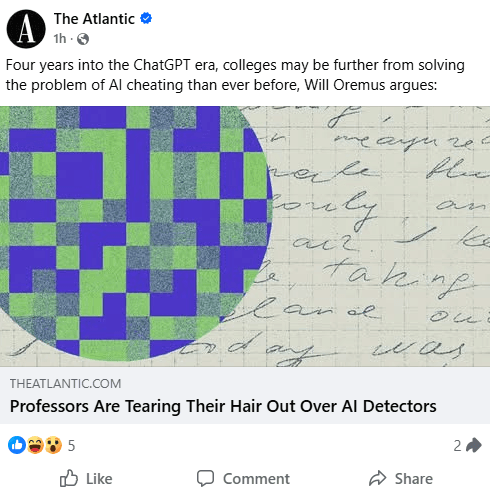
Facebook distinguishes Pages as spaces for businesses, brands, organizations, and public figures, while Groups are designed around shared interests and communities. Therefore, Facebook Pages and Groups should not be approached in the same way.
A Page can distribute company updates, links, images, videos, and repurposed educational material. Groups require greater sensitivity to community relevance and rules. As with Reddit, joining a group solely to promote external links is rarely a strong long-term strategy. Useful answers and conversations should come first.
Instagram Content Distribution
Instagram is better suited to adapting ideas visually than repeatedly promoting article URLs. A guide may become a carousel explaining six steps, a Reel demonstrating a workflow, a Story highlighting a new resource, or a graphic built around a key statistic or framework.
Article-to-Instagram distribution therefore requires compression. Instead of trying to reproduce the whole page, select one idea that can stand independently and build the visual around it. Paid distribution is also available through Meta’s Instagram advertising options, including campaigns managed through Ads Manager.

X, Threads, and Pinterest
X and Threads can support short observations, commentary, conversation, multi-post explanations, and redistribution of timely ideas from larger resources. Effective posts usually provide some useful information first, then direct interested readers to the full article or webpage.
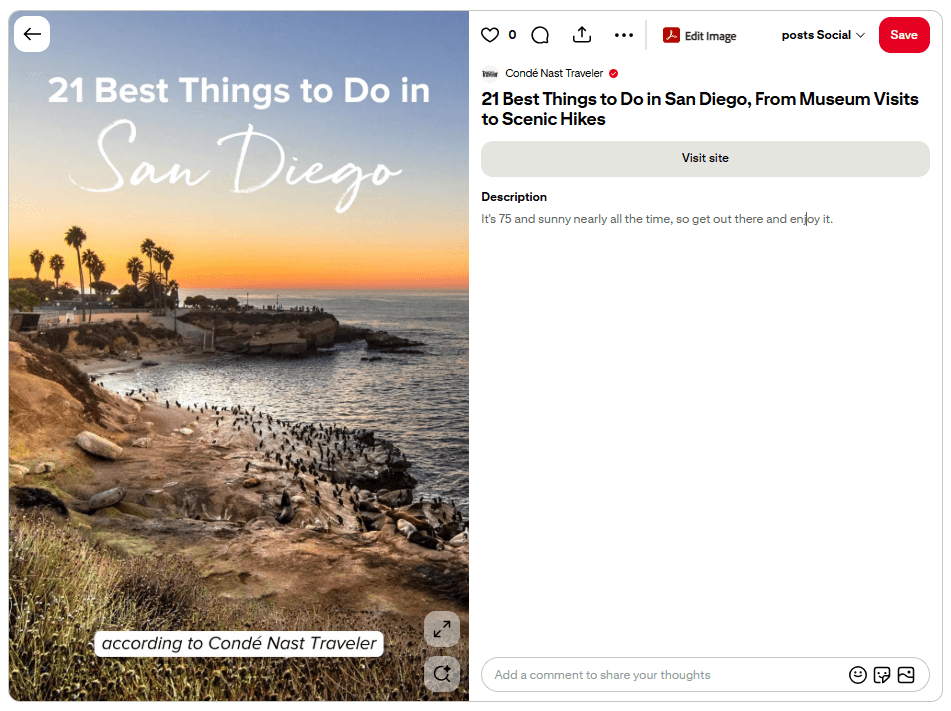
Pinterest operates differently because Pins function as visual discovery objects. Pinterest states that Pins can contain images or video and can link directly to a website. The channel is especially relevant for infographics, checklists, tutorials, visual guides, and other evergreen assets.
TikTok and YouTube
Video platforms allow written content to become demonstrations, explainers, commentary, interviews, or short educational clips. A substantial article might support a full YouTube video, while one section or example could become a Short.
YouTube specifically allows creators to turn their own long-form videos into Shorts, with those Shorts linking back to the original video. Current Shorts can also run up to three minutes, creating more room for concise educational material.
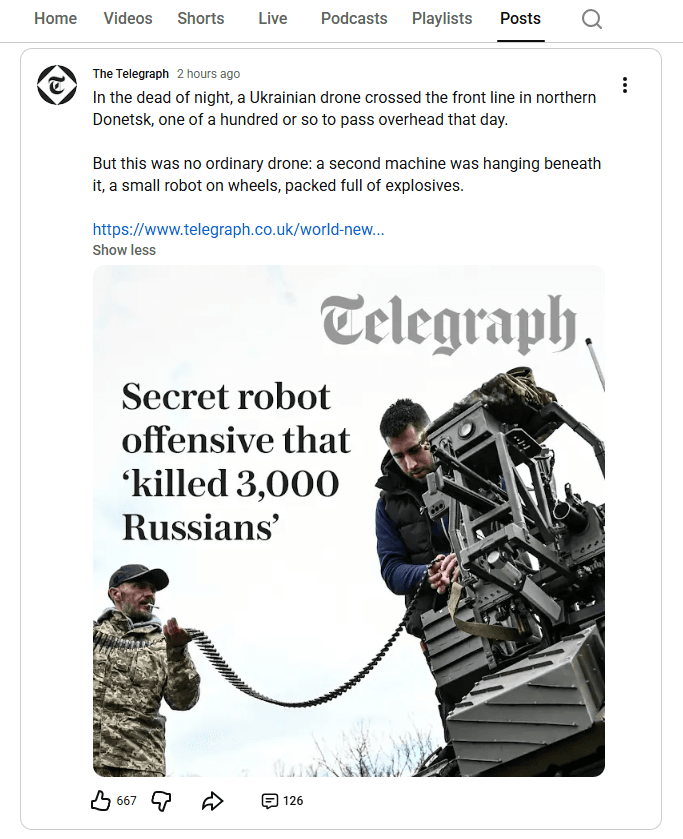
Publishers can also leverage YouTube Community posts to distribute articles, videos, and other content to their existing YouTube audience and drive additional traffic back to their websites.
Email Content Distribution
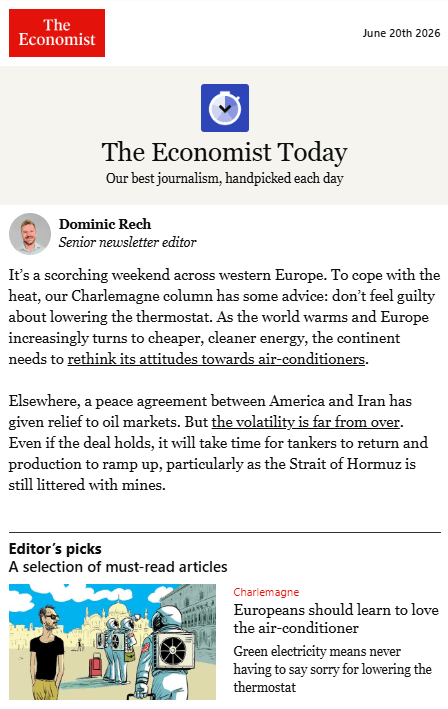
Email provides direct distribution to people who have already chosen to hear from an organization. A newsletter can introduce a new article, summarize its main argument, highlight a practical takeaway, or group several related resources into a thematic edition.
The email itself should provide value rather than functioning only as a collection of links. A concise explanation or useful takeaway gives subscribers a reason to keep opening future messages, while the linked article provides additional depth for readers who want it.
Messaging Apps
Messaging apps can extend content distribution into more direct and conversational channels. WhatsApp can be used to share articles, updates, offers, or community content with subscribers, customers, groups, or broadcast audiences, while Telegram supports channels and groups for distributing updates to larger communities.
These platforms can be especially useful for timely content because messages reach users within apps they already use for everyday communication. Distribution should still be permission-based and relevant so that frequent messaging does not become intrusive or reduce engagement.
Content Repurposing and Syndication
Repurposing extends the usefulness of original research by rebuilding it for a different format or audience. It should not mean copying every paragraph into another channel.
Blog-to-Social Repurposing
A single article can support numerous social assets. The introduction may provide a LinkedIn discussion prompt, one framework may become an Instagram carousel, statistics may become graphics, FAQs may become short posts, and an example may form the basis of a Reddit discussion.
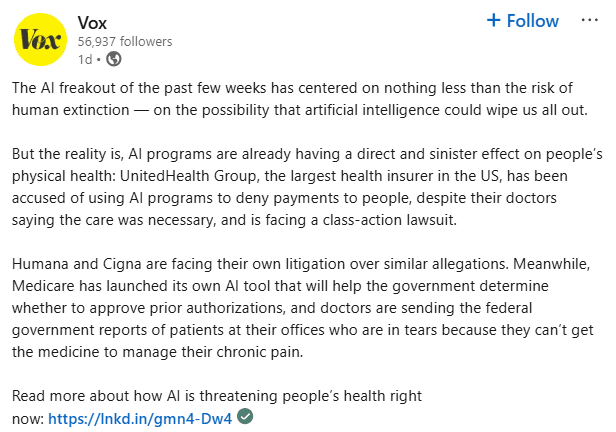
The important step is to select ideas that can stand on their own. This makes each social post useful independently while still giving interested readers a reason to visit the complete resource.
Article-to-Video and Infographic Repurposing
An article-to-video workflow begins by identifying sections that benefit from explanation, demonstration, or narration. The article provides the research foundation, but the video script should be rewritten for spoken language rather than read directly from the page.
Similarly, an infographic should extract structure rather than compress an entire article into tiny text. A process, checklist, comparison, timeline, hierarchy, or statistical summary usually translates more naturally into a visual asset.
Multi-Format Content Distribution
A well-planned repurposing system can produce several assets from one research effort. For example, a detailed guide might support an email feature, LinkedIn document, Reddit discussion, short video, infographic, Pinterest Pin, and several social posts.
This is where content distribution becomes more efficient. The organization is not producing seven unrelated ideas; it is extracting seven useful expressions from one well-researched subject.
Content Syndication
Content syndication involves allowing another website or platform to republish an article or substantial version of it. Syndication can expose material to an additional audience, but publishers should think about search indexing before distributing identical copies.
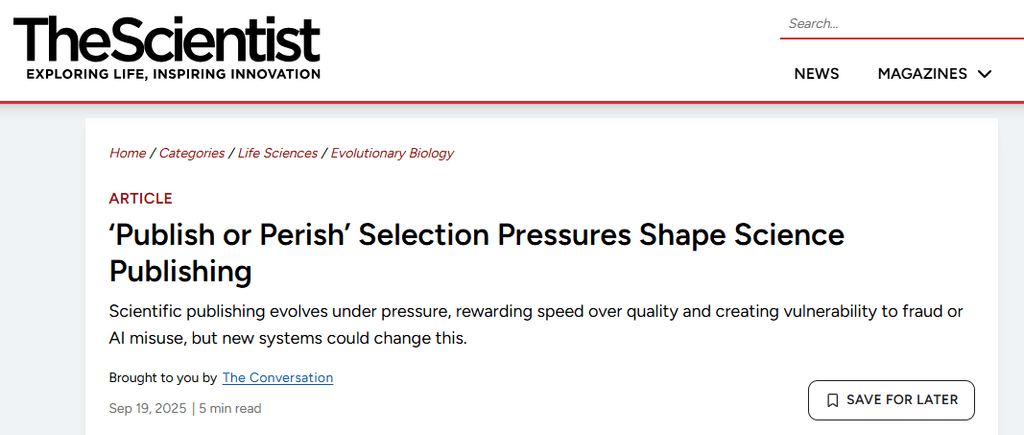
Google’s current documentation contains an important nuance: for syndicated content, it does not recommend relying on rel=”canonical” as the main method of preventing duplication by syndication partners. If preventing the syndicated copy from appearing in Google Search is important, Google says the more effective approach is for the partner to block indexing of that copy.
How to Build a Content Distribution Workflow
A repeatable workflow keeps distribution from becoming an afterthought and prevents teams from recreating the plan for every article.
1. Define the Audience and Distribution Goal
Begin with the people the content is designed to help and the action the distribution should support. Objectives may include search discovery, newsletter growth, community participation, brand awareness, referral traffic, leads, citations, or engagement with an existing audience.
One asset can support several goals, but a primary objective makes channel selection easier.
2. Match Content With Appropriate Channels
Next, decide where the subject and format naturally fit. A professional research report may deserve LinkedIn, email, organic search, and outreach. A visual tutorial may fit Instagram, Pinterest, YouTube, and search. A deeply technical answer may be useful in specialist Reddit communities when participation rules allow it.
It is therefore unnecessary to distribute every asset everywhere. Concentrating on a smaller number of relevant channels usually produces a more manageable workflow and makes proper adaptation possible.
3. Plan the Distribution Sequence
Distribution can begin on publication day but should not end there. An initial sequence might include indexing and internal linking, an email feature, one or two social posts, and outreach to people who may genuinely find the material relevant. Additional social formats can then appear over subsequent days or weeks.
This staggered approach prevents every derivative asset from appearing at once and creates opportunities to revisit the content from different angles.
4. Build Repurposing Into Production
Before publication, identify sections that could become graphics, short videos, discussions, quotes, carousels, or email material. Writers can then structure examples and frameworks so they are easier to extract later.
This also reduces rushed repurposing. Instead of asking, “What can we post about this article?” after publication, the team already knows which ideas will travel into other formats.
5. Track Performance by Channel
Measurement should reflect the purpose of each channel. Search distribution can be evaluated through impressions, clicks, queries, and landing-page performance. Social distribution may require attention to reach, saves, shares, comments, profile activity, referral visits, or video engagement. Email evaluation may include delivery, clicks, subscriptions, and downstream behavior.
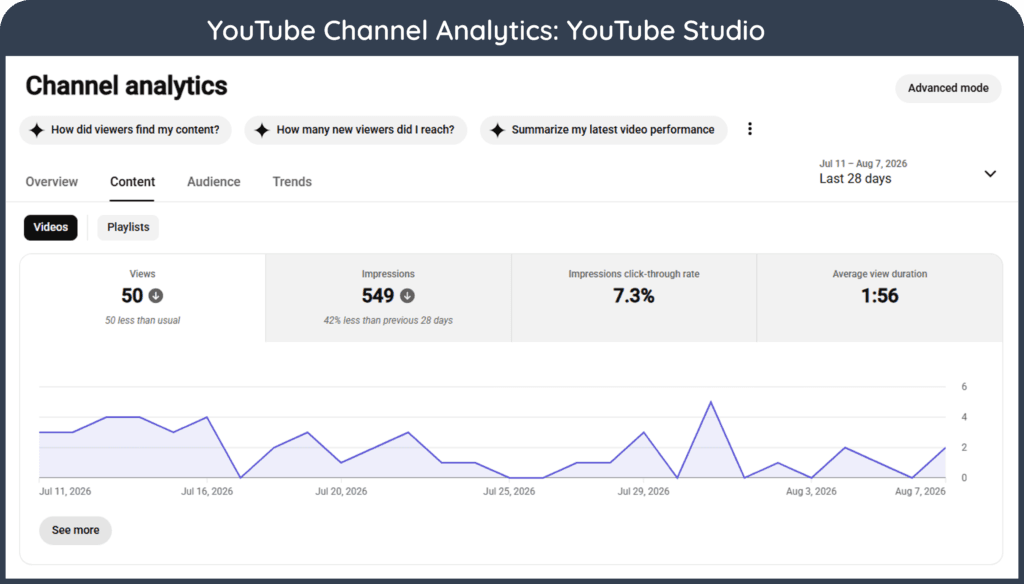
Google describes Search Console as the source of truth for Google Search performance and Analytics as the source of truth for behavior within the website. Search and Analytics data can therefore help separate discovery from what visitors do after arriving.
Google also introduced platform properties in Search Console in July 2026, allowing creators and publishers to analyze how supported social and video content from platforms such as Instagram, TikTok, X, and YouTube is discovered through Google Search and Discover. This can add another layer of measurement when distribution extends beyond the publisher’s own website
Metrics should ultimately answer a practical question: Which channels and formats deserve continued investment?
6. Redistribute and Refresh Successful Content
Distribution does not need to stop because an article is no longer new. Evergreen resources can be resurfaced after content optimization or meaningful updates, when the topic becomes relevant again, when new data is added, when a related event occurs, or when a strong section can be repurposed into another format.
In short, a distribution strategy should behave like a cycle rather than a launch checklist. Research creates the original asset, distribution introduces it to audiences, performance data reveals what works, and those insights inform the next round of promotion or production.
Content Distribution Tools
Content distribution tools can simplify publishing, scheduling, repurposing, email promotion, visual creation, and performance tracking. However, the best tool depends on the channels being used. A social scheduling platform solves a different problem from an email platform or analytics tool, so a distribution stack should support the workflow rather than add unnecessary complexity.
Buffer
Buffer is particularly useful for planning and scheduling social content from a central dashboard. It currently supports platforms including LinkedIn, Threads, Pinterest, YouTube Shorts, X, Instagram, TikTok, and Facebook, while allowing posts to be customized for individual networks rather than publishing identical versions everywhere.
Key Features
- It allows teams to plan, schedule, and publish social content through queues and a visual content calendar.
- Posts can be adapted for individual platforms, while built-in analytics can help evaluate post and account performance across supported channels.
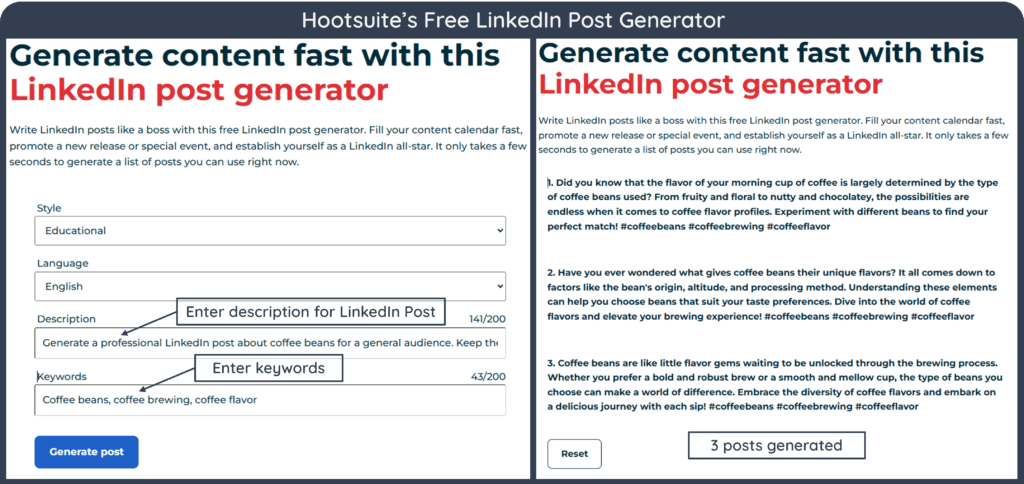
Hootsuite
Hootsuite combines social publishing with analytics, engagement, monitoring, and social listening. It is therefore particularly useful when distribution involves several social accounts or requires collaboration and reporting.
Key Features
- Teams can create, schedule, and publish content across major social networks from one workspace.
- The platform also provides social listening, engagement management, performance reporting, approval workflows, and audience insights.
HubSpot
HubSpot can connect social distribution with a broader marketing and CRM workflow. Its current social tools support publishing, monitoring, reporting, and automated sharing of newly published blog content.
Key Features
- Social posts can be created and scheduled while interactions and mentions are monitored from the same marketing environment.
- Blog content can be automatically shared to connected social accounts, while social activity can be connected with CRM and campaign data.
Mailchimp
For email distribution, Mailchimp can support newsletters, automated campaigns, audience segmentation, and campaign reporting. Email platforms are particularly valuable because they provide a direct distribution route to an existing subscriber audience rather than depending entirely on algorithmic discovery.
Key Features
- Campaign reporting can track engagement and performance across email and related marketing activity.
- Automation and audience tools can help distribute different content to appropriate subscriber groups rather than sending every resource to the entire list.
Canva
Canva Content Planner can connect visual content creation with social scheduling. This makes it particularly useful when articles are being repurposed into carousels, infographics, quote graphics, or other visual assets.
Key Features
- Social graphics can be created and scheduled from the same environment for platforms including Facebook, Instagram, X, and LinkedIn.
- Scheduled content can be planned ahead and edited or paused without rebuilding the original design.
Frequently Asked Questions
What is a content distribution strategy?
A content distribution strategy is a plan for delivering content to relevant audiences through channels such as organic search, social media, email, video, communities, partnerships, syndication, and paid promotion. It determines which channels to use, how content should be adapted, when it should be distributed, and how performance will be evaluated.
What are the three types of content distribution?
The three common categories are owned, earned, and paid distribution. Owned distribution uses channels controlled by the organization, earned distribution comes from voluntary third-party attention, and paid distribution uses advertising or sponsored placements to increase exposure.
Which social media platforms are best for content distribution?
The best platform depends on the audience and content. LinkedIn is particularly useful for professional and B2B material, Reddit can support specialist discussion and community discovery, Instagram works well for visual repurposing, Facebook combines Pages, Groups, and paid reach, while YouTube, TikTok, Pinterest, X, and Threads support different video, visual, conversational, and discovery-oriented formats.
What is the difference between content repurposing and syndication?
Repurposing changes an existing idea into a different format or presentation, such as turning an article into a video or infographic. Syndication republishes the original content, or a substantial version of it, on another website or platform.
How should content distribution performance be measured?
Measurement should match the channel and objective. Search may be evaluated through impressions and clicks, social media through reach and engagement, email through subscriber and click behavior, and website performance through visits, conversions, and other meaningful actions. The purpose is not to maximize every metric but to determine which distribution activities contribute to the intended outcome.