



Social media has changed the way businesses build recognition and connect with customers. In the past, becoming a known brand often required large advertising budgets, traditional media, or years of market presence. Today, even a small business can reach thousands of potential customers by using the right platforms, creating valuable content, and building genuine relationships.
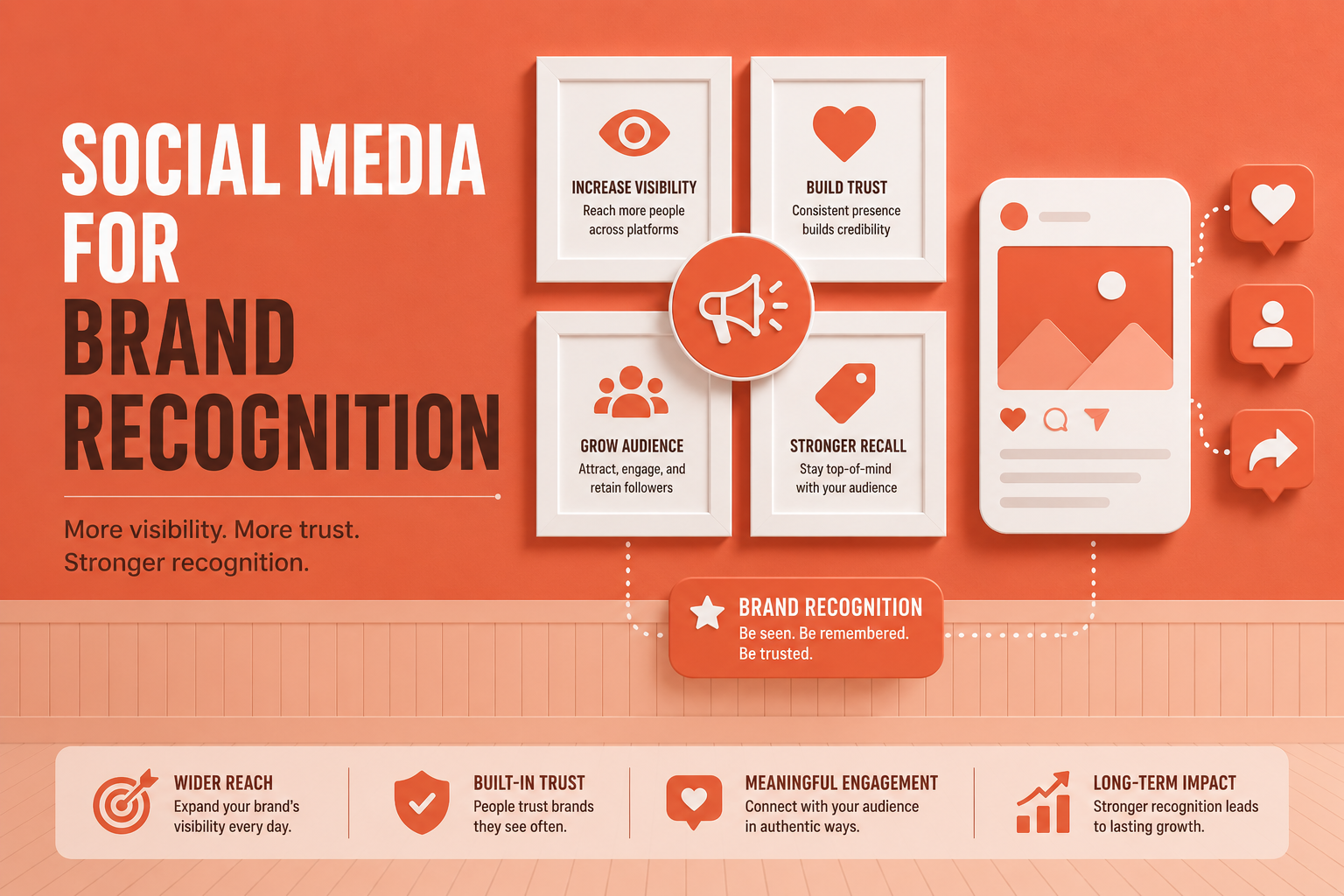
However, success on social media is not only about posting regularly or collecting followers. The strongest brands use social platforms to create awareness, build trust, start conversations, and become part of their audience’s daily lives. This article explains how businesses can use social media platforms strategically to move from being unknown to becoming recognized and trusted brands.
Table of Contents
- How Social Media Platforms Help Build Modern Brands
- Choosing the Right Social Media Platforms for Your Business
- Building Brand Awareness Through Social Media
- Content Strategy: Turning Posts Into Brand Assets
- Audience Growth, Social Proof and Lead Generation
- Social Media Marketing Tools and Metrics
- Conclusion
- Frequently Asked Questions
How Social Media Platforms Help Build Modern Brands
Social media platforms are no longer just places where people share updates with friends. They have become powerful business channels where companies can introduce themselves, communicate with customers, and build long-term brand relationships.
For a new business, the biggest challenge is often not creating a product or service. It is getting people to know that the business exists.
Social media helps solve this problem by creating multiple opportunities:
- Introducing the brand to new audiences
- Showing expertise and personality
- Building customer trust
- Creating conversations
- Encouraging recommendations
Social Media as a Digital Storefront
A physical store communicates its identity through:
- Location
- Design
- Customer experience
- Product displays
Social media works in a similar way.
A business profile becomes a digital storefront where customers can understand:
- Who the brand is
- What it offers
- Why they should trust it
For example, a small clothing brand can use Instagram to show:
- Products
- Customer reviews
- Behind-the-scenes content
- Styling ideas
Over time, people begin recognizing the brand beyond individual products.
From Unknown Business to Recognized Brand
Brand building usually happens through stages:
Awareness → Recognition → Trust → Preference → Loyalty
At the beginning, people may not know a business exists.
Social media helps businesses repeatedly appear in front of potential customers until the brand becomes familiar.
A customer may not buy after seeing one post.
But after seeing:
- Helpful content
- Customer experiences
- Brand stories
- Consistent messaging
the business becomes more memorable.
Why Small Businesses Can Compete Online
Social media has reduced some traditional barriers to brand building.
A small business can compete by:
- Creating niche content
- Building a strong community
- Sharing expertise
- Providing better customer interaction
A local business may not compete with a large company’s advertising budget, but it can compete through authenticity and relationships.
Choosing the Right Social Media Platforms for Your Business
Not every social media platform is suitable for every business.
The best platform depends on:
- Target audience
- Business goals
- Content type
- Industry
Being present everywhere is not always the best strategy.
Most Popular Social Media Platforms
Major platforms include:
- YouTube
- TikTok
- X
Each platform has different user behavior and content preferences.
Instagram: Visual Brand Building
Instagram works well for businesses that depend on:
- Visual storytelling
- Products
- Lifestyle content
- Community interaction
Examples:
- Fashion brands
- Restaurants
- Beauty businesses
- Travel companies
LinkedIn: Professional Brands
LinkedIn is useful for:
- B2B businesses
- Consultants
- Agencies
- Professional services
Businesses can build authority through:
- Industry insights
- Case studies
- Expert content
YouTube: Long-Term Discovery
YouTube is valuable for businesses that can create educational or informational content.
Examples:
- Tutorials
- Product demonstrations
- Reviews
- Expert videos
Videos can continue bringing attention long after publishing.
Which Social Media Platform Has the Best ROI?
There is no single platform that guarantees the best return.
ROI depends on:
- Audience
- Business model
- Content quality
- Strategy
A B2B company may get better results from LinkedIn, while a consumer brand may perform better on Instagram or TikTok.
The right platform is where your customers already spend time.
Building Brand Awareness Through Social Media
Brand awareness means how familiar people are with a business.
A person may not purchase immediately, but recognition increases the chance they remember the brand later.
The Four Levels of Brand Awareness
Unaware
The customer does not know the brand exists.
Brand Recognition
The customer recognizes the brand when they see it.
Example:
“I have seen this company before.”
Brand Recall
The customer remembers the brand when thinking about a category.
Example:
“When I think about marketing tools, I remember this company.”
Brand Preference
The customer actively chooses the brand over alternatives.
Creating Recognition and Recall
Businesses improve awareness through consistency.
Important elements include:
- Visual identity
- Brand voice
- Content themes
- Repeated messaging
A brand should feel recognizable across platforms.
Content Strategy: Turning Posts Into Brand Assets
Random posting rarely creates strong brands.
Successful businesses treat content as a long-term asset.
Every post should support a purpose:
- Educate
- Entertain
- Build trust
- Encourage action
Creating Content Pillars
Content pillars are the main themes a brand consistently talks about.
Example for a fitness brand:
- Workout tips
- Nutrition advice
- Customer transformations
- Product education
This creates a clear identity.
Educational Content
Educational content builds authority.
Examples:
- How-to guides
- Tips
- Tutorials
- Industry insights
It helps customers see the business as knowledgeable.
Storytelling Content
People connect with stories more than advertisements.
Brands can share:
- Founder stories
- Customer journeys
- Behind-the-scenes moments
- Challenges and lessons
Storytelling makes businesses more human.
Consistency and Messaging
Strong brands communicate consistently.
This includes:
- Similar tone
- Similar visual style
- Clear positioning
Consistency improves recognition.
Audience Growth, Social Proof and Lead Generation
Followers alone do not create brands.
The goal is building an audience that trusts and interacts with the business.
Audience Growth
A smaller audience of interested customers is often more valuable than a large audience with no connection.
Focus on:
- Relevant followers
- Meaningful interactions
- Community relationships
Community Engagement
Social media is built around conversations.
Businesses can build communities by:
- Replying to comments
- Answering questions
- Starting discussions
- Appreciating customers
Social Proof and Trust Building
People trust businesses more when they see others having positive experiences.
Examples of social proof:
- Reviews
- Testimonials
- Customer stories
- User-generated content
Influencer Collaborations
Influencers can introduce brands to new audiences.
Effective collaborations work best when:
- The audience matches the brand
- The partnership feels authentic
- The creator genuinely understands the product
Generating Leads and Sales
Social media is not only a branding tool. It can also support business growth by turning Attention Into Business Results
A customer journey may look like:
See Brand Content → Follow Brand → Engage → Visit Website → Become Customer
Businesses should create content for different stages.
Social Commerce
Social platforms increasingly support buying directly.
Examples include:
- Product showcases
- Shopping features
- Direct inquiries
Lead Generation
Businesses can generate leads through:
- Educational content
- Free resources
- Webinars
- Direct messages
- Landing pages
Social Media Marketing Tools and Metrics
Businesses use tools to improve planning, creation, and measurement.
Social Media Marketing Tools
Content Creation Tools
Useful for:
- Graphics
- Videos
- Templates
- Brand visuals
Scheduling Tools
Help businesses:
- Plan content calendars
- Schedule posts
- Maintain consistency
Analytics Tools
Help measure:
- Reach
- Engagement
- Audience behavior
- Performance
Social Listening Tools
Help track:
- Brand mentions
- Customer opinions
- Industry conversations
Measuring Growth on Social Media Platforms
Social media success should not be measured only by follower count.
Different metrics show different parts of growth.
Brand Awareness Metrics
Important metrics include:
- Reach
- Impressions
- Profile visits
- Brand searches
These show whether more people are discovering the brand.
Engagement Metrics
Engagement measures how people interact.
Examples:
- Likes
- Comments
- Shares
- Saves
- Replies
Strong engagement often indicates audience interest.
Audience Growth Metrics
Track:
- Follower growth
- Audience quality
- New audience sources
A growing audience should also be relevant.
Traffic and Conversion Metrics
Businesses should measure:
- Website visits
- Leads
- Sales
- Customer inquiries
The goal is connecting social activity with business outcomes.
ROI Measurement
Social media ROI depends on business goals.
A brand awareness campaign may focus on visibility.
A sales campaign may focus on conversions.
The important part is measuring results against objectives.
Conclusion
Social media platforms give new businesses the opportunity to build brands without relying only on traditional advertising. By choosing the right platforms, creating valuable content, engaging with communities, and building trust, small businesses can gradually become recognized names.
The strongest brands on social media are not built only through promotion. They are built through relationships, consistency, and providing value to audiences.
As platforms continue evolving, businesses that focus on genuine engagement, strong communities, and meaningful customer experiences will have the best chance of long-term growth.
Frequently Asked Questions
What social media platform is good for business?
The best platform depends on the business audience and goals. LinkedIn may work well for B2B companies, while Instagram, YouTube, or TikTok may work better for visual and consumer-focused brands.
How do social media platforms build brands?
Social media platforms build brands by increasing awareness, creating customer relationships, sharing valuable content, and building trust through consistent interactions.
What are the most popular social media platforms?
Popular social media platforms include Instagram, Facebook, YouTube, LinkedIn, TikTok, and X.
What is social engagement?
Social engagement refers to interactions between brands and audiences, including comments, shares, messages, discussions, and other forms of participation.
What is platform marketing?
Platform marketing is the process of using specific digital platforms to reach audiences, promote products, and build relationships.
How can I use social media to promote my brand?
You can promote your brand by creating useful content, engaging with your audience, sharing customer experiences, and building a consistent online presence.
What is the best way to grow an audience?
The best way to grow an audience is by understanding your target customers, creating valuable content, staying consistent, and building genuine relationships.
What are strategies for community engagement?
Community engagement strategies include replying to comments, asking questions, sharing user content, creating discussions, and making customers feel involved.
Which social media platform has the best ROI?
The platform with the best ROI depends on the business, audience, and strategy. A platform is effective when it reaches the right customers and supports business goals.
How can small businesses grow through social media?
Small businesses can grow through social media by building awareness, creating valuable content, engaging customers, and developing trust over time.