



Email remains one of the most reliable digital marketing channels for businesses, content creators, bloggers, and online entrepreneurs. Unlike social media platforms where reach depends on changing algorithms, email allows you to build a direct relationship with your audience and communicate with people who have already shown interest.
For bloggers and content creators, email helps turn casual visitors into loyal followers. For businesses, it creates opportunities to nurture prospects, build trust, and convert leads into customers. The reason email continues to remain valuable is simple: a well-built email list is an owned audience that businesses can engage with over time.
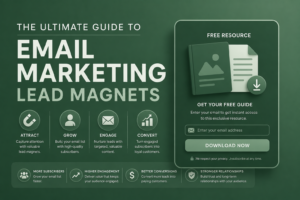
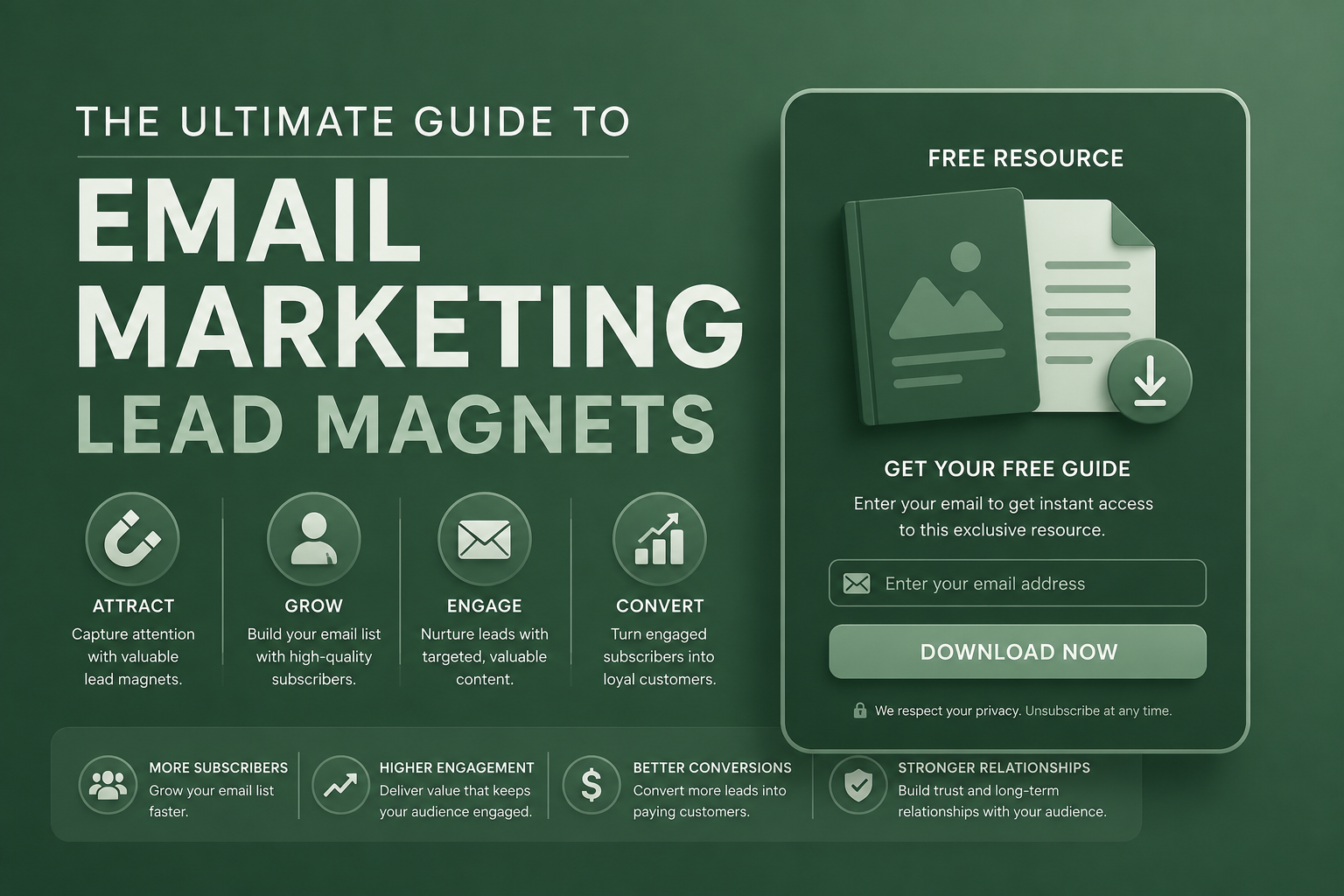
However, getting people to subscribe is often the biggest challenge. Most visitors do not share their email addresses without a clear reason. This is where lead magnets become powerful. A lead magnet gives users something valuable in exchange for their email address, helping businesses maximize the potential of email marketing.
Think of it like offering a useful free sample before asking someone to become a long-term customer. A good lead magnet attracts the right audience, grows an email list, and creates the foundation for future relationships and sales.
Table of Contents
- What Is an Email Marketing Lead Magnet?
- Why Businesses Use Lead Magnets for Email List Building
- Types of Lead Magnets: Examples and Ideas That Convert
- How to Create a High-Converting Lead Magnet
- Turning Lead Magnet Subscribers Into Customers
- Lead Magnet Best Practices, Mistakes, and Future Trends
- Conclusion
- Frequently Asked Questions
What Is an Email Marketing Lead Magnet?
An email marketing lead magnet is a valuable resource, offer, or incentive that businesses provide to users in exchange for their email address.
In simple words:
A lead magnet is something useful that encourages people to subscribe to your email list.
Instead of asking:
“Give us your email.”
a business offers:
“Get this free guide, checklist, template, or resource.”
Lead Magnet Example
Imagine a fitness website.
A visitor reads an article:
“How to Build a Beginner Workout Routine”
At the end, the website offers:
“Download our free 30-day workout plan.”
The visitor enters their email.
The business now has a subscriber who is interested in fitness.
The visitor receives value, and the business gets an opportunity to continue the relationship.
Lead Magnets in Email Marketing
Email marketing works best when businesses build relationships over time.
A lead magnet is often the first step in that relationship.
The journey looks like this:
Visitor Finds Content
↓
Sees Valuable Offer
↓
Provides Email Address
↓
Receives Lead Magnet
↓
Gets Helpful Emails
↓
Becomes Customer
Lead Magnet vs Regular Content
Regular content is usually available publicly.
Examples:
- Blog posts
- Videos
- Social media posts
A lead magnet is usually a more valuable resource exchanged for contact information.
Examples:
- Detailed guides
- Templates
- Checklists
- Courses
- Tools
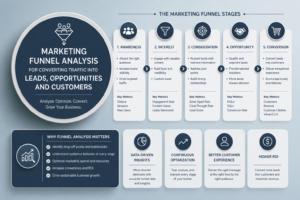
Role of Lead Magnets in Lead Generation Funnels
Lead magnets help businesses move people from awareness to relationship building.
A typical funnel:
Awareness
A person discovers your content.
↓
Interest
They find your lead magnet useful.
↓
Lead Generation
They subscribe.
↓
Nurturing
They receive emails.
↓
Conversion
They purchase a product or service.
Why Businesses Use Lead Magnets for Email List Building
Growing an email list is one of the biggest challenges in digital marketing.
People receive hundreds of marketing messages every day, so simply asking users to subscribe often does not work.
Lead magnets solve this by creating an exchange of value.
Why People Share Their Email Addresses
Users usually share emails when they believe they will receive something useful.
Examples:
- Save time
- Learn something
- Solve a problem
- Access exclusive information
- Receive a discount
A good lead magnet answers:
“Why should someone subscribe right now?”
Why Businesses Need Lead Magnets?
Businesses offer lead magnets such as eBooks, checklists, templates, free trials, webinars, and industry reports to potential customers in exchange for their contact information, such as an email address. This helps businesses build relationships through targeted marketing campaigns.
Creating Value Before Asking for a Sale
Successful businesses do not immediately push products.
They first provide value.
Example:
A software company may offer:
“Free SEO checklist”
before promoting its SEO tool.
The user experiences value first.
Attracting Qualified Leads
Not every subscriber is equally valuable.
A good lead magnet attracts people who are actually interested in your offer.
Example:
A marketing agency offering:
“Social Media Strategy Template”
will attract marketers and business owners.
A random giveaway may attract people who never become customers.
Growing Email Subscribers
Lead magnets help increase:
- Newsletter subscribers
- Potential customers
- Community members
- Returning visitors
The key is attracting the right people, not only increasing numbers.
Moving Visitors from Awareness to Consideration
Most people do not buy immediately.
Lead magnets create multiple opportunities to communicate.
A visitor may first download a guide, then read emails, then become a customer later.
Types of Lead Magnets: Examples and Ideas That Convert
Different audiences respond to different lead magnet formats.
The best format depends on:
- Audience needs
- Industry
- Buying journey
- Business goals
Ebooks and Guides
Ebooks are one of the most common lead magnets.
Examples:
- Beginner marketing guide
- Industry report
- Complete checklist
- How-to guide
They work well when users want detailed knowledge.
Checklists
Checklists are effective because they are simple and actionable.
Examples:
- SEO audit checklist
- Website launch checklist
- Business planning checklist
Users can immediately apply them.
Templates
Templates save people time.
Examples:
- Email templates
- Content calendars
- Business proposal templates
- Budget templates
Free Tools and Calculators
Interactive resources can generate strong engagement.
Examples:
- ROI calculator
- Pricing calculator
- Marketing scorecard
- Website audit tool
Webinars and Workshops
Webinars work well for businesses selling expertise.
Examples:
- Training sessions
- Product demonstrations
- Educational workshops
Quizzes and Assessments
Quizzes create engagement.
Examples:
- “Find your marketing maturity score”
- “Which software is right for your business?”
Free Trials and Demos
Software companies often use free trials as lead magnets.
They allow users to experience value before purchasing.
Case Studies
Case studies work well for B2B businesses.
They show:
- Real results
- Customer stories
- Practical examples
Discount Offers
Discounts are common for ecommerce businesses.
Examples:
- 10% off first purchase
- Free shipping offer
- Exclusive coupon
B2B Lead Magnet Examples
B2B businesses often use:
- Whitepapers
- Reports
- Templates
- Webinars
- Case studies
because buyers usually need more information before purchasing.
How to Create a High-Converting Lead Magnet
A successful lead magnet is not created by making a random free resource.
It should solve a specific problem for a specific audience.
Understand Your Audience
Start by asking:
- Who is my audience?
- What problems do they have?
- What information do they need?
Choose the Right Format
Different problems require different formats.
Example:
Need quick action?
Use a checklist.
Need education?
Use a guide.
Need personalization?
Use a quiz.
Solve a Specific Problem
Broad resources are usually weaker.
Example:
Weak:
“Complete Marketing Guide”
Better:
“30-Day Social Media Content Calendar for Small Businesses”
Create Valuable Content
A lead magnet should be genuinely useful.
If the resource disappoints users, trust decreases.
Build a Lead Magnet Landing Page
A landing page should clearly explain:
- What users receive
- Why it is valuable
- Who it is for
- What action to take
Creating Opt-In Forms
Forms should be simple.
Usually ask for:
- Name
- Email address
Too many fields can reduce conversions.
Promoting the Lead Magnet
Promote through:
- Blog content
- Social media
- Paid advertising
- Website popups
- Email campaigns
Turning Lead Magnet Subscribers into Customers
Getting subscribers is only the first step.
The next challenge is building a relationship.
Email Nurturing After Signup
After someone downloads a lead magnet, businesses can send:
- Welcome emails
- Educational content
- Product information
- Case studies
Welcome Email Sequences
A welcome sequence introduces the brand.
Example:
Email 1:
Deliver the resource.
Email 2:
Share helpful tips.
Email 3:
Introduce products or services.
Building Trust with Subscribers
Trust grows through:
- Consistent value
- Helpful information
- Relevant communication
Personalization and Segmentation
Different subscribers have different interests.
Segmentation allows businesses to send more relevant emails.
Moving Leads Through the Funnel
Lead magnets help users move from:
Subscriber → Interested prospect → Customer
The process requires patience.
Lead Magnet Best Practices, Mistakes, and Future Trends
Effective lead magnets should provide immediate value by solving a specific audience problem, addressing a clear need, and aligning with the business’s products or services to attract relevant subscribers.
Best Practices
Businesses should optimize lead magnets by using compelling offers, simple signup forms, strong calls-to-action, and follow-up email sequences to convert subscribers into potential customers.
Create Specific Offers
Specific resources usually perform better.
A narrow solution often attracts stronger leads.
Avoid Low-Value Lead Magnets
A weak lead magnet may:
- Increase subscribers
- Reduce trust
Quality matters more than quantity.
Test Different Lead Magnets
Businesses should test:
- Different formats
- Different headlines
- Different landing pages
AI and Lead Magnet Trends
AI is changing how businesses create lead magnets.
Future trends include:
- Personalized resources
- AI-powered recommendations
- Interactive tools
- Dynamic content experiences
Businesses will increasingly focus on creating customized value.
Conclusion
Email marketing lead magnets help businesses, bloggers, and creators turn website visitors into valuable subscribers. They provide a reason for people to join an email list while creating the foundation for long-term communication.
The best lead magnets are not simply free downloads. They solve real problems, attract the right audience, and create trust before asking for a purchase.
As competition for attention increases, businesses that provide personalized, useful, and experience-driven resources will have a stronger advantage in building email audiences and generating leads.
Frequently Asked Questions
What is a lead magnet in email marketing?
A lead magnet is a valuable resource or offer provided in exchange for someone’s email address.
How do lead magnets work?
Lead magnets attract users by offering value, collect email addresses through opt-in forms, and allow businesses to nurture subscribers through email campaigns.
What are the best lead magnet examples?
Popular examples include ebooks, checklists, templates, free tools, webinars, quizzes, case studies, and discount offers.
How do I create a lead magnet?
Create a lead magnet by understanding your audience, identifying a problem, choosing the right format, creating valuable content, and promoting it through relevant channels.
How can lead magnets grow an email list?
Lead magnets encourage visitors to subscribe by giving them a clear reason to share their contact information.
What is a lead magnet landing page?
A lead magnet landing page is a dedicated page designed to explain the offer and collect subscriber information.
Are free lead magnets effective?
Yes, when they provide real value and attract the right audience.
What is the best lead magnet for B2B businesses?
B2B businesses often perform well with guides, reports, webinars, templates, and case studies.
How do lead magnets generate leads?
They convert anonymous website visitors into known contacts who can later be nurtured through email marketing.
How do I turn lead magnet subscribers into customers?
Businesses can use welcome sequences, valuable emails, personalization, and relevant offers to build relationships and encourage conversions.