YouTube SEO is the process of improving a channel and its videos so that they are easier to discover through YouTube Search, Home recommendations, Suggested Videos and other discovery surfaces. It includes choosing useful topics, presenting videos with accurate titles and thumbnails, improving audience retention and using performance data to guide future production.
For example, a creator publishing a video about building a WordPress website must do more than add the phrase WordPress tutorial to the title. The video should match what beginners need, explain the process clearly, attract the right viewers and deliver on the promise made by its thumbnail.
YouTube SEO therefore combines relevance with viewer response. YouTube groups content-performance signals into three broad areas: appeal, engagement and satisfaction. In simple terms, these consider whether people choose to watch a video, continue watching and feel satisfied with the experience. Metadata remains important, but the video itself must satisfy the audience.
Table of Contents
What Is YouTube SEO?
YouTube SEO helps the platform understand a video and helps suitable viewers discover it. The process applies to both the overall channel and individual uploads.
YouTube is a search engine and a recommendation platform. YouTube videos, which appear in Google’s main search results and Videos tab and can be embedded in a webpage, extend the role of search engine optimization beyond text and static images.
Searchers may actively look for a tutorial, review or comparison, while other viewers discover videos through Home, Suggested Videos, Shorts or subscriptions. Therefore, creators should not optimize only for one keyword. They must also make the video appealing and useful to the audience it reaches.
A useful analogy is publishing a magazine. The headline communicates the subject, the cover attracts attention and the article must deliver enough value to keep the reader interested. On YouTube, the title and thumbnail perform the packaging role, while the video experience determines whether viewers continue watching.
YouTube SEO matters because a strong video can remain difficult to discover when its topic, presentation or channel context is unclear. Effective optimization can improve visibility, attract relevant viewers, build subscribers and support business goals such as inquiries, product discovery and brand authority.
How the YouTube Algorithm Works
YouTube does not use one universal formula for every surface. Search and recommendations serve different purposes, although both aim to connect viewers with videos they are likely to value.
YouTube Search
YouTube Search considers relevance, engagement and quality. Relevance can be inferred from elements such as the title, description, tags and video content, while engagement considers how viewers respond to results for a query. For quality, YouTube looks for signals that can help identify channels demonstrating expertise, authoritativeness and trustworthiness on a topic. The official guide on YouTube Search suggests that personal search and watch history may also affect results.
A video targeting how to create a website should therefore use clear wording and provide the promised tutorial. Keyword use cannot compensate for a misleading title or an incomplete explanation.
Home and Suggested Videos
Recommendations are personalized according to viewing patterns and predicted satisfaction. Home recommendations consider a viewer’s interests and history, while Suggested Videos are influenced partly by the video currently being watched.
The recommendation system considers signals such as watch and search history, subscriptions, likes, dislikes, viewer feedback and satisfaction surveys. Different YouTube features rely on these signals differently, which is why recommendations are personalized rather than determined by one universal formula.
In short, creators should not try to “hack the algorithm.” A better approach is to develop videos for a defined audience, package them accurately and study how viewers respond.
YouTube Channel and Video Optimization
Channel optimization helps viewers understand the broader purpose of the channel, while video optimization makes each upload easier to interpret and choose.
Optimize the Channel
Use a memorable channel name, recognizable profile image and banner that reflect the subject or brand. The About section should explain what the channel covers and who it serves. Playlists can organize related videos into clear learning paths or series.
A consistent topic does not mean every upload must be identical. However, viewers should understand why the videos belong on the same channel. A channel about digital marketing, for example, may cover SEO, paid advertising and analytics without suddenly shifting to unrelated personal-vlog content.
Optimize Titles and Thumbnails
The title should describe the video accurately and communicate a clear reason to watch. Place the main topic naturally where it can be understood quickly, but avoid repetitive keyword variations.
Thumbnails should remain clear at small sizes, use limited text and represent the actual content. Misleading packaging may generate clicks but weaken retention and satisfaction. It is better to use accurate video packaging and test meaningful alternatives instead of relying on exaggerated clickbait.
Write Useful Descriptions
YouTube descriptions, which contain up to 5,000 characters, explain a video’s subject to both viewers and the platform. They help people understand the content and discover it through YouTube Search. YouTube suggests writing a unique, keyword-relevant description for every video, and using the opening lines to summarize the video. Additional details may include chapters, related resources, disclosures and relevant links.
Tags can help with common misspellings, but otherwise play a minimal role in video discovery. YouTube considers the title, thumbnail and description more important pieces of metadata for helping viewers discover and choose videos.
Add Chapters, Captions and End Screens
Chapters help viewers navigate longer videos when each timestamp accurately represents a section. Captions improve accessibility and make spoken information available in text form, while end screens and cards can guide viewers toward closely related videos.
YouTube Keyword and Topic Research
Topic research should begin with the audience rather than a tool. Identify what viewers want to learn, compare, solve or experience and choose subjects that match the channel’s expertise.
A practical process includes:
- Start with a broad topic connected with the channel.
- Review YouTube Search predictions for useful search phrasing and topic ideas.
- Compare interest through Google Trends using YouTube Search.
- Examine leading videos for format, depth and audience expectations.
- Study comments, communities and support questions for unmet needs.
- Select an angle that contributes a clearer or more useful video.
For example, email marketing is broad. How to create an email welcome sequence gives the creator a clearer task and gives the viewer a defined outcome.
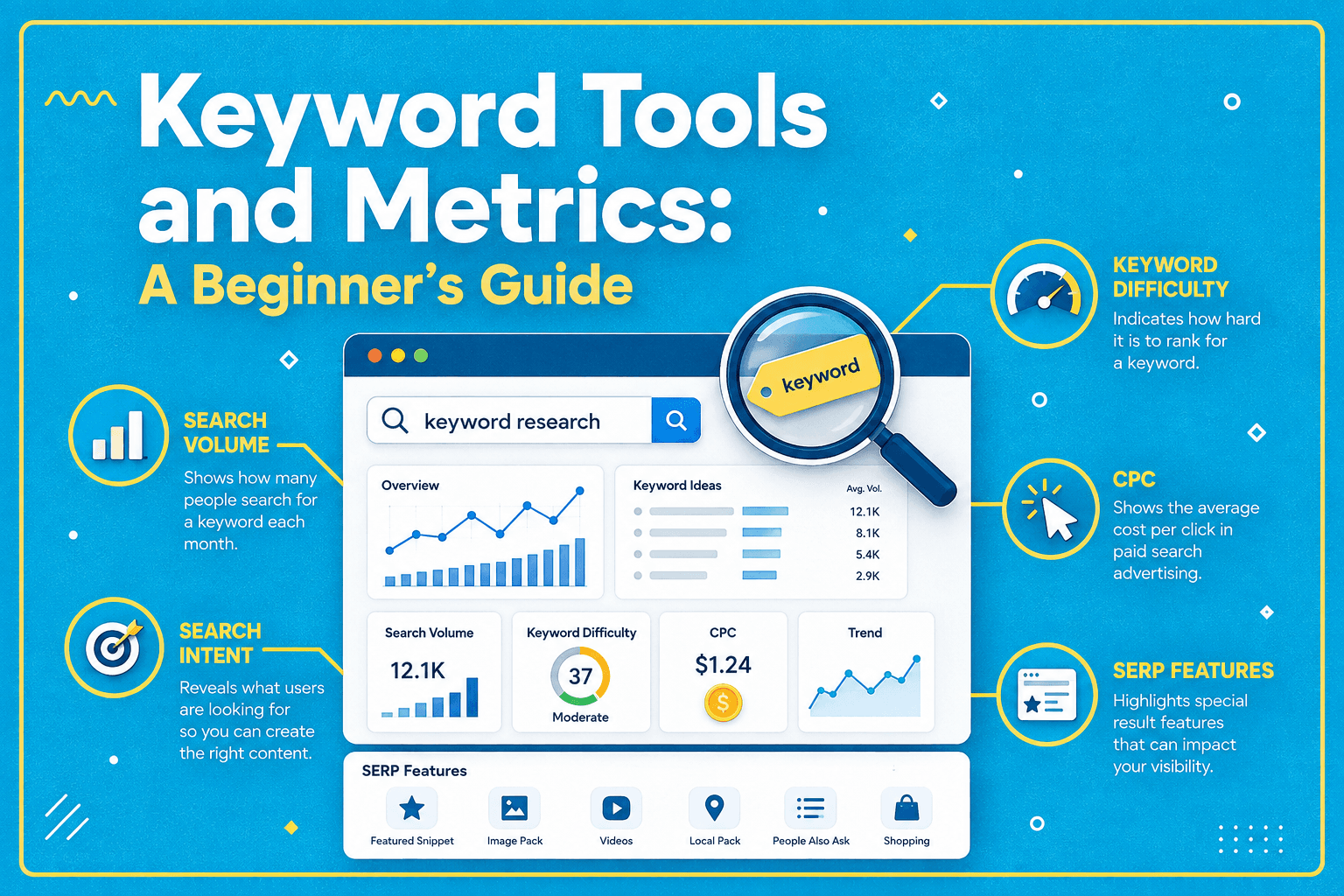
Keyword tools can estimate demand and reveal related ideas, but their numbers are not exact YouTube data. It is therefore important to combine tool suggestions with manual result analysis and channel analytics.
Content planning can also use clusters. A channel may publish a broad beginner guide and support it with videos on setup, common mistakes, tools and measurement. Playlists and end screens can then connect the series naturally.
Audience Retention and Engagement
A click creates an opportunity, but retention shows whether the video delivered enough value to keep the viewer interested.
Improve Audience Retention
The opening should confirm that the viewer selected the right video. Avoid extended introductions that delay the promised answer. State the outcome, establish the structure and begin delivering value quickly.
Retention can also improve through:
- Clear storytelling and logical sections.
- Visual changes that support the explanation.
- Examples, demonstrations and pattern variation.
- Removal of unnecessary repetition.
- A pace suitable for the intended audience.
- A conclusion that completes the promise.
Audience-retention reports show where viewers remain, rewatch or leave. A sharp early drop may indicate weak packaging-to-content alignment, while a drop during one section may reveal confusion or unnecessary length. YouTube’s audience retention report reveals where viewers lose interest, rewatch a section or remain engaged, making it especially useful for improving video openings, pacing, structure and future scripts.
Encourage Meaningful Engagement
Comments, likes, shares and subscriptions can indicate audience response, but they should not be treated as guaranteed ranking switches. Ask questions when a genuine discussion would help and respond to useful comments. In other words, engagement should grow from a satisfying video rather than artificial prompts.
YouTube Growth and Monetization Strategies
Channel growth usually comes from repeated improvement rather than a fixed upload formula. A sustainable schedule is one the creator can maintain without reducing quality.
Long-form videos, Shorts, live streams and community posts can serve different purposes. Shorts may introduce a creator to new viewers, while longer videos can provide depth and build watch time. Playlists, end screens and series help viewers continue with related content.
Promotion can also extend reach through email, websites, social platforms and relevant communities. However, distribution should lead people to a video that genuinely matches their interests.
Monetization should follow audience value rather than replace it. In eligible countries, the expanded partner program thresholds provide earlier access to selected fan-funding and Shopping features. It requires at least 500 subscribers, three public uploads in 90 days and either 3,000 valid public watch hours in the last 12 months or 3 million valid Shorts views in the last 90 days. Similarly, advertising revenue sharing requires 1,000 subscribers and either 4,000 valid public watch hours in the last 12 months or 10 million valid Shorts views in the last 90 days.
Meeting the subscriber and viewing thresholds only makes a channel eligible to apply; YouTube then reviews the channel as a whole for compliance with its monetization policies before approving entry into the Partner Program.
Creators may earn through advertising, memberships, fan funding, sponsorships, affiliate marketing, products and services. However, monetized content must remain original and authentic as mass-produced or repetitive content may not comply with YouTube’s monetization policies.
Strategies for YouTube Shorts
YouTube Shorts are ranked according to viewer personalization and performance, rather than receiving preference simply because they use a particular format. YouTube evaluates signals such as the percentage of viewers who choose to watch instead of swiping away, average view duration, average percentage viewed and likes.
Creators should therefore make the opening seconds immediately relevant, keep the pacing appropriate for short-form viewing and ensure that the video quickly delivers on its premise. YouTube also states that there is no minimum posting frequency required for Shorts to perform well, making sustainable quality more important than publishing at an arbitrary frequency.
YouTube SEO Checklist, Analytics, and Performance Tracking
It is important to review every upload before publication, and again after enough performance data becomes available.
YouTube SEO Checklist
A YouTube SEO checklist helps creators review the essential steps required to improve video discoverability and viewer engagement.
- Define the audience and purpose of the video.
- Choose a topic that matches genuine viewer demand.
- Review current results for audience expectations.
- Select one clear primary search topic.
- Write a title that accurately communicates value.
- Create a readable and relevant thumbnail.
- Make the first seconds confirm the video’s promise.
- Organize the video into a logical structure.
- Remove introductions and sections that add little value.
- Write useful opening lines in the description.
- Add chapters when they improve navigation.
- Include accurate captions or subtitles.
- Use tags only where they provide practical context.
- Add the video to relevant playlists.
- Link to related videos through cards or end screens.
- Include necessary disclosures and source links.
- Check audio, visuals and mobile readability.
- Publish according to a sustainable schedule.
- Promote the video to relevant audiences.
- Respond professionally to useful comments.
- Review impressions and click-through rate together.
- Examine watch time and audience retention.
- Compare traffic sources and viewer types.
- Test titles or thumbnails when improvement is needed.
- Apply the findings to the next video.
Analytics and Performance Tracking
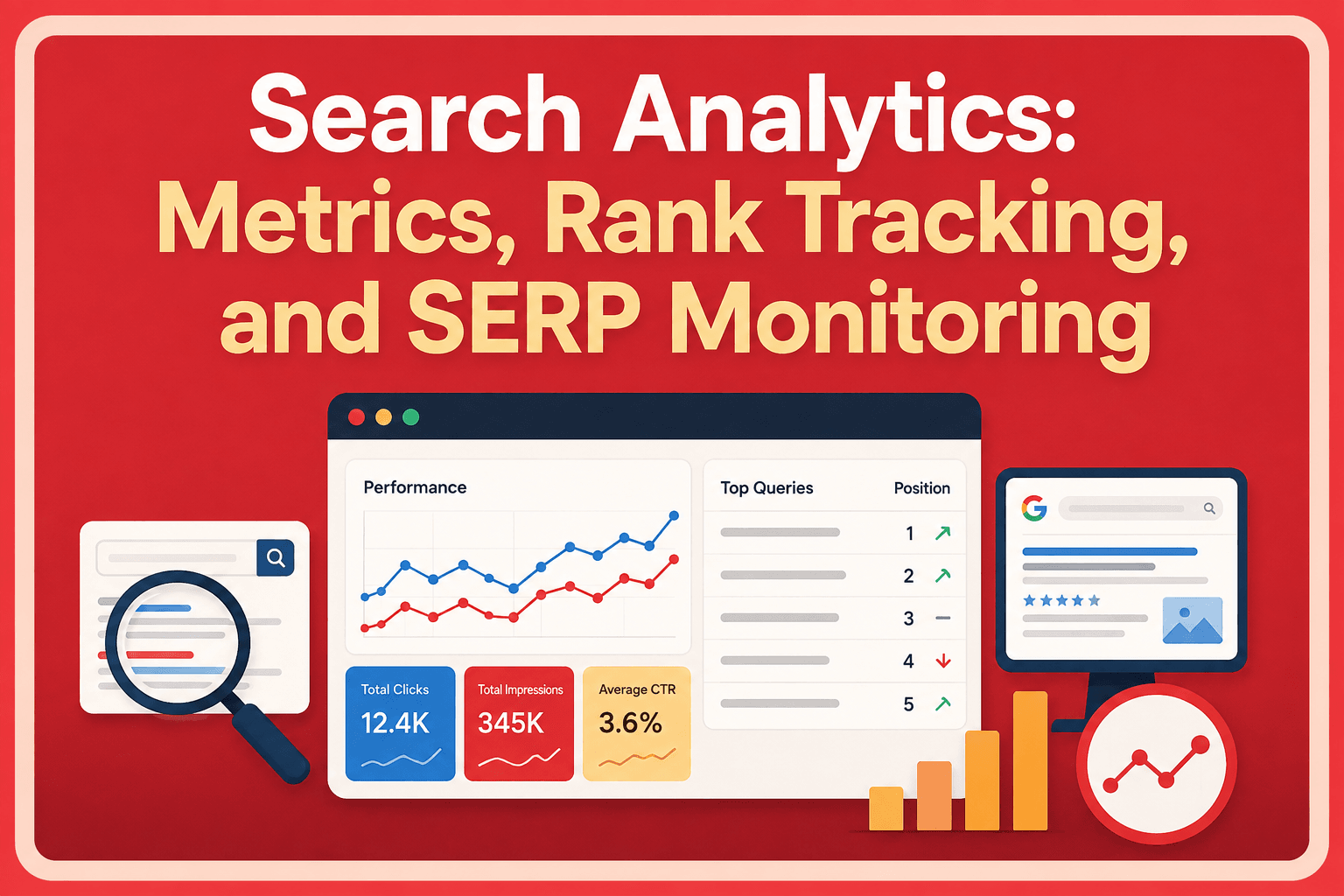
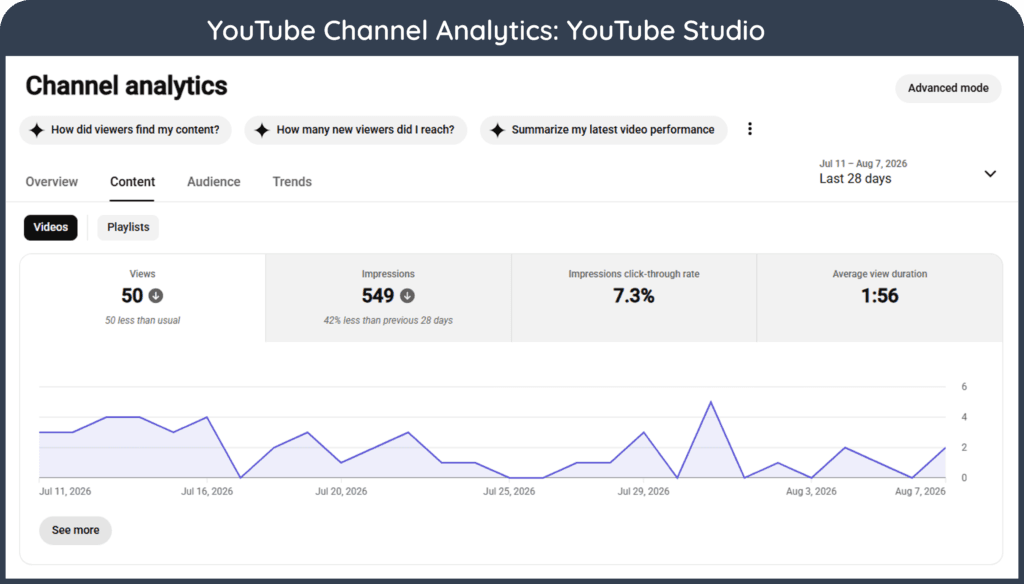
Analytics and performance tracking in YouTube Studio can help creators understand how viewers find, watch and respond to their videos.
| Metric | What it Helps Assess? |
|---|---|
| Impressions | How often eligible thumbnails were shown |
| Click-through rate | How often impressions led to views |
| Watch time | Total time viewers spent watching |
| Average view duration | Average time watched per view |
| Audience retention | Where viewers stayed or left |
| Traffic sources | How viewers discovered the video |
| Returning viewers | Whether an audience is coming back |
| Subscribers gained | Which videos support channel growth |
Impressions and CTR should not be interpreted separately because traffic source, audience familiarity and topic breadth affect both. YouTube Studio can also reveal whether discovery comes from Search, Browse, Suggested Videos, Shorts, external sources or channel pages. YouTube’s guide on CTR and impressions analytics recommends using context rather than applying one universal “good” CTR benchmark.
YouTube SEO Tools
YouTube SEO tools support keyword research, video optimization, competitor analysis, production and performance tracking. It is therefore better to select tools that fit a clear workflow rather than use too many overlapping platforms.
| Tool | Main Use |
|---|---|
| YouTube Studio | Video, channel and publishing management |
| YouTube Analytics | Reach, retention and audience measurement |
| vidIQ | Topic research and competitor analysis |
| TubeBuddy | Keyword research and video optimization |
| Viewstats | Video trends and channel comparisons |
| Social Blade | Subscriber and view tracking |
| Tubular Labs | Enterprise video and audience intelligence |
| Semrush Keyword Analytics for YouTube | YouTube keyword and demand research |
| Ahrefs YouTube Keyword Tool | Keyword ideas and demand estimates |
| KeywordTool.io | Autocomplete-based keyword suggestions |
| Google Trends for YouTube Search | Topic and seasonal-interest comparison |
| YouTube Search Autocomplete | Search phrasing and topic discovery |
| YouTube A/B Testing | Testing titles and thumbnails |
| Canva | Thumbnails and channel graphics |
| Adobe Premiere Pro | Professional video editing |
| DaVinci Resolve Studio | Editing, color and audio production |
| Final Cut Pro | Professional editing on Apple devices |
| CapCut | Accessible video and Shorts editing |
| Descript | Transcript-based editing and captions |
| Riverside | Remote video and podcast recording |
Tools can accelerate research and production, but they do not replace audience understanding or editorial judgment. It is better to use a small toolset consistently than collect platforms without a clear workflow.
Conclusion
YouTube SEO connects relevant videos with viewers through clear topics, accurate packaging, strong audience retention and continuous performance analysis. Titles, thumbnails and descriptions help people decide whether to watch, while the video must deliver enough value to sustain attention and satisfaction.
However, channel growth does not come from metadata alone. To sum up, creators should understand their audience, publish original videos, study real performance data and improve one production cycle at a time.
Frequently Asked Questions
What is YouTube SEO?
YouTube SEO is the process of optimizing a channel and its videos for discovery through Search, recommendations and other YouTube surfaces. It combines topic research, titles, thumbnails, descriptions, retention and performance analysis.
How does the YouTube algorithm work?
YouTube uses different systems for Search and recommendations. These systems evaluate relevance and viewer response while personalizing results according to factors such as viewing history, interests and predicted satisfaction.
How can a video rank in YouTube Search?
Choose a relevant topic, match the intent behind the search, use an accurate title and description and create a video that viewers find useful. Engagement and quality for the specific query also matter.
Do YouTube tags improve rankings?
Tags can help with misspellings and additional context, but they are not essential for discovery. Creators should prioritize the title, thumbnail, description and viewer experience.
What is a good YouTube click-through rate?
There is no universal ideal rate. CTR varies by traffic source, audience and topic. It should be assessed alongside impressions, watch time and retention rather than used as an isolated target.
How often should videos be uploaded?
Use a schedule that can be maintained without lowering content quality. Consistency helps planning and audience expectations, but publishing more frequently does not guarantee stronger reach.
How long does YouTube SEO take?
Results vary according to topic demand, competition, channel history, packaging and audience response. Some videos gain visibility quickly, while others develop through search or recommendations over a longer period.
Which YouTube SEO tools are best for beginners?
YouTube Studio, YouTube Analytics, Search Autocomplete and Google Trends provide a strong free starting point. vidIQ, TubeBuddy and dedicated keyword tools can add research and competitor information when needed.