
Digital marketing is the process of promoting products, services, brands, ideas, or businesses using digital channels such as search engines, websites, social media platforms, email, videos, affiliate marketing, mobile apps, and other internet-connected technologies.
Whether you want to grow a business, attract customers, build a personal brand, create a digital marketing strategy, earn income online, or explore digital marketing jobs, understanding digital marketing has become one of the most valuable skills of the modern economy.
At its core, digital marketing helps people find you online.
A business may offer an excellent product. A creator may produce useful content. A nonprofit may support an important cause. Yet none of them can succeed if people do not know they exist.
By solving the problem of online visibility, Digital marketing helps businesses reach potential customers, communicate their value, build trust, generate sales, and maintain long-term relationships with their audience.
Table of Contents
- What is Digital Marketing?
- How Digital Marketing Works?
- How Digital Marketing is Different from Traditional Marketing?
- Types of Digital Marketing
- Digital Marketing for Business Revenue, Side Income and Career Growth
- Important Platforms for Digital Marketing
- Digital Marketing in the Age of Artificial Intelligence
- FAQs
What is Digital Marketing?
Digital marketing is the practice of using digital technologies and online channels to connect with people, promote products and services, and achieve business goals. In simple words, digital marketing helps businesses and individuals reach the right people at the right time through digital platforms.
Think about how you spend a typical day.
- You search on Google.
- You watch videos on YouTube.
- You scroll through social media.
- You read emails.
- You shop online.
- You use apps on your phone.
Every time you do these things, you are interacting with environments where digital marketing takes place.
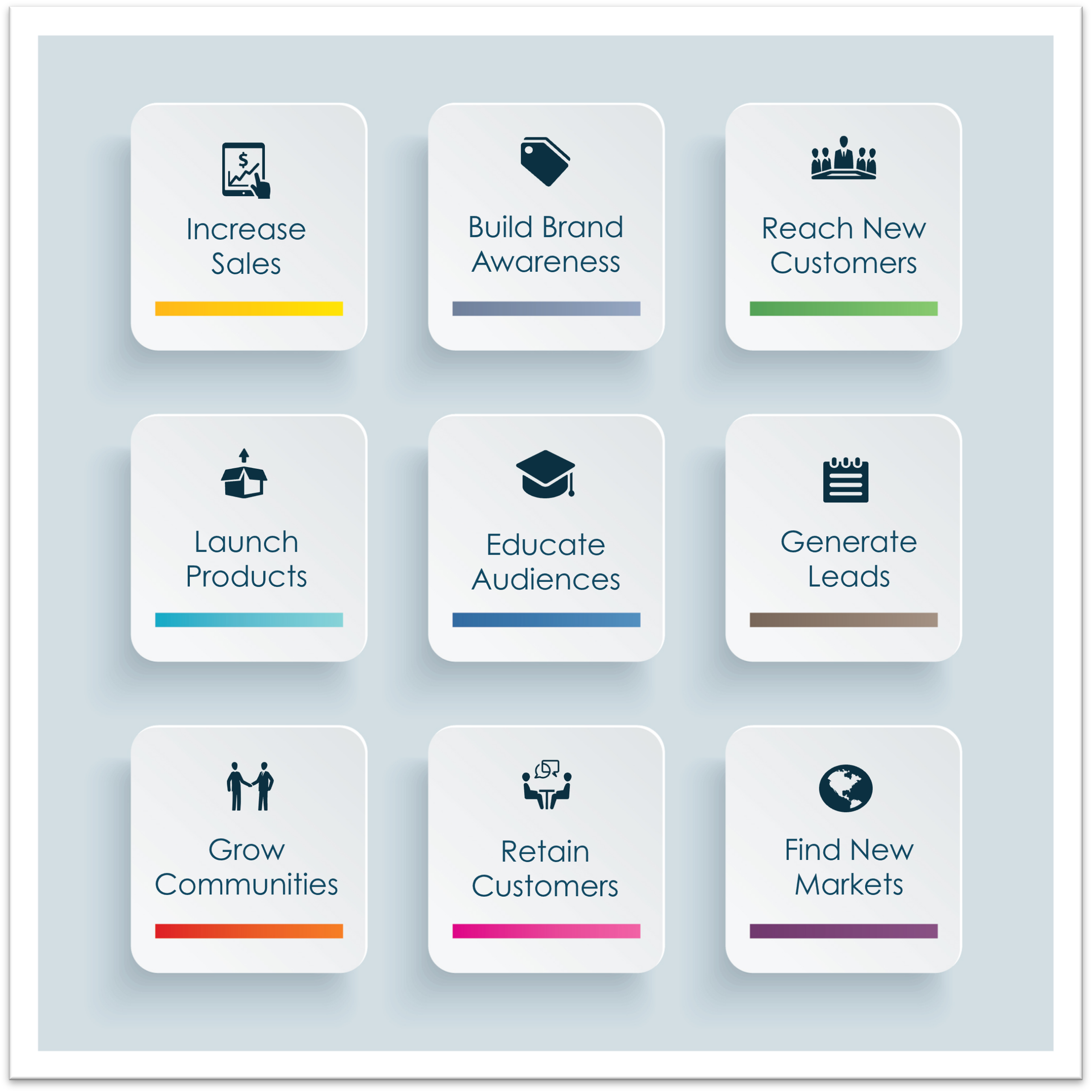
Businesses use digital marketing to:
- Increase sales
- Build brand awareness
- Reach new customers
- Launch products
- Educate audiences
- Generate leads
- Grow communities
- Retain customers
- Expand into new markets
Individuals use digital marketing to:
- Build personal brands
- Create content
- Earn online income
- Promote services
- Find freelance work
- Develop careers
- Launch businesses
Online Marketing vs Digital Marketing
It is common to use the terms “digital marketing” and “online marketing” interchangeably, but they are not exactly the same.
Online Marketing is a subset of Digital Marketing, as Digital Marketing also includes television, SMS, radio and marketing methods relying on digital devices like phone, tablets or computers. But Digital Marketing as we understand it refers broadly to online marketing channels that include organic SEO, paid advertising, content marketing, social media, newsletters, affiliate marketing, videos, podcasts and influencer marketing.
For most businesses today, when people talk about digital marketing, they are usually referring to internet-based marketing channels.
Why Digital Marketing Matters Today?
The world has changed dramatically over the past two decades. Customers no longer rely only on newspapers, television commercials, or physical stores to discover products and services. Today, most buying journeys begin online.
A customer might:
Search on Google → Watch a YouTube video → Read reviews → Visit a website → Compare options → Purchase -> Turn into a loyal customer
Even when the final purchase happens in a physical store, the research often happens online. This shift has transformed how businesses reach customers. Instead of waiting for people to discover them, businesses actively connect with audiences through search engines, social media, email, videos, and other digital channels.
Digital marketing has become important because attention has moved online. Where attention goes, marketing follows.
Digital Marketing in Numbers
The scale of digital marketing becomes easier to understand when viewed through real-world numbers.
- More than 5 billion people worldwide use the internet.
- Google processes approximately 10 billion searches every day.
- More than 4 billion people use Google Search.
- YouTube has over 2.7 billion monthly users.
- More than 1 billion hours of YouTube videos are watched every day.
- Digital advertising generates hundreds of billions of dollars in annual revenue globally.
- Online shopping generates trillions of dollars in sales each year.
- Billions of social media interactions occur daily across major platforms.
These numbers reveal a simple reality: People spend a significant portion of their time online.
Businesses go where people are. That is why digital marketing has become an essential part of business planning and online visibility in the modern world.
How Digital Marketing Works?
Digital marketing may appear complex because it involves many platforms and technologies. However, the basic idea is surprisingly simple:
Digital marketing works by helping people discover, evaluate, trust, and eventually purchase from a business.
The process often follows a journey: People become aware of a business. Then they learn more about it. After this, they begin to trust it and begin taking action, eventually becoming customers.
The Simple Digital Marketing Flow
Visibility -> Attention -> Interest -> Trust -> Action -> Customer -> Repeat Customer -> Advocate
Every digital marketing channel contributes to one or more stages of this journey. Some channels help people discover you. Some help educate them. Others help maintain long-term relationships.
Digital Marketing as a Highway System
Imagine the internet as a giant country connected by millions of highways. Every day, billions of people travel these highways looking for information, products, entertainment, services, and solutions. Some are searching for a restaurant. Some are looking for software. Some want a plumber. Others are researching a major purchase.
Businesses want these travelers to find them. Digital marketing helps businesses place signs, maps, recommendations, storefronts, and helpful guides along these highways.
Different digital marketing channels play different roles.
- Search Engine Optimization (SEO) acts like road signs that help travelers find destinations naturally.
- Paid advertising acts like billboards placed on busy highways.
- Social media acts like public gathering spaces where people meet and exchange information.
- Email acts like direct communication delivered to someone’s home.
- Influencer marketing acts like trusted local guides recommending places to visit.
- Content marketing acts like useful travel guides helping people navigate their journey.
The goal is not simply to attract visitors. The goal is to help the right people find the right solution at the right time.
A Simple Business Example
Imagine Sarah opens a small coffee shop. Her coffee is excellent. The atmosphere is welcoming. The prices are fair. Yet only a few customers visit each day.
Without digital marketing, Sarah depends mostly on people walking past the store. Now imagine Sarah begins using digital marketing. She creates a website and publishes content about coffee. She optimizes her business for local search through Local SEO with photos, reviews, videos and website link. Then she posts photos on social media and collects email subscribers. She encourages customers to leave reviews.
Suddenly more people discover her business. People searching for coffee nearby can find her. People viewing social media content learn about her products. Past customers receive updates and return. Reviews increase trust and sales begin to grow.
Nothing changed about the coffee. What changed was visibility. That is the power of digital marketing.
How Customers Move Through the Digital Marketing Funnel?
Most customers do not purchase immediately. Instead, they move through stages.
Stage 1: Awareness
The customer discovers a brand.
This might happen through:
- Google searches
- Social media posts
- YouTube videos
- Paid Ads
Stage 2: Interest
The customer wants to learn more.
They may:
- Visit a website
- Watch videos
- Read articles
- Follow social media accounts
Stage 3: Consideration
The customer compares options.
They evaluate:
- Features
- Benefits
- Pricing
- Reviews
- Reputation
Stage 4: Conversion
The customer takes action.
This may include:
- Purchasing a product
- Booking a consultation
- Subscribing to a newsletter
- Requesting a demo
- Filling out a contact form
Stage 5: Retention
The relationship continues after the first purchase.
Businesses use:
- Email marketing
- Customer support
- Educational content
- Loyalty programs
to encourage repeat business.
Why Digital Marketing Is Easier to Understand Than Most People Think
Many beginners assume digital marketing is highly technical. The truth is that most digital marketing concepts are built on common sense. It is not simply about running advertisements or posting on social media. It is primarily a systematic process that helps people discover, understand, trust, and choose a business.
Think about how people make decisions in everyday life. You discover something. Then you learn about it. After this, you decide whether you trust it. And then you take action.
Digital marketing simply helps businesses support that natural decision-making process. This is done by providing useful information, trusted recommendations and solutions to problems.
Understanding these principles is far more important than memorizing technical terminology.
The Three Foundations of Successful Digital Marketing
While digital marketing contains many channels and tactics, most successful strategies are built on three foundations.
Visibility: People must be able to find you. Without visibility, nothing else matters.
Value: Once people discover you, they must find something useful. This may be information, entertainment, reviews, products or services.
Trust: People buy from businesses they trust. Trust develops through consistency, credibility, transparency, reviews, expertise, and positive experiences.
When visibility, value, and trust work together, digital marketing becomes a powerful growth engine.
At its simplest level, digital marketing follows a straightforward path:
Business -> Visibility -> Audience -> Trust -> Customers -> Revenue
The channels may vary, but the goal remains the same: helping the right people find the right solution at the right time.
How Digital Marketing is Different from Traditional Marketing?
Marketing itself is not new.
Businesses have always needed ways to communicate with customers, build awareness, and generate sales. Long before the internet existed, companies used newspapers, magazines, radio, television, billboards, brochures, and direct mail to promote their products and services.
Digital marketing and traditional marketing share the same goal: reaching people and influencing purchasing decisions.
The difference lies in how they do it.
Traditional marketing generally broadcasts a message to a large audience and hopes it reaches interested people. Digital marketing allows businesses to reach specific audiences, personalize messages, measure results, go global and continuously improve campaigns based on real data. And thanks to modern computers, even highly complex data can be easily visualized through various tools and platforms for advanced analysis.
Traditional Marketing vs Digital Marketing
Imagine a company places a billboard on a busy highway. Thousands of people may see it every day.
However, the company does not know:
- Who saw the billboard?
- How many people were interested?
- How many visited the store because of it?
- Whether the campaign generated revenue?
Now imagine the same company runs an online advertising campaign. The company can see:
- How many people viewed the advertisement?
- How many clicked?
- How many visited the website?
- How many became customers?
- How much revenue was generated?
- How were they driven through the marketing pipeline?
This ability to measure and improve performance is one of the biggest reasons digital marketing has become so important.
Personalization
One of the greatest strengths of digital marketing is personalization. Different people have different needs, interests, budgets, and preferences. Instead of showing the same message to everyone, digital marketing allows businesses to tailor communication to specific audiences.
For example, an online clothing store may show different recommendation to:
- Men and women
- Different age groups
- Different locations
- Returning customers
- First-time visitors
The same goes for Netflix recommendations for shows and movies based on individual tastes and preferences. This makes marketing more relevant and often more effective.
Automation
Digital marketing also allows businesses to automate many activities.
- A newsletter can be delivered automatically.
- A welcome email can be sent when someone subscribes.
- A customer can receive product recommendations based on previous purchases.
- Streaming platforms can serve movies recommendations based on watch history.
- A business can schedule weeks of social media content in advance.
In short, automation helps businesses save time while maintaining consistent communication.
Data and Measurement
One of the most important advantages of digital marketing is access to data. Businesses can understand:
- How many people visited their website?
- Which pages were most popular?
- Where visitors came from?
- Which advertisements generated sales?
- Which content attracted the most attention?
This information helps businesses make better decisions. Instead of guessing, they can learn from actual customer behavior.
Important Digital Marketing Metrics Explained Simply
Many beginners become intimidated by marketing terminology. Fortunately, some of the most important metrics are very easy to understand. For example,
Website Traffic refers to the number of people visiting a website.
Click-Through Rate (CTR) measures how often people click after seeing a link or advertisement.
Cost Per Click (CPC) refers to the amount paid each time someone clicks an advertisement.
Conversion Rate measures how many visitors complete a desired action, such as making a purchase or filling out a form.
Revenue measures the money generated through marketing activities.
You do not need to memorize dozens of metrics when starting. Understanding a few important ones is enough to build a strong foundation.
Why Many Businesses Prefer Digital Marketing
Digital marketing offers several advantages over traditional methods.
- It can reach global audiences.
- It allows more precise targeting.
- It provides measurable results.
- It supports personalization.
- It can be scaled as businesses grow.
A local business with a strong digital marketing strategy can sometimes outperform larger competitors in its market.
Types of Digital Marketing
Digital marketing consists of multiple channels. Each channel helps businesses connect with customers in a different way.
Some channels focus on visibility.
Some focus on trust.
Some focus on direct sales.
Together, they form the pillars of modern digital marketing.
Search Engine Optimization (SEO)
Search Engine Optimization, commonly known as SEO, is the process of improving a website so that it appears higher in search engine results.
When people search for information, products, or services, they usually click one of the first few results they see. SEO helps businesses earn those positions naturally without paying for every visitor.
For example, if someone searches for “best running shoes,” search engines try to display the most relevant and useful pages. SEO helps websites become more visible for these searches.
Over time, SEO can become one of the most cost-effective ways to attract customers because visitors arrive through organic search results.
Generative Engine Optimization (GEO)
Artificial intelligence is changing how people search for information. Instead of only using traditional search engines, many people now ask questions directly to AI systems.
Generative Engine Optimization (GEO) focuses on making content easier for AI-powered search and answer systems to discover, understand, and reference.
As AI search becomes more common, GEO is becoming an important extension of traditional SEO. Businesses that create helpful, trustworthy, and well-structured content are often better positioned for this new environment.
Paid Search and Digital Advertising
Paid advertising allows businesses to pay for visibility. Instead of waiting for organic rankings, businesses can place advertisements in front of potential customers immediately. Common advertising platforms include:
- Google Ads
- YouTube Ads
- Social Media Ads
- Display Advertising Networks
Paid advertising is especially useful for product launches, lead generation, local businesses, seasonal campaigns and rapid growth initiatives.
While SEO often produces results over time, paid advertising can generate traffic immediately.
Social Media Marketing
Social media marketing involves using social platforms to build awareness, engage audiences, and promote products or services.
Billions of people use social media every day, making social platforms valuable environments for communication and community building. Businesses use social media to:
- Share updates
- Publish content
- Interact with customers
- Build communities
- Promote products
- Support customer service
The goal is often not immediate sales but long-term relationships and brand visibility.
Content Marketing
Content marketing focuses on creating useful, valuable, and relevant content that attracts and educates audiences. Instead of directly promoting products, content marketing helps people solve problems and answer questions.
Common content formats include:
- Blog articles
- Guides
- Research reports
- Case studies
- Videos
- Podcasts
- Infographics
Content marketing plays a central role in many digital marketing strategies because it supports almost every other channel. For example, one needs content for SEO, social media, Email marketing, and even advertising. Content is frequently described as the fuel that powers digital marketing.
Email Marketing
Email marketing remains one of the most effective digital marketing channels.
Many people assume email is outdated. In reality, email continues to be one of the few channels businesses truly control. This is because Email is a direct communication channel.
Businesses use email marketing to:
- Share updates
- Educate customers
- Promote products
- Deliver newsletters
- Build long-term relationships
A well-maintained email list can become one of a business’s most valuable assets.
E-Commerce Marketing
E-commerce marketing focuses on helping online stores attract visitors and generate sales. It is maily about attracting traffic, building trust, answering questions, reducing purchase hesitation, and encouraging repeat purchases.
E-commerce marketing often combines multiple channels including SEO, Paid advertising, social media and Influencer partnerships. Successful online stores rarely depend on a single marketing channel.
Affiliate Marketing
Affiliate marketing is a partnership-based marketing model.
Businesses reward individuals or organizations for referring customers. For example, a blogger may recommend a product and earn a commission when readers make purchases through a referral link.
Affiliate marketing benefits both sides. As businesses gain additional exposure while affiliates gain an opportunity to earn income. This model has become particularly popular among creators, bloggers, educators, and niche websites.
Influencer Marketing
Influencer marketing involves collaborating with individuals who have built trusted audiences. It is based on the idea that people often trust recommendations from creators they follow regularly.
Businesses partner with influencers to introduce products and services to relevant audiences. Influencer marketing can range from major celebrity partnerships to collaborations with smaller niche creators.
Video and Podcast Marketing
Video and audio content continue to grow in popularity. Many people prefer watching or listening rather than reading.
Videos can demonstrate products, explain concepts, tell stories, and build trust quickly. Podcasts allow businesses and creators to connect with audiences in a more personal and conversational format.
Video and podcast marketing are increasingly important because they help businesses communicate expertise while creating deeper audience engagement.
How These Channels Work Together
One of the biggest misconceptions about digital marketing is that different channels operate independently. In reality, they often work together.
A customer may first discover a business through social media. Later, he may search on Google or read a blog article. He may even subscribe to a newsletter. Eventually, he may click an email and make a purchase.
Digital marketing works best when channels support one another rather than operating in isolation.
That is why successful businesses typically develop a digital marketing plan that combines multiple channels into a unified strategy.
In short, digital marketing is not a single activity. It is a collection of interconnected channels that help businesses attract attention, build trust, generate leads, and increase revenue.
SEO helps people find you.
Content helps educate them.
Social media helps engage them.
Email helps maintain relationships.
Advertising helps accelerate growth.
Affiliate and influencer marketing help expand reach.
Together, these pillars form the foundation of modern digital marketing.
Digital Marketing for Business Revenue, Side Income and Career Growth
One of the reasons digital marketing has become so popular is that it creates opportunities for many different types of people. A business owner may use it to increase sales. A freelancer may use it to find clients. A content creator may use it to build an audience. A student may learn digital marketing to start a career. Although their goals may differ, the underlying principle remains the same: digital marketing helps people connect with opportunities online.
Digital marketing is not limited to large corporations with extensive budgets. In many cases, it allows small businesses and individuals to compete with much larger organizations.
A local bakery, an independent consultant, an online store, a software startup, and a global brand all use the same internet to reach potential customers. The difference often lies in strategy, consistency, and execution rather than company size.
How Digital Marketing Helps Businesses Increase Revenue?
Every business depends on customers. Without customers, there are no sales. Without sales, there is no revenue. Digital marketing helps businesses attract potential customers, educate them about products or services, and encourage them to take action.
Consider a company that sells home fitness equipment. Before digital marketing, the company might have relied on television commercials, newspaper advertisements, or physical retail stores. Today, the same company can publish educational content, rank on search engines, advertise on social media, build an email list, create YouTube videos, and partner with influencers. Each of these activities helps introduce the business to new audiences.
One of the greatest advantages of digital marketing is that it allows businesses to reach people who are already interested in a topic. Someone searching for “best treadmill for home use” is already demonstrating interest in fitness equipment. A business that appears at that moment has a much higher chance of generating a sale than one broadcasting a message to a random audience.
Building a Digital Marketing Strategy
Many beginners assume digital marketing begins with social media posts or advertisements. In reality, successful digital marketing usually begins with a strategy.
A digital marketing strategy is simply a plan for reaching business goals through digital channels. The strategy identifies the target audience, the channels that will be used, the content that will be created, and the actions that will be measured.
A business selling software may focus heavily on search engines and educational content. A fashion brand may invest more heavily in social media and influencer partnerships. A local service business may prioritize local SEO and customer reviews.
The specific tactics vary, but the goal remains the same: connecting the right audience with the right solution.
Why Small Businesses Benefit from Digital Marketing
Small businesses often face challenges that larger organizations do not. They may have limited budgets, smaller teams, and lower brand recognition. Digital marketing helps level the playing field.
A local business can appear in search results alongside national competitors. It can do so by ranking for certain keywords with low difficulty scores, or by targeting niche products. A small online store can attract customers through content and social media. A startup can build brand awareness without spending millions of dollars on traditional advertising.
Because digital marketing allows businesses to start small and scale gradually, it has become one of the most accessible growth tools available to entrepreneurs.

Digital Marketing and Side Income Opportunities
Digital marketing is not only valuable for businesses. It also creates opportunities for individuals to earn income online.
Many people first encounter digital marketing while searching for ways to start a side project, build an audience, or generate additional income. The internet has created countless opportunities for people to share knowledge, promote products, and build communities around topics they care about.
A person interested in fitness can start a blog, YouTube channel, or newsletter. Someone passionate about technology can create educational content. A professional with expertise in finance, design, marketing, or software can share knowledge and build an audience.
Over time, these audiences can create opportunities through advertising, sponsorships, consulting, digital products, affiliate marketing, memberships, and online courses.
It is important to understand that digital marketing is not a shortcut to instant wealth. Most successful creators and entrepreneurs spend months or years building trust, creating valuable content, and learning how audiences behave online.
However, digital marketing provides a framework that allows individuals to turn expertise, creativity, and knowledge into economic opportunities.
Affiliate Marketing as a Side Income Opportunity
Affiliate marketing has become one of the most popular online income models.
In affiliate marketing, individuals recommend products or services and earn commissions when purchases occur through referral links. Many bloggers, YouTubers, newsletter publishers, and website owners use affiliate marketing as part of their business model.
The most successful affiliates focus on helping audiences make informed decisions rather than aggressively promoting products. This is why trust is often the most valuable asset in affiliate marketing.
Freelancing and Agency Services
Digital marketing skills can also be offered as services. Businesses often need help with SEO, content creation, advertising, email marketing, social media management, analytics, and website optimization. Freelancers and agencies provide these services in exchange for fees.
Many digital marketing careers begin with small freelance projects. Over time, experience, results, and referrals can lead to larger clients and more specialized opportunities.
Digital Marketing Jobs and Career Growth
The growth of digital channels has created strong demand for professionals with digital marketing skills.
Businesses need people who can attract visitors, create content, manage campaigns, analyze performance, improve visibility, and communicate effectively with audiences. As a result, digital marketing has become one of the most accessible modern career paths.
Unlike some professions that require highly specialized degrees, digital marketing often rewards practical skills, experience, and demonstrated results. Many successful marketers began by building personal projects, managing small websites, creating content, or helping local businesses.
Common Digital Marketing Career Paths
Digital marketing includes many specialized roles. Some professionals focus on search engines and SEO. Others specialize in paid advertising, content creation, social media management, email marketing, analytics, video production, influencer marketing, or marketing strategy.
Common career paths include:
- SEO Specialist
- Content Marketer
- Social Media Manager
- Email Marketing Specialist
- Paid Advertising Specialist
- Marketing Analyst
- Content Writer
- Digital Marketing Manager
- Growth Marketer
- Marketing Consultant
As businesses continue investing in online channels, demand for these skills is expected to remain strong.
Is Digital Marketing Difficult to Learn?
One of the most common questions beginners ask is whether digital marketing is difficult. The answer is usually no.
Digital marketing can appear overwhelming because it includes many channels, platforms, and tools. However, the underlying principles are relatively straightforward.
People search for information.
Businesses create helpful content.
Trust develops over time.
Customers make decisions.
Most digital marketing concepts build upon these simple ideas. The challenge is not understanding the concepts. It is applying them consistently and learning from experience.
How to Start Learning Digital Marketing
The best way to learn digital marketing is through a combination of education and practice.
Reading articles and watching videos can help build foundational knowledge. However, practical experience is equally important. Therefore, many beginners learn by creating a blog, building a website, starting a newsletter, launching a YouTube channel, or helping a local business improve its online presence.
How Digital Marketing Is Done?
Although digital marketing includes many channels and techniques, most successful campaigns follow the same basic process.
At the same time, it is important to note that digital marketing is not a one-time activity. Successful businesses continuously test new ideas, improve content, optimize campaigns, and adapt to changing customer behavior. Over time, these small improvements can produce significant business growth.
So whether you are a small business owner, a freelancer, a content creator, or a large company, digital marketing usually works through the following steps:
1. Define Your Goal
Every campaign starts with a goal. The goal can be defined by asking a simple question:
“Do I want more website visitors, leads, sales, newsletter subscribers, YouTube views, or just brand awareness?”
A clear goal helps determine everything that follows.
2. Understand Your Audience
The next step is understanding who you want to reach.
What are the pain point and problem areas?
What questions people are they asking online?
What social media platforms do they use?
What kind of content do they consume?
The better you understand your audience, the easier it becomes to create marketing that resonates with them.
3. Choose the Right Digital Channels
Not every audience spends time in the same place.
A local restaurant may benefit from Google Maps and Instagram. A software company may focus on Google Search and LinkedIn. A creator may focus heavily on YouTube. A local travel expert on blogs.
Successful marketers focus on the channels where their audience already spends time.
4. Create Valuable Content
Content is the fuel that powers digital marketing.
This could be blogs, articles, videos, social media posts, podcasts, newsletters, guides, case studies, webinars, or product pages.
The goal is simple: help, educate, entertain, or solve a problem for your audience.
5. Make It Easy to Discover
Even great content is useless if nobody finds it.
This is where SEO, social media marketing, paid advertising, email marketing, influencer marketing, and content distribution come into play. These channels help bring people to your content, products, or services.
6. Convert Visitors into Customers
Once people discover your business, you need to guide them toward a desired action. For example, inviting them to visit your website in your social media post.
Other actions include making a purchase, booking a meeting, downloading a guide, subscribing to a newsletter, or requesting a quote.
This process is known as conversion.
7. Measure Results
One of the biggest advantages of digital marketing is measurability.
Marketers can track website traffic, clicks, leads, sales, engagement, and many other metrics to understand what is working and what is not.
Goal -> Audience -> Channels -> Content -> Visibility -> Conversions -> Measurement -> Improvement
Important Tools and Platforms for Digital Marketing
Digital marketers rely on a wide range of tools and platforms to share content, build connections, research audiences, discover content ideas, analyze performance, manage campaigns, and improve results. While hundreds of tools exist, a few major platforms dominate the industry.
For keyword research and content planning, marketers commonly use Google Search, Google Trends, and Google’s autocomplete suggestions to broadly understand what people are searching for. Features such as People Also Ask and related searches can reveal common questions and content opportunities. Professional marketers often supplement this research with tools like Semrush and Ahrefs.
Website performance is typically measured using Google Analytics, which helps businesses understand where visitors come from, what pages they view, and how many visitors become leads or customers.
Google Search Console is another essential platform for monitoring website visibility in search results and identifying SEO opportunities.
Search analytics platforms help businesses understand visitor behavior, traffic sources, conversions, engagement levels, and campaign performance. These insights allow marketers to improve strategies and allocate resources more effectively.
For content quality, many marketers use plagiarism-checking tools such as Copyscape and Grammarly to ensure content is original and well written.
Social media marketing is usually conducted through platforms such as LinkedIn, Facebook, Instagram, X, and YouTube. Businesses running paid campaigns often use LinkedIn Ads, Meta Ads Manager for Facebook and Instagram advertising, and Google Ads to reach specific audiences.
Video marketers frequently use YouTube Search Autocomplete for topic research and YouTube Studio to track views, watch time, audience behavior, and channel growth.
The specific tools may change over time, but the purpose remains the same: understanding audiences, creating better content, measuring results, and improving marketing performance.
Marketing decisions become more effective when supported by data.
Digital Marketing in the Age of Artificial Intelligence
Artificial intelligence is transforming digital marketing in significant ways. AI systems can analyze data, generate content, assist with research, automate repetitive tasks, improve personalization, and help marketers understand audience behavior more efficiently. For example, many AI models trained using machine learning can help with product recommendations based on search activity. They can also help with offering special discount deals to high-quality leads.
However, AI is not replacing the need for human creativity, strategy, and judgment. Marketing ultimately involves understanding people. It requires empathy, communication, storytelling, and trust. These human qualities remain essential even as technology evolves.
How AI Is Changing Digital Marketing
AI is influencing many areas of digital marketing.
Content creation tools can help generate ideas and draft content.
Advertising platforms can optimize campaigns automatically.
Analytics tools can identify trends and opportunities.
Customer service systems can respond to common questions.
Search experiences are also changing as AI-powered answer engines become more common.
These developments are creating new opportunities while also changing how marketers think about visibility and content creation.
Moreover, more people are searching using voice assistants and smart devices instead of typing into a search box. Whether someone asks a question through a smartphone, smart speaker, or in-car assistant, they often use natural, conversational language. As voice search continues to grow, businesses will need to create content that answers real questions clearly and directly so it can be discovered through voice-based searches.
The Rise of GEO
Generative Engine Optimization, or GEO, has emerged as a response to AI-powered search experiences. Traditional SEO focuses on helping websites appear in search results. While GEO focuses on helping content become discoverable and understandable to AI systems that generate answers directly for users.
Although GEO is still evolving, the underlying principle remains familiar: create accurate, trustworthy, helpful content that genuinely serves user needs.
Human Skills Remain Important
Technology changes quickly. But human behavior changes very slowly.
People still value expertise, authenticity, useful information, and trustworthy recommendations.
The marketers who combine technology with strong communication skills will often be best positioned for long-term success. Rather than viewing AI as a threat, many businesses and professionals are learning to use it as a tool that enhances productivity and supports better decision-making.
Conclusion
Digital marketing is no longer a specialized skill used only by large companies. It has become one of the most important ways businesses reach customers, build trust, generate revenue, and grow their brands.
Whether you are a student exploring career opportunities, a professional looking to upgrade your skills, a freelancer seeking clients, or a business owner trying to increase sales, digital marketing provides opportunities that were difficult or impossible to access just a few decades ago.
The core principles remain surprisingly simple. Businesses need visibility so people can discover them. They need valuable content and offers that solve real problems. And they need trust so that visitors become customers and customers become long-term supporters.
The tools will continue to evolve. Search engines are becoming more intelligent, social media platforms are constantly changing, and artificial intelligence is transforming how content is created and discovered. Yet the fundamental goal remains the same: connecting the right message with the right audience at the right time.
Learning digital marketing is therefore not simply about mastering platforms or algorithms. It is about understanding how people search for information, make decisions, and build relationships with brands in an increasingly digital world.
If you understand those principles, you will be able to adapt to new technologies, new platforms, and new opportunities for years to come.
FAQs
What is digital marketing in simple words?
Digital marketing is the process of promoting products, services, brands, or ideas using digital channels such as search engines, websites, social media platforms, email, videos, and mobile applications.
Is digital marketing a good career?
Yes. Digital marketing offers a wide range of career opportunities across industries. Businesses increasingly rely on digital channels, creating demand for professionals with marketing, content, analytics, advertising, and communication skills.
How long does it take to learn digital marketing?
Most people can learn the fundamentals within a few months. Becoming highly skilled typically requires practical experience, continuous learning, and consistent application over time.
Does digital marketing require coding?
No. Most digital marketing roles do not require coding knowledge. However, understanding basic website concepts can be helpful in certain areas such as SEO and analytics.
Can small businesses benefit from digital marketing?
Absolutely. Digital marketing allows small businesses to reach targeted audiences, compete with larger organizations, build brand awareness, and generate leads without requiring massive advertising budgets.
What is the difference between SEO and digital marketing?
SEO is one part of digital marketing. Digital marketing includes many channels such as SEO, content marketing, social media marketing, email marketing, paid advertising, influencer marketing, affiliate marketing, and more.
Can I earn money online using digital marketing?
Yes. Businesses, freelancers, creators, consultants, affiliates, and agencies all use digital marketing to generate income. Success usually depends on skills, consistency, audience building, and delivering value.
Is AI replacing digital marketers?
AI is changing how marketers work, but it is not eliminating the need for marketers. Human creativity, strategic thinking, communication, and audience understanding remain essential components of successful marketing.